Use Small and Slow Solutions
At BuenaVida
Explore this principleWe are building in stages, beginning with the home and everyday essentials.
Santa Elena · Costa Rica
What we noticed, what we tried, and what happened next. Follow a demo garden cycle, explore the records behind it, then start a journal for your own land.
Property archive · The early landscape
01 / Garden journal · 20 July–31 August 2026
Eighteen lettuce starts in Bed 01. Six weeks to follow what happened. This example shows how a planting, a field note, a task, and a harvest can become one useful story.
Leaves drooped in the afternoon. The bed surface felt dry. The note was specific to Bed 01; it did not turn one observation into a conclusion about the whole garden.
A field note linked to the bed and planting, plus an illustrative manual soil-moisture reading of 18%. A task captured the next action and a date for coming back.
Ana added mulch and moved watering earlier. Luis took the follow-up task for 4 August. The care task was marked done; the follow-up stayed open.
The follow-up noted less afternoon wilt and a sample reading of 24%. At harvest, 4.2 kg came in against a 5.4 kg plan. The next trial will compare afternoon shade.
Try an afternoon-shaded bed alongside this one, keep the planting quantity comparable, and record both harvests. Keep the original result so the next decision has something to build on.
The main house is under construction.
Shared spaces, dependable systems, and productive gardens.
A volunteer village, wellness stays, and a growing platform.
Same garden. More of the picture.
Follow water, equipment, crew, and costs through the same demo season.
Water / Manual readings
In the demo, Bed 01 shows afternoon wilt on 27 July. A manual moisture reading is 18%.
Land area: Bed 01. Dated soil-moisture readings: 18% on 27 July and 24% on 4 August. A field note keeps the conditions beside each number.
Add mulch, move watering earlier, and schedule a return visit for 4 August.
The follow-up records less wilt and a higher reading. Next, compare the same bed through another growing cycle.
Take readings at a consistent time and depth, note the weather, and compare the next cycle before changing the wider watering plan.
Belongings / Purchase to upkeep
In this demo, the transfer pump needs attention before the next garden watering round.
A pump belonging links its location, a care task, and a repair cost. The cost starts as a $60 plan; the payment is recorded separately as $50.
Arrange the repair, record the $50 payment on 29 July, and mark the repair task complete.
The demo pump returns to Ready. The payment is $10 below the repair plan, and a maintenance date remains visible.
Review its condition on 29 August and keep the service note with the item. The next person can see what was done.
Crew / Shared work
The demo bed needs mulch and a follow-up. Saying “someone should check it” leaves the work without an owner.
Ana and Luis share the farm workspace. Ana takes the mulch task; Luis takes the follow-up, both linked to Bed 01.
Ana completes the care task on 28 July. Luis returns on 4 August and adds a dated observation.
The action and the follow-up are both accounted for. The journal shows what changed after the work, not just a checked box.
Use the harvest review to agree who will prepare and observe the next trial bed.
Costs / July 2026
The demo garden has a $120 July budget. Seedlings, compost, mulch, and a pump repair all need a place in the plan.
Planned: seedlings $18, compost $24, mulch $18, repair $60. Paid: $18, $24, $16, and $50. Amounts in USD.
Record each payment against its cost plan, so a paid bill does not remain outstanding as another forecast cost.
The demo records $108 paid against $120 planned: $12 under budget. The remaining $12 stays available for the next job.
Review the next month’s recurring costs separately. Keep the budget, planned spending, and actual payments visible together.
Chapter 00 / Getting to know the land
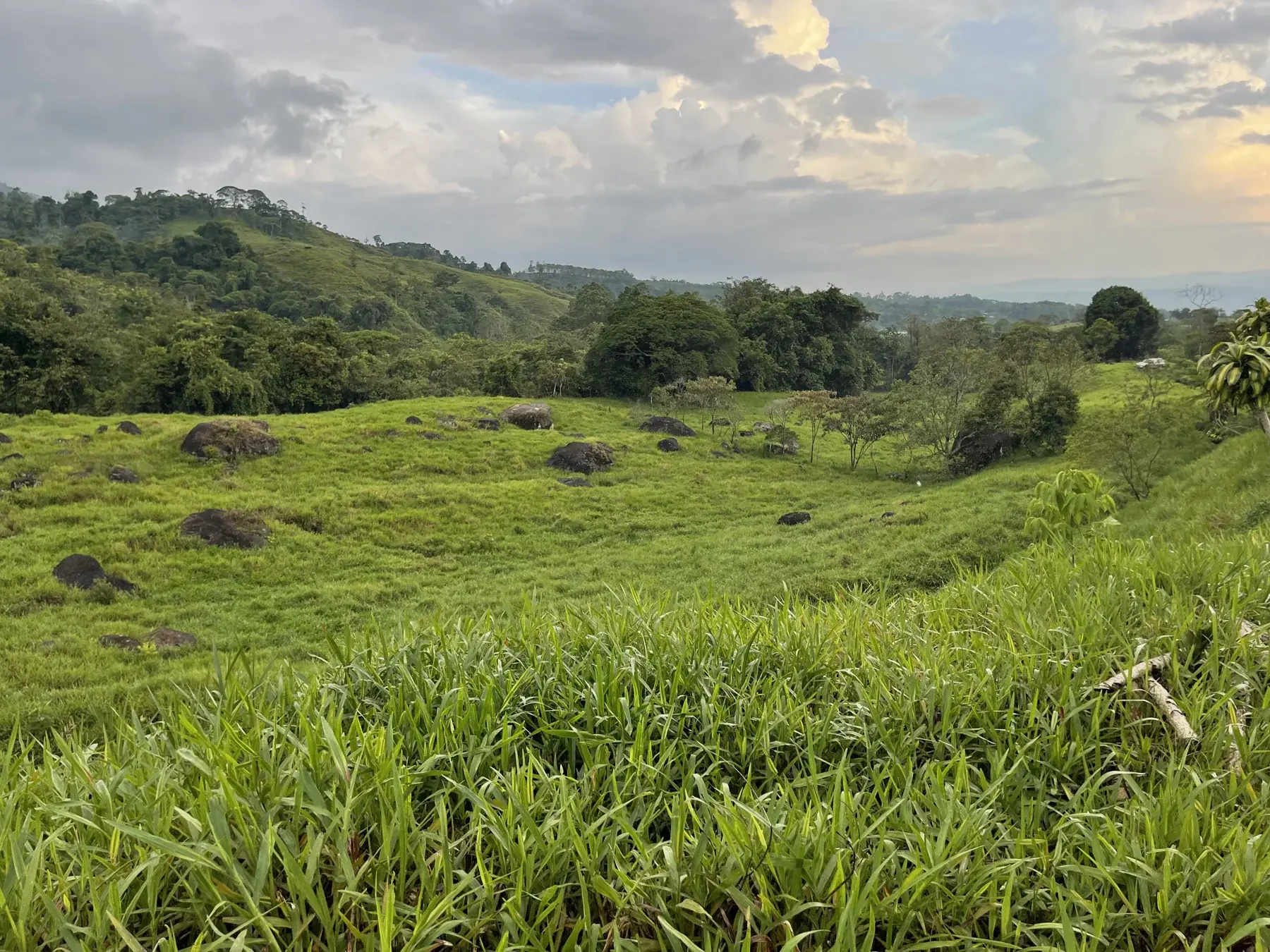
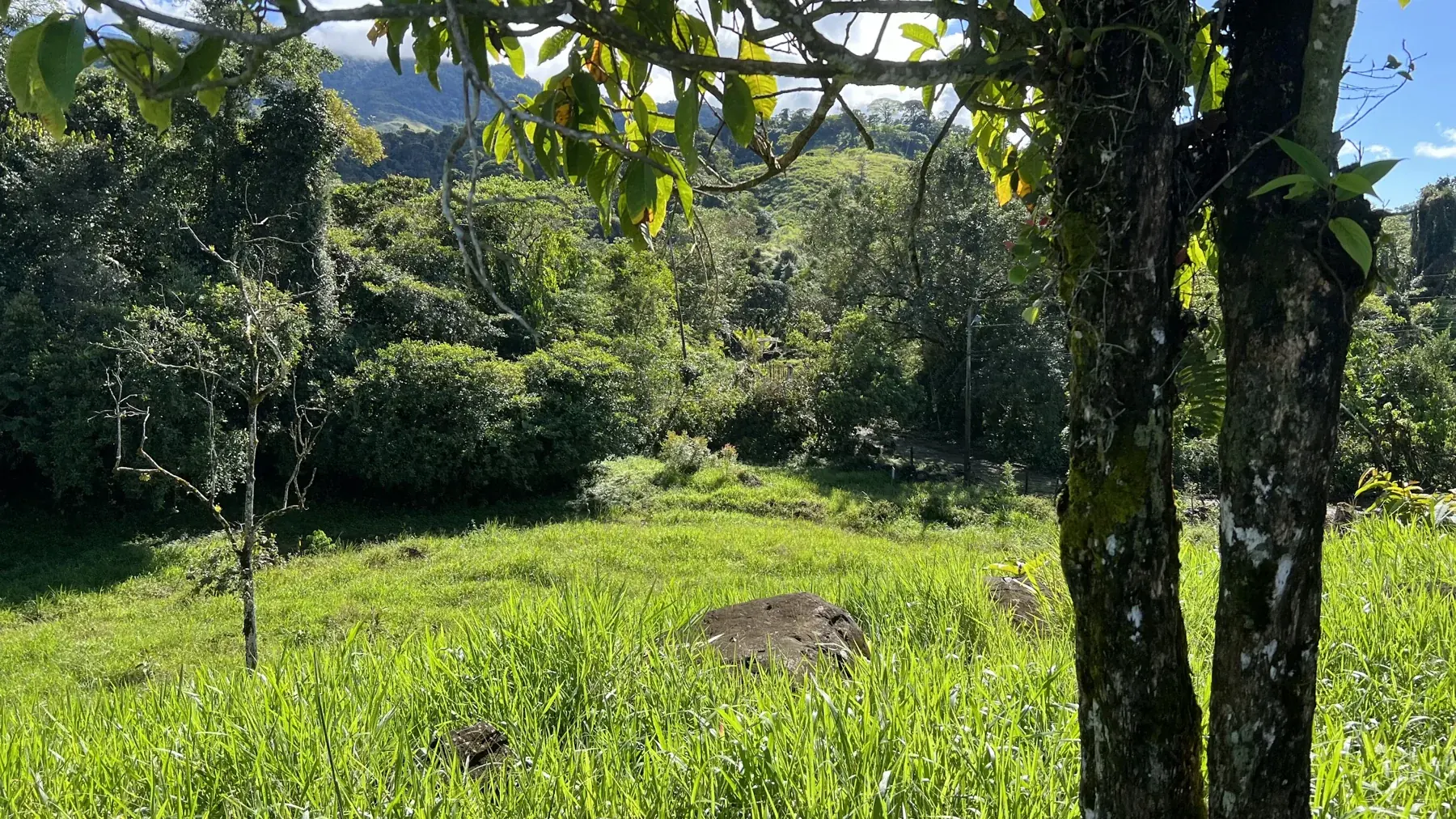
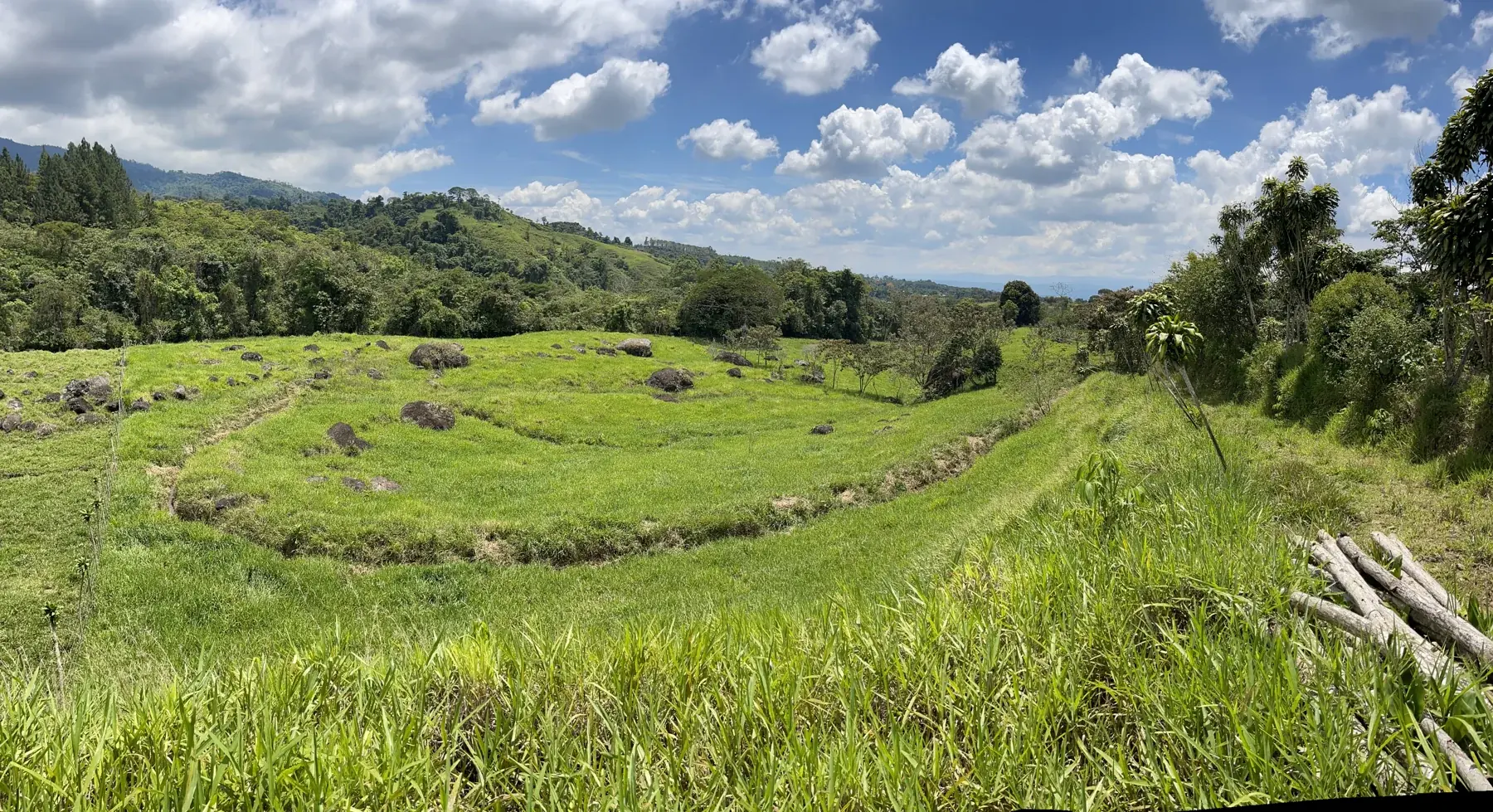
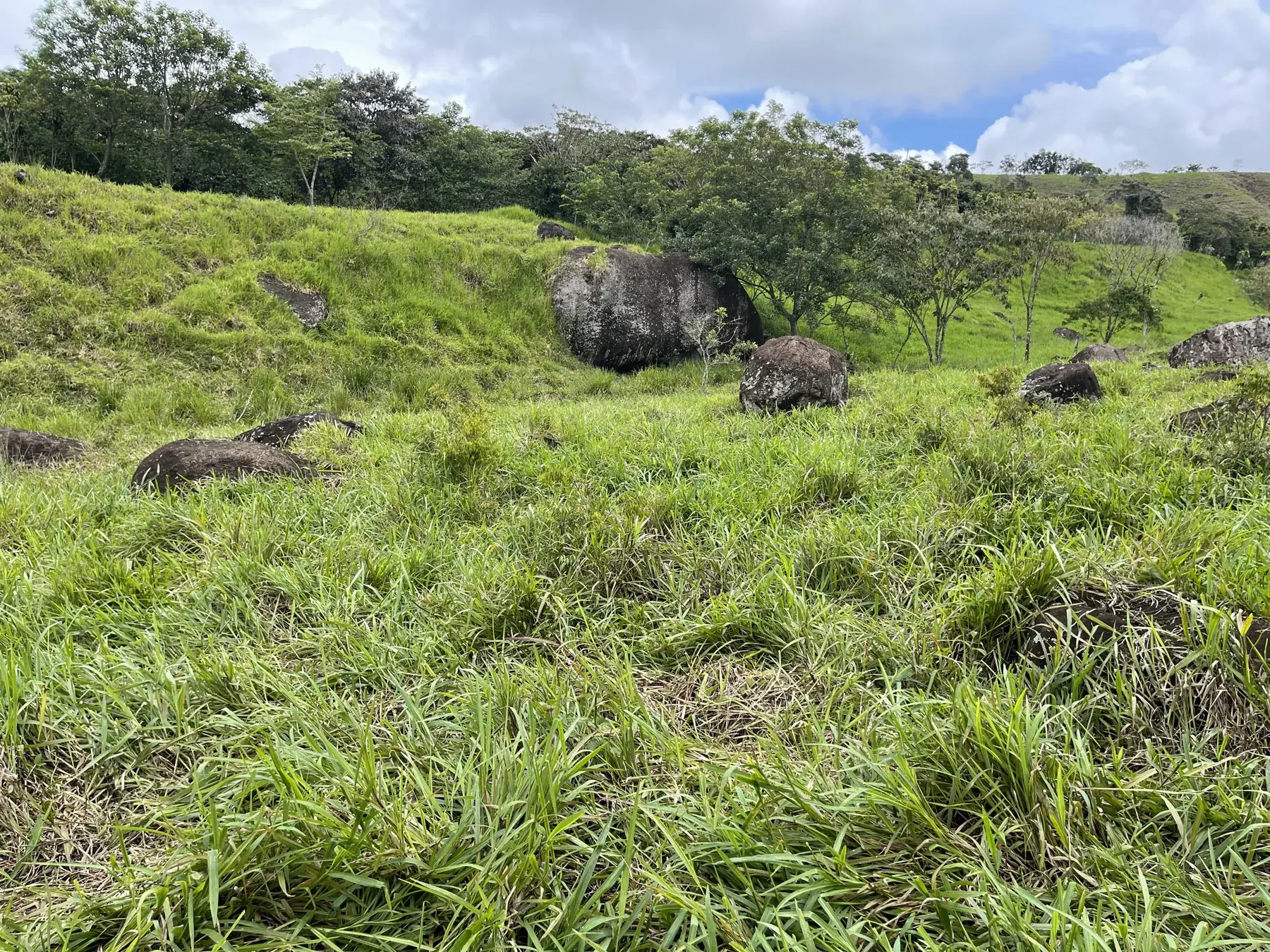
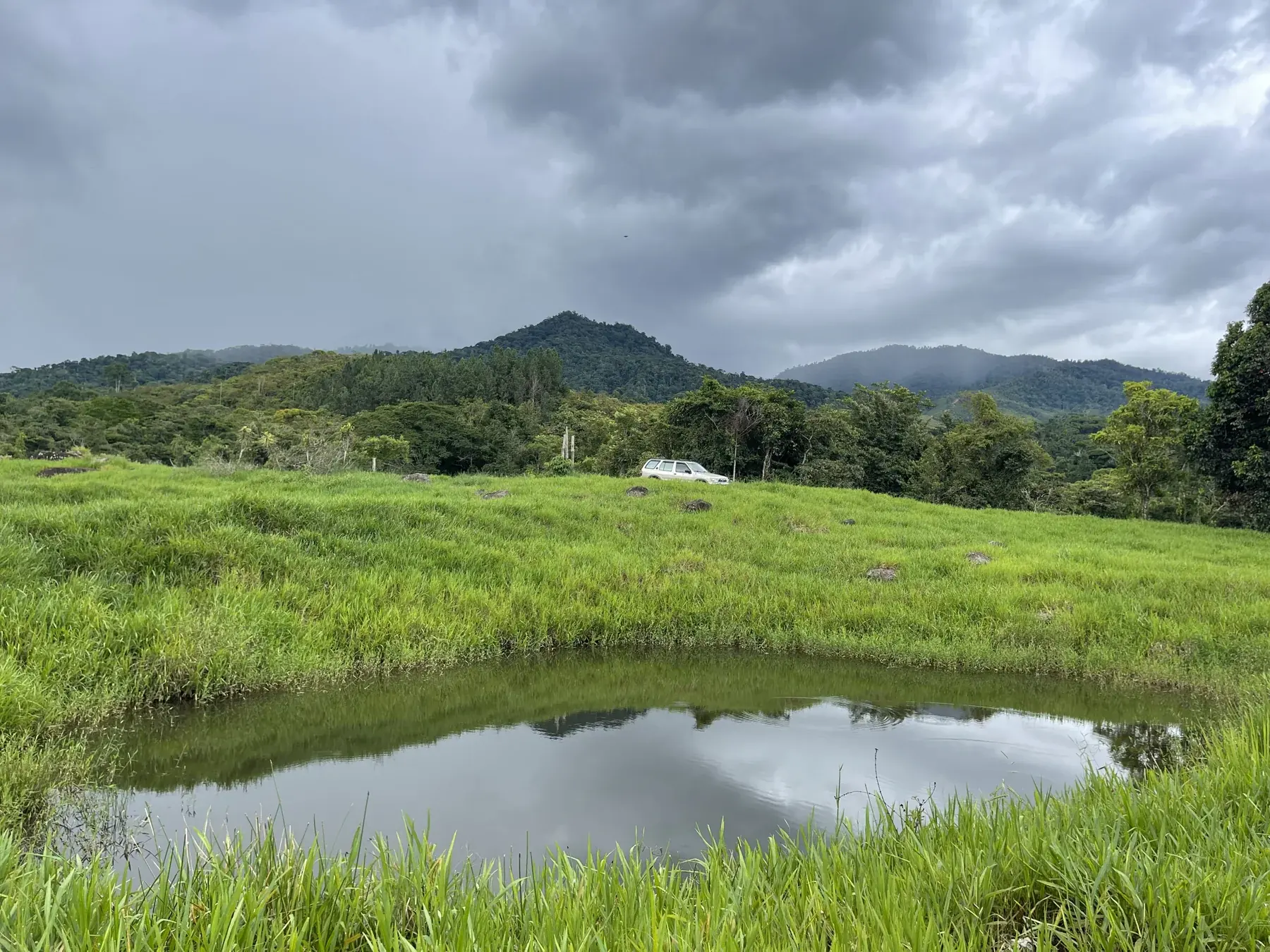
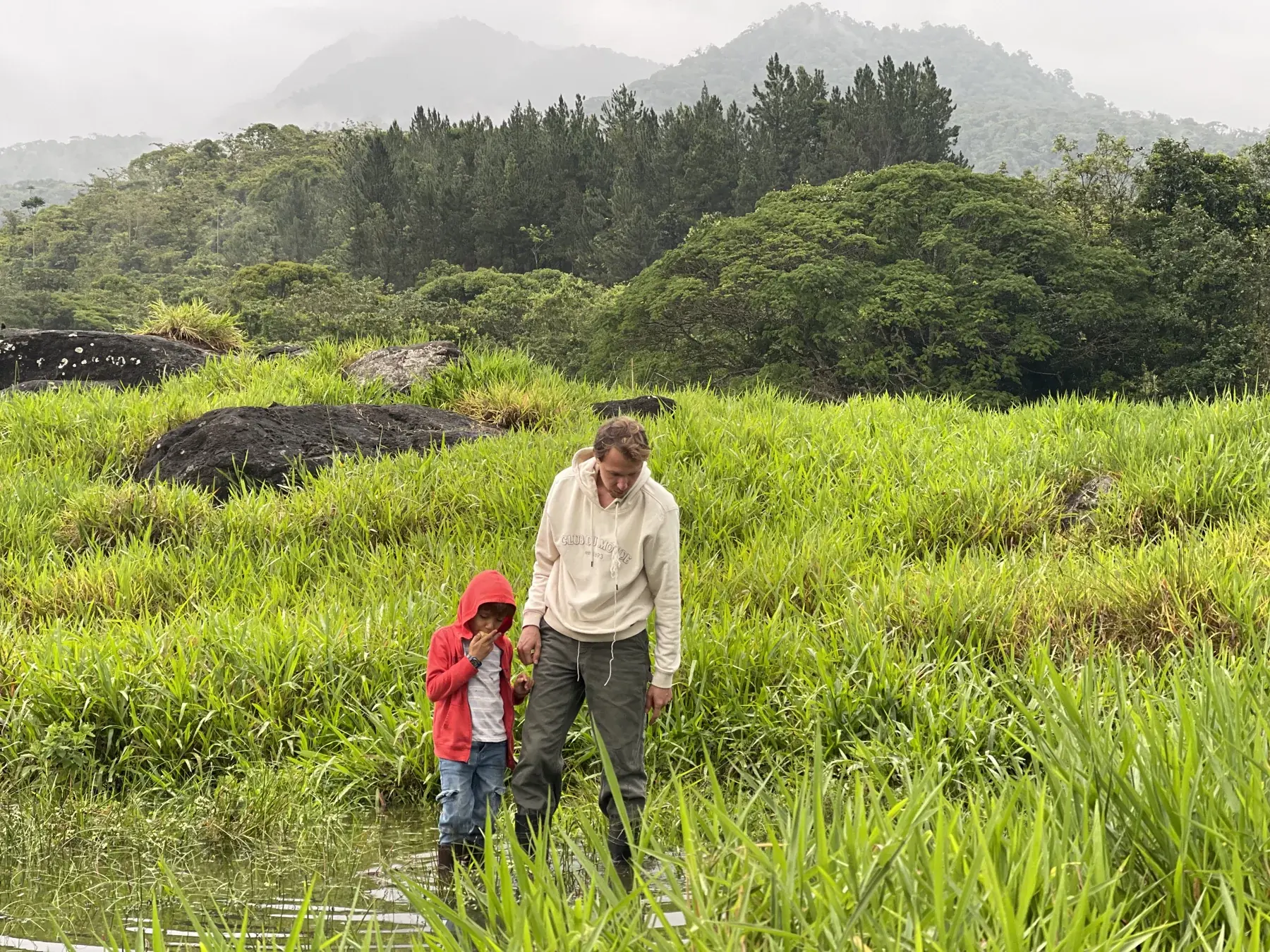
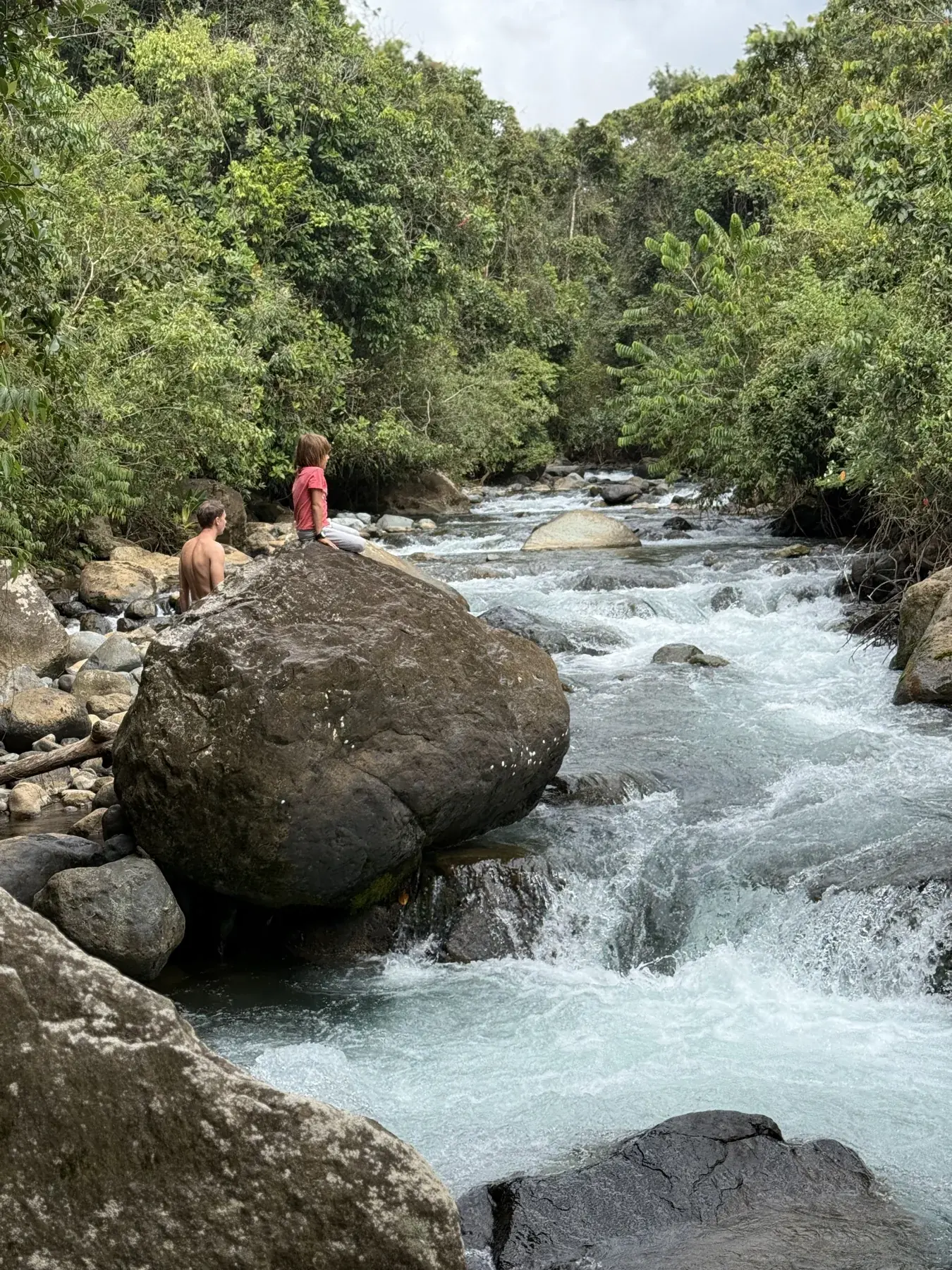
Most of these photographs come from when we bought the land. Open pasture, forest edges, large stones, and water already shaped the place. These early views are the beginning of our development notebook.
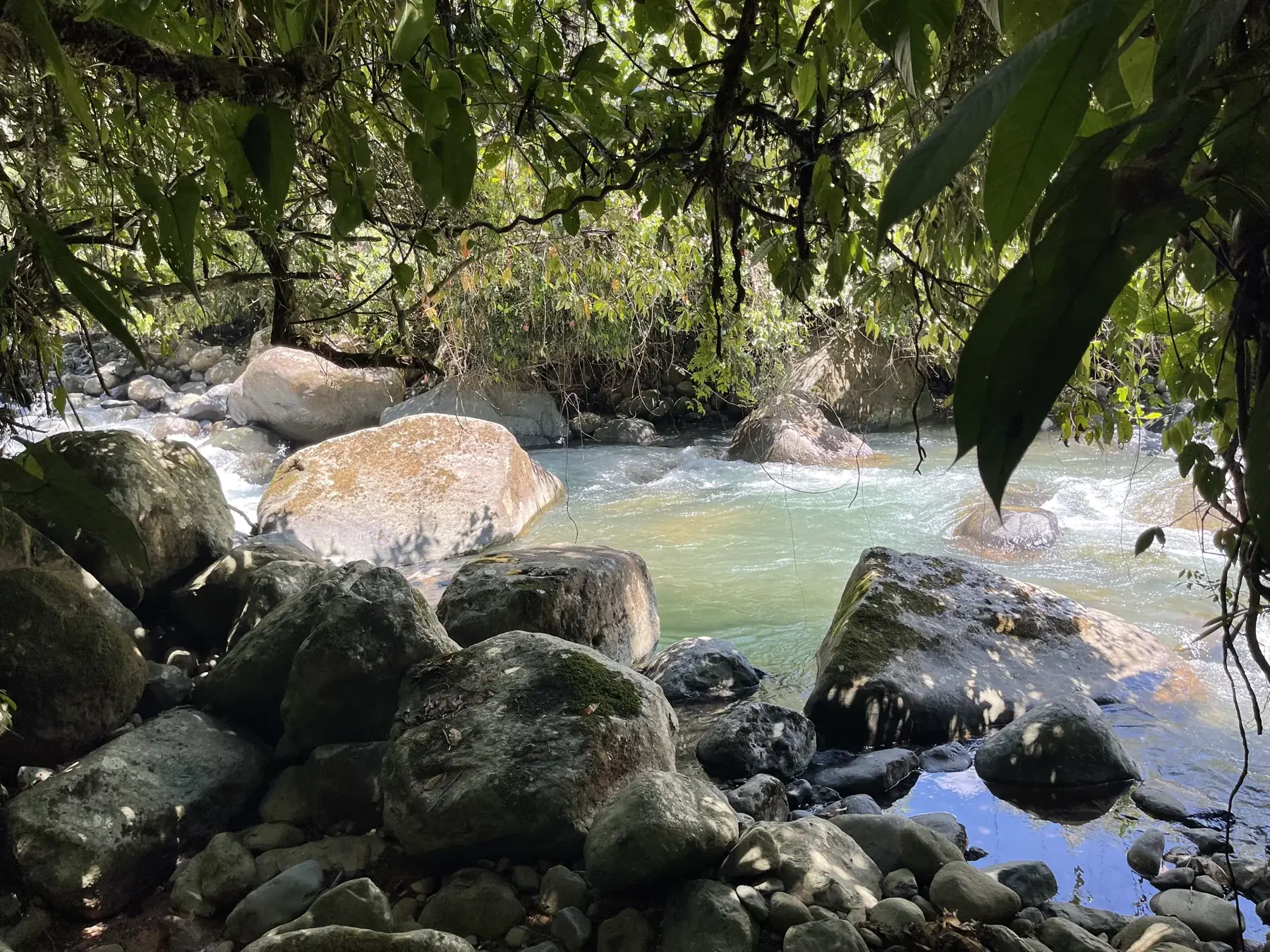
Our first foundation for daily life on the land.
Productive growing areas, the common building, and a movement gazebo.
Volunteer cabins and a communal kitchen for small learning stays.
A quieter wellness area, sauna, and practitioner-led experiences.
The learning village / A future vision
Connected cabins, a shared kitchen, and paths that follow the hillside and creek. A small footbridge links the gardens, with jackfruit, breadfruit, bananas, papayas, palms, and flowering shrubs along the way.
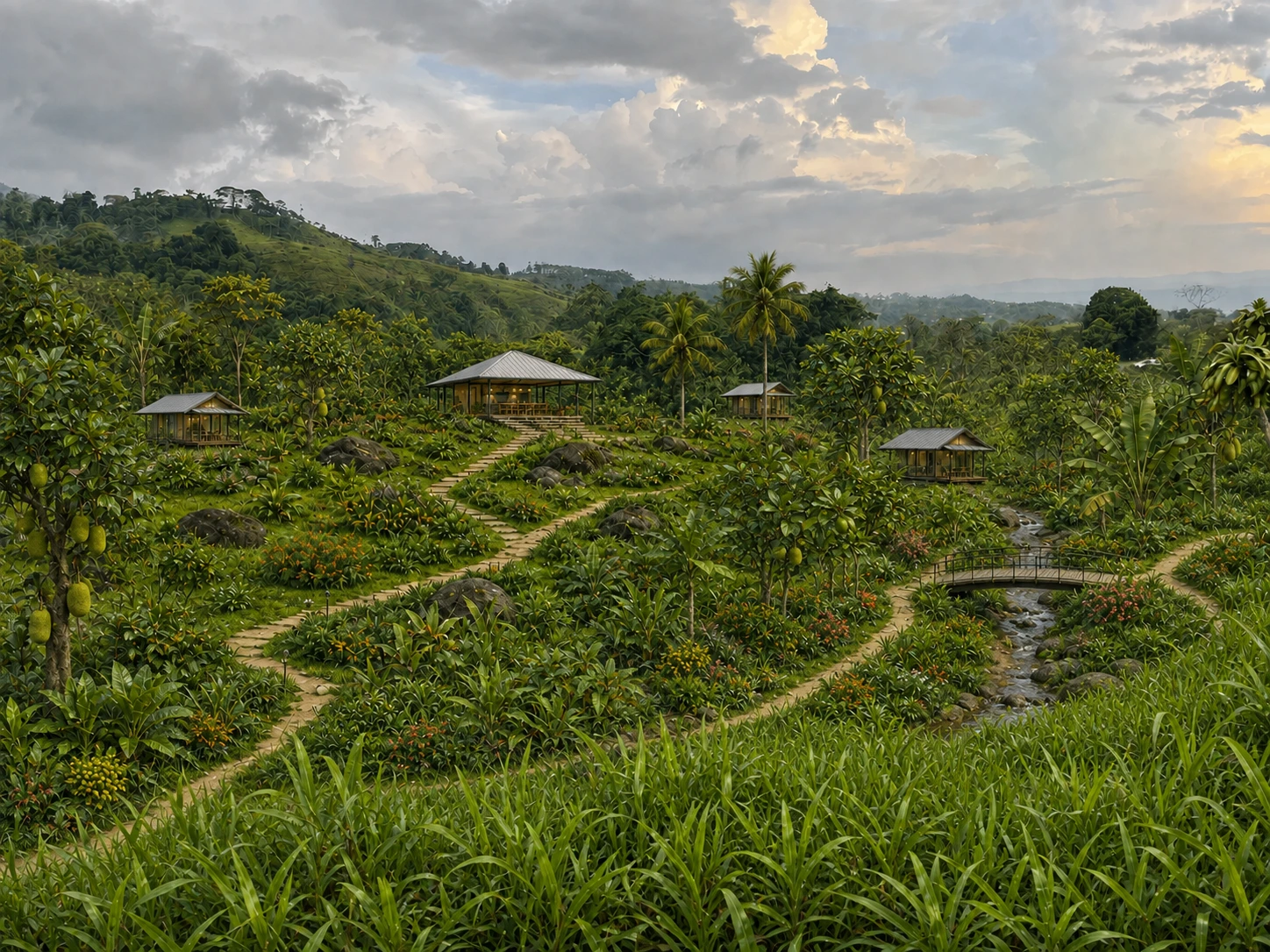 Future vision
Land today
Future vision
Land today
The main house is taking shape with metal frames, a wood exterior, teak floors, and laurel walls. Alongside construction, we are getting to know the land and building the tools we will use to care for it.
The house is under construction. As dated project records become available, we’ll publish updates in the same five-part format as the demo: what we noticed, recorded, did, saw, and will change next. The archive photographs below come mostly from the land-purchase period.
SoilJournal brings land, belongings, tasks, and field notes together. Built here first, with other homesteads in mind.
Open SoilJournal →BuenaVida / Living principles
We are building in stages, beginning with the home and everyday essentials.
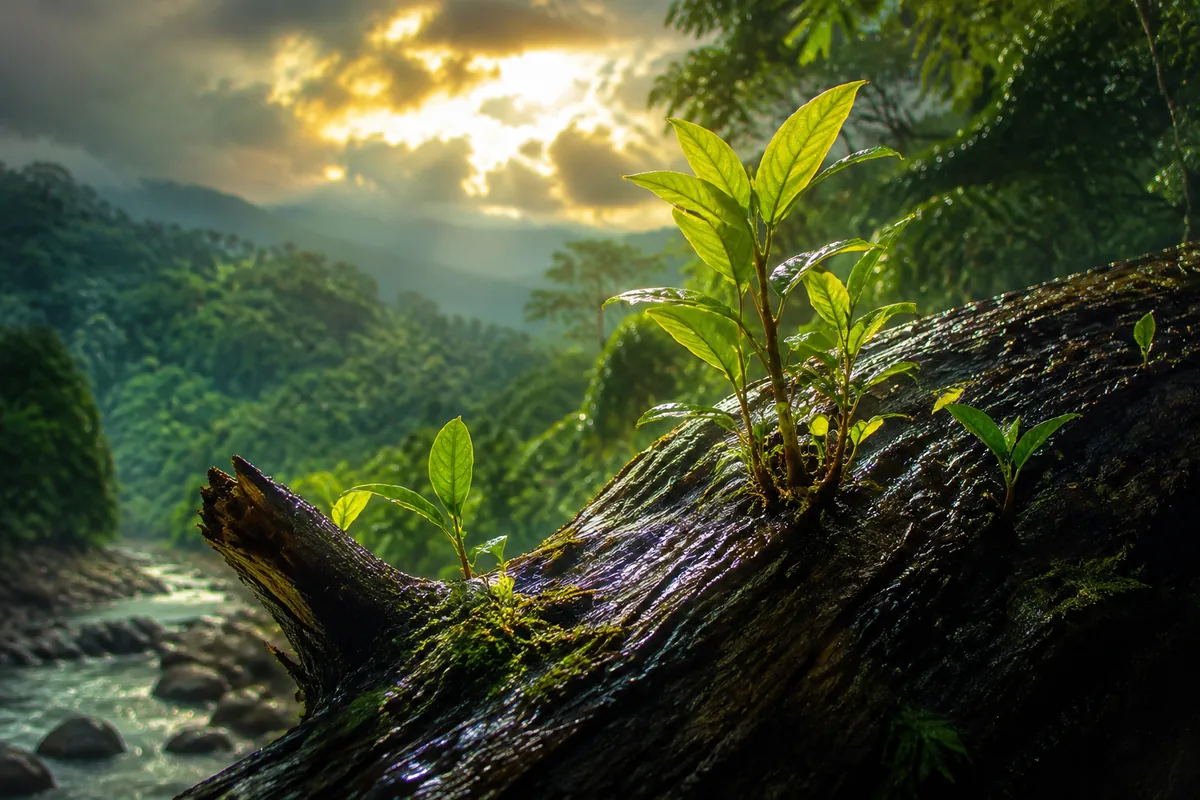
Flexible spaces and a living journal help us learn through the seasons.