The common building
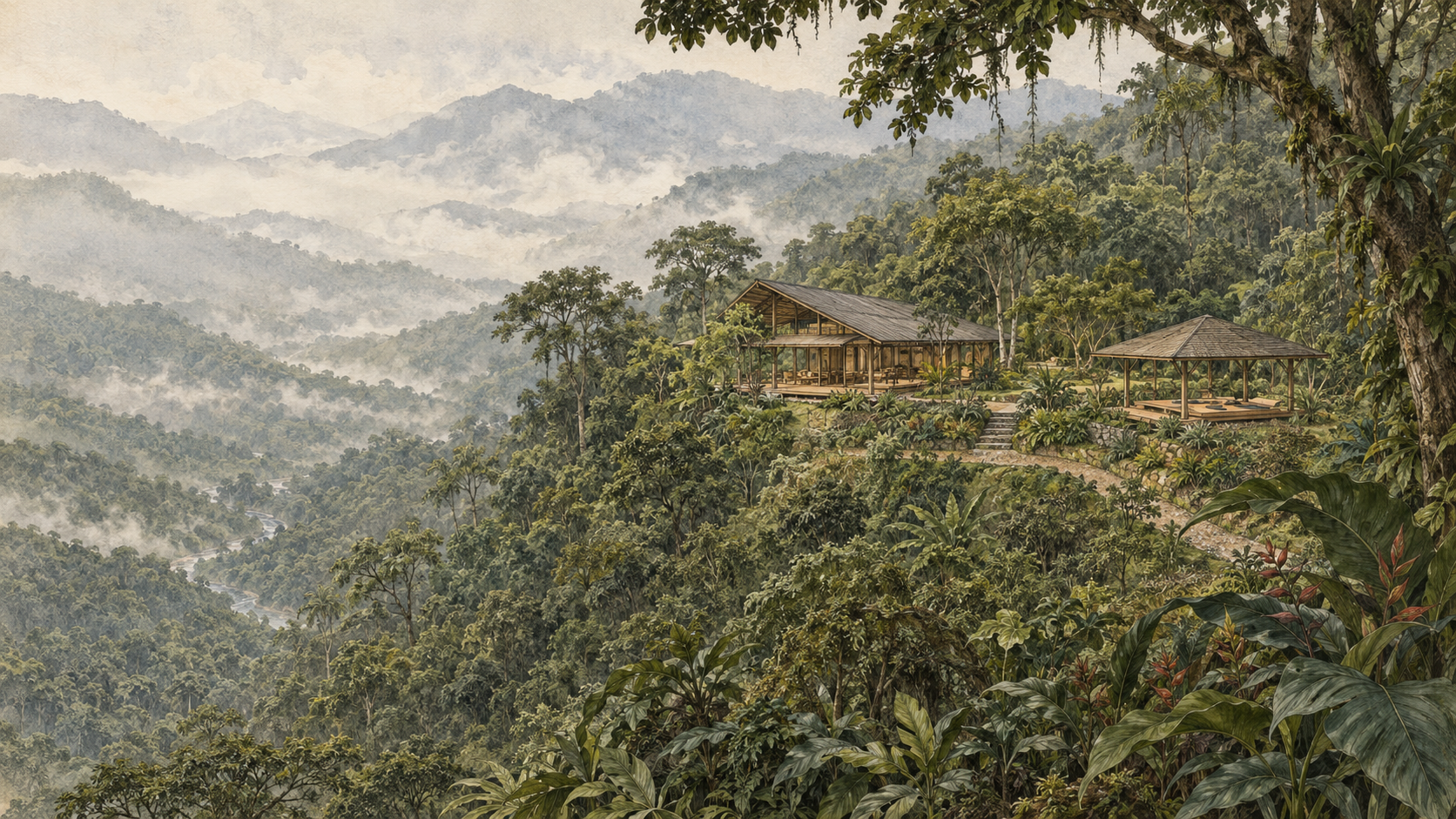
The shared heart: studies, workshops, practitioner sessions, and a place to exchange ideas.
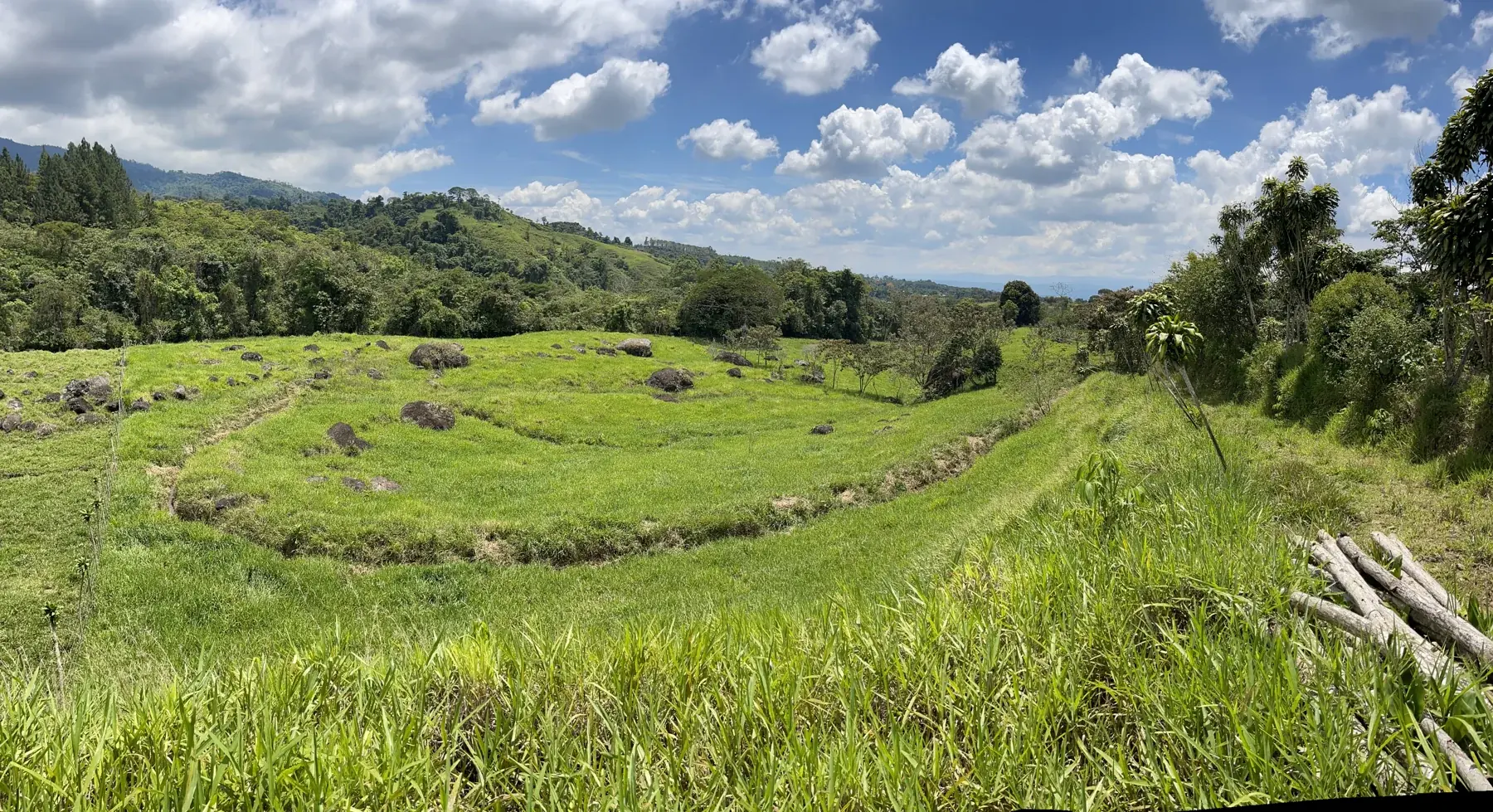
Santa Elena · Costa Rica
A family-led community in Costa Rica, bringing regenerative living, wellbeing, and useful technology into everyday life.
Property archive · The land’s first chapter
Grow food, care for the forest, and work with the water.
Make room for movement, rest, connection, and discovery.
Observe, learn, and share what helps a homestead thrive.
Finca BuenaVida is our family homestead and future wellness community on about 2.3 hectares in Santa Elena, near Pérez Zeledón.
We are bringing regenerative land, human wellbeing, and useful technology into everyday life. The main house is under construction; the wider community will grow around it.
The shared heart: studies, workshops, practitioner sessions, and a place to exchange ideas.
A large open-air space for yoga, physical training, breathwork, and gatherings.
Simple volunteer cabins with a communal kitchen nearby.
A quieter wellness area and sauna, designed around the atmosphere of the river.
SoilJournal is our homestead platform for land, crops, belongings, tasks, and observations. We are building it through real use, with AI tools and an affordable subscription for other homesteads in our longer-term plans.
Open SoilJournal →Growers, builders, practitioners, engineers, hosts, and curious minds. We welcome people who want to help bring this place to life.
Explore opportunities →Living principles / Observe and interact
The demo garden makes “observe and interact” concrete: afternoon wilt on 27 July leads to a task on 28 July and a return visit on 4 August.
In SoilJournalKeep the dated field note, the bed, the care task, and the harvest expectation together. A land action can hold the question for the next growing cycle.
What happenedThe notes capture less wilt; the harvest still comes in below plan. Both belong in the record.
The next stepWrite what you saw, name one action, and set a date to look again.
BuenaVida / Living principles
The ideas guiding BuenaVida, connected to everyday practice and a living record in SoilJournal.
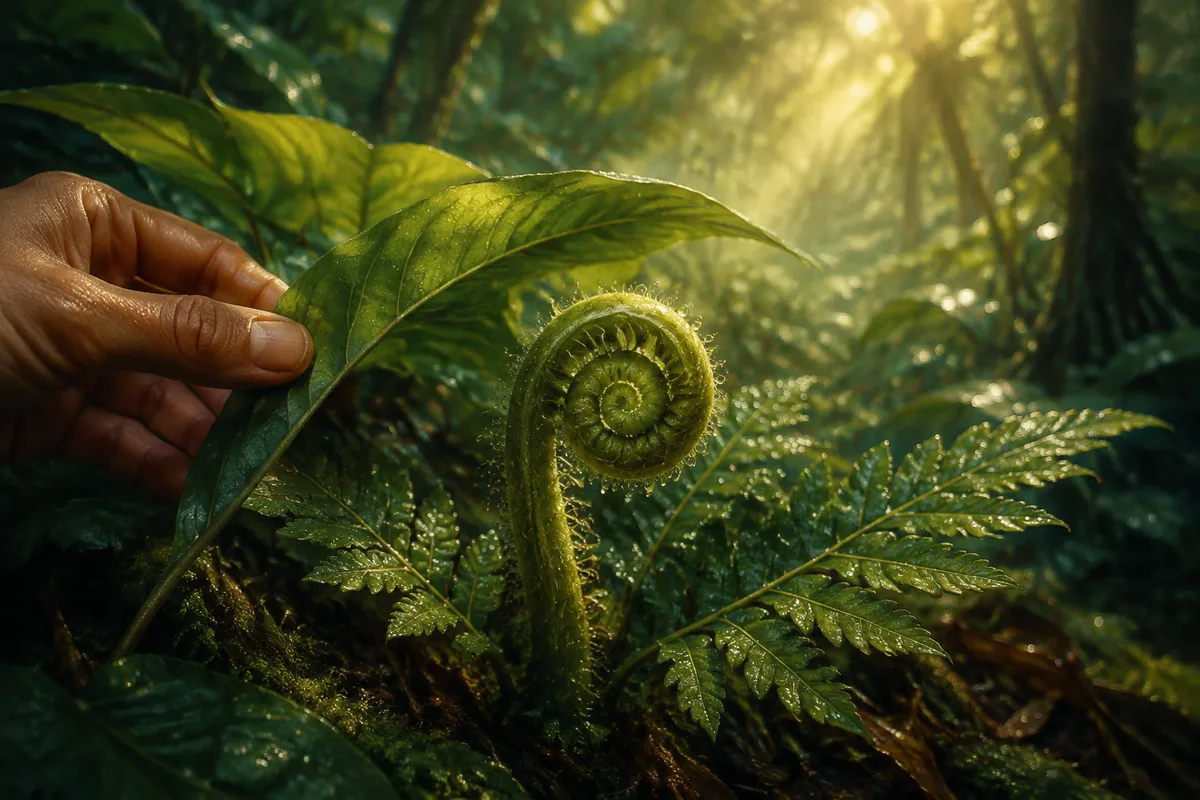 01Observe and Interact
Get to know the place before deciding what to change.
Seasonal walks and field notes help us design around the land we have.
Keep dated observations of shade, wet ground, flowering, and wildlife. Return to the same places through the seasons.
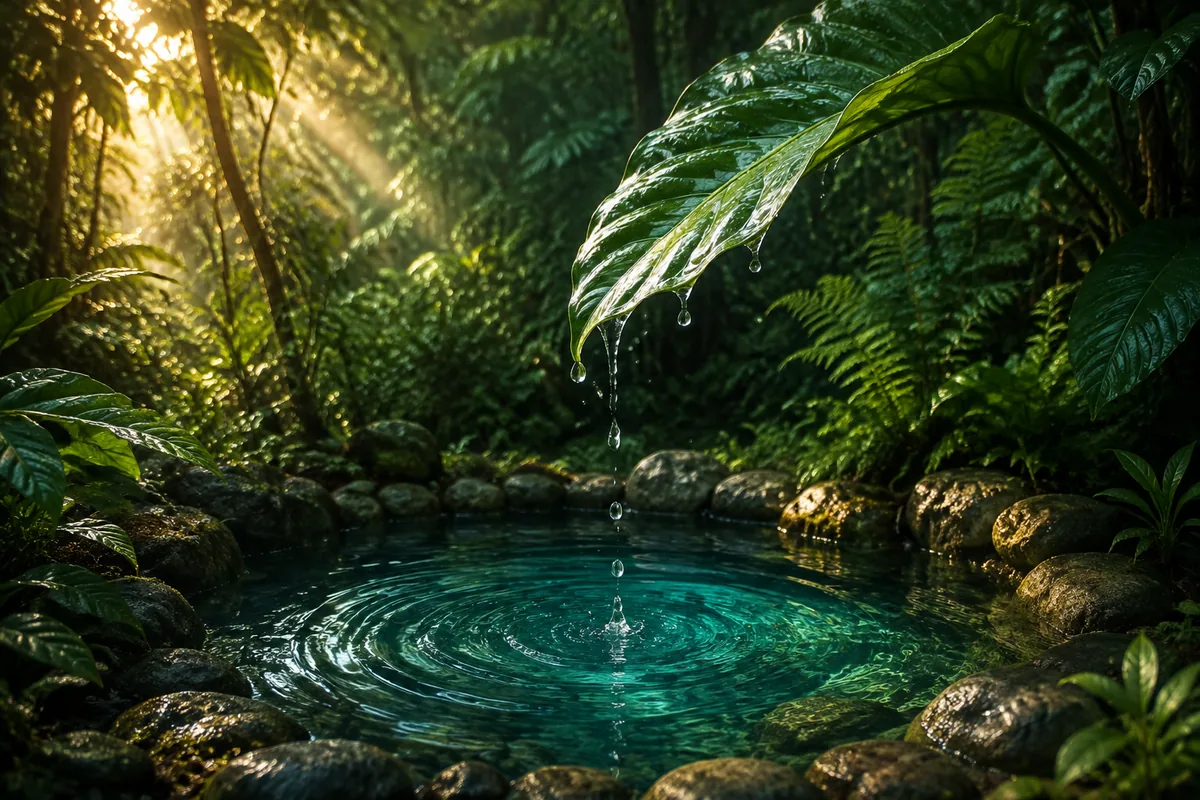 02Catch and Store Energy
Keep some of today’s abundance available for tomorrow.
We plan to catch rainwater, store water, and make good use of solar energy.
Record rainfall, tank levels, and energy measurements to compare supply with everyday use.
 03Obtain a Yield
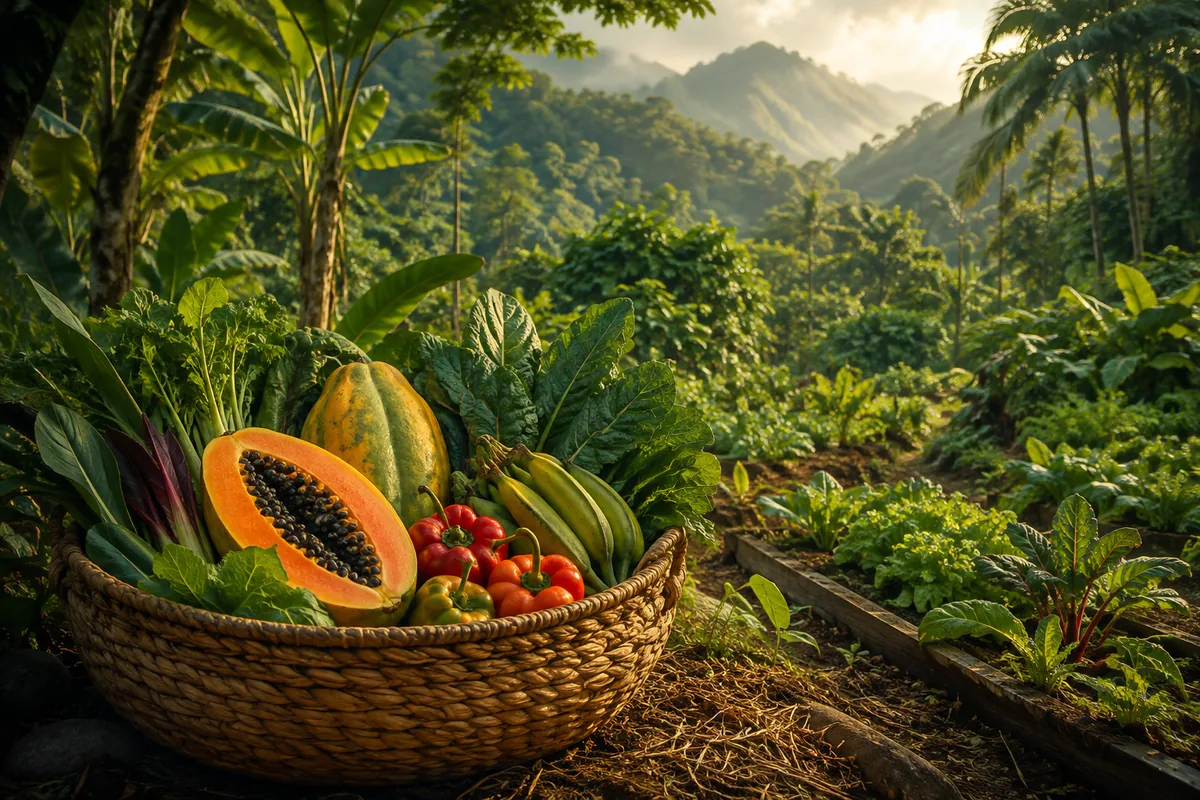
Make each stage produce something useful for everyday life.
Gardens and small-batch farm produce will bring the work of the land to our table.
Log harvest amounts and the effort involved. Note what reaches the kitchen and what deserves more growing space.
 04Apply Self-Regulation and Accept Feedback
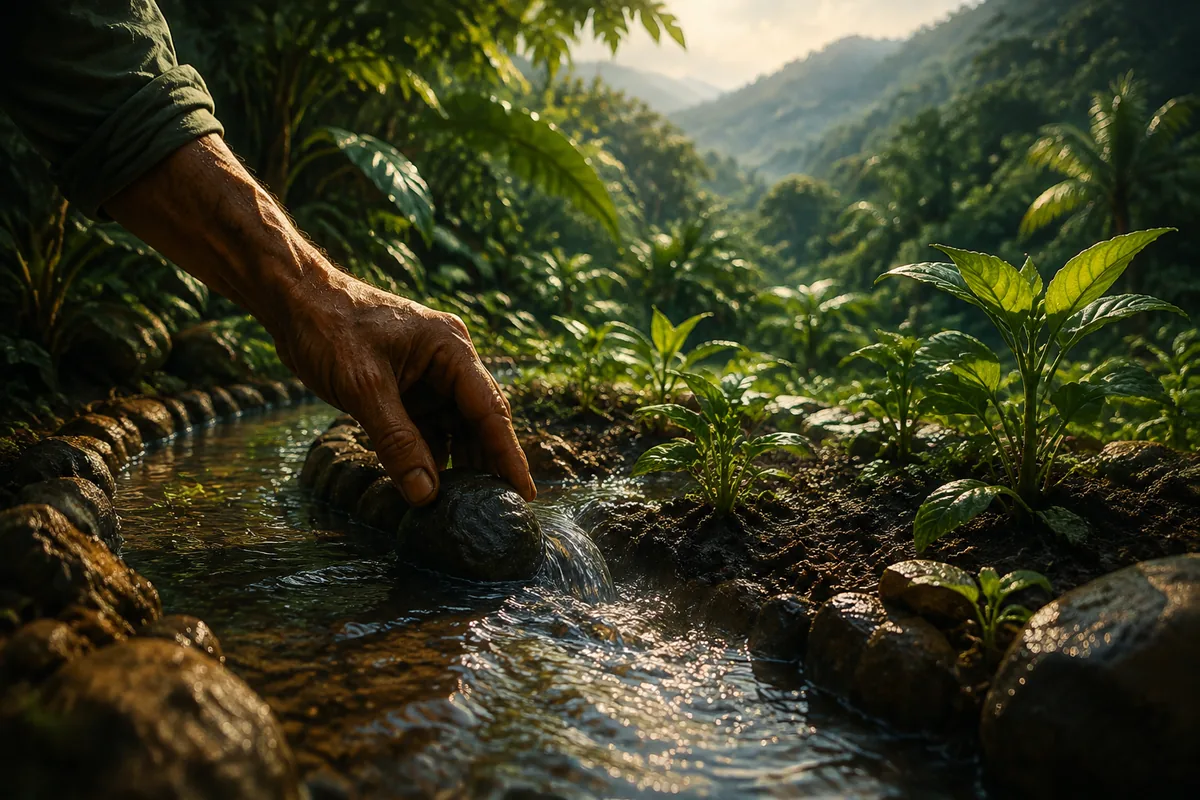
Let results change the plan.
We will let growing results and everyday experience shape each next step.
Keep the original idea, the observed result, and the adjustment together in a dated journal entry.
 05Use and Value Renewable Resources and Services
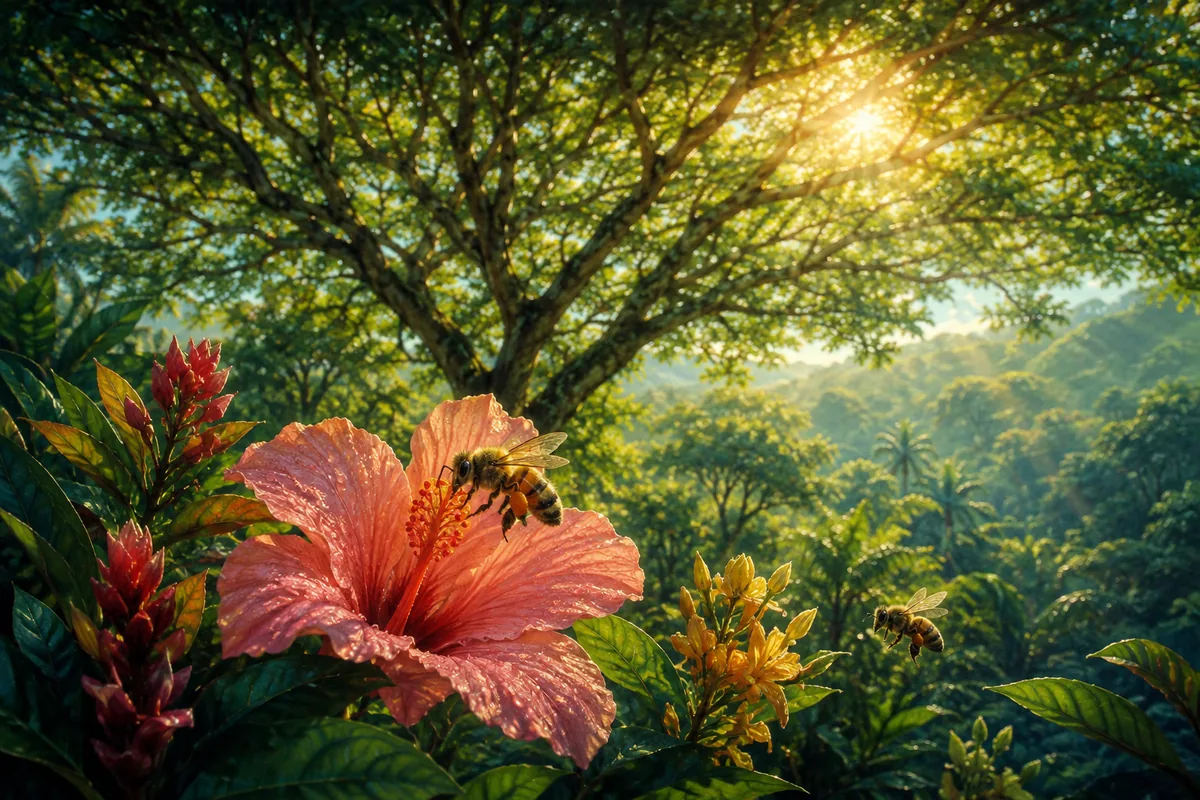
Work with the recurring contributions of living systems.
Shade trees, perennial crops, and renewable energy are part of our design.
Note which natural services replace purchased inputs or repeated work, and where additional care is still needed.
 06Produce No Waste
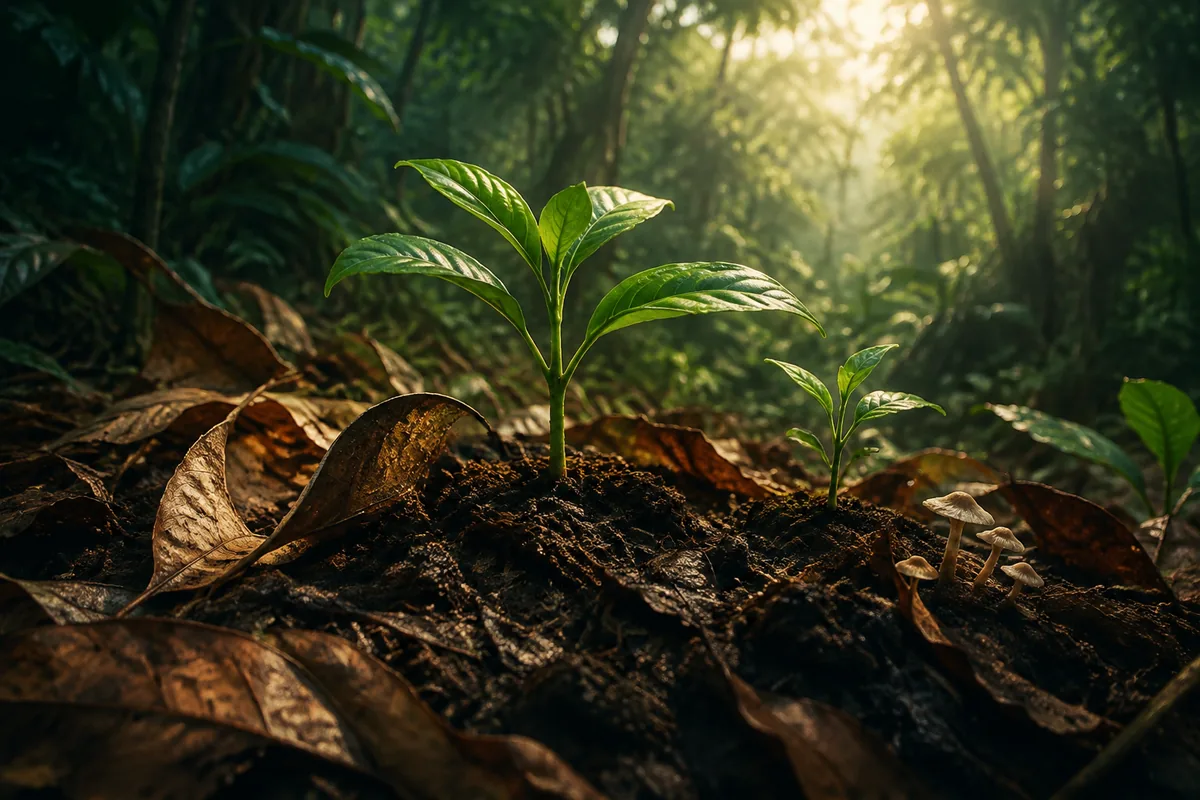
Find a useful next life for materials and resources.
Compost, useful repairs, and shared tools keep resources in circulation.
Track reusable materials, compost observations, and repair tasks alongside the belongings they support.
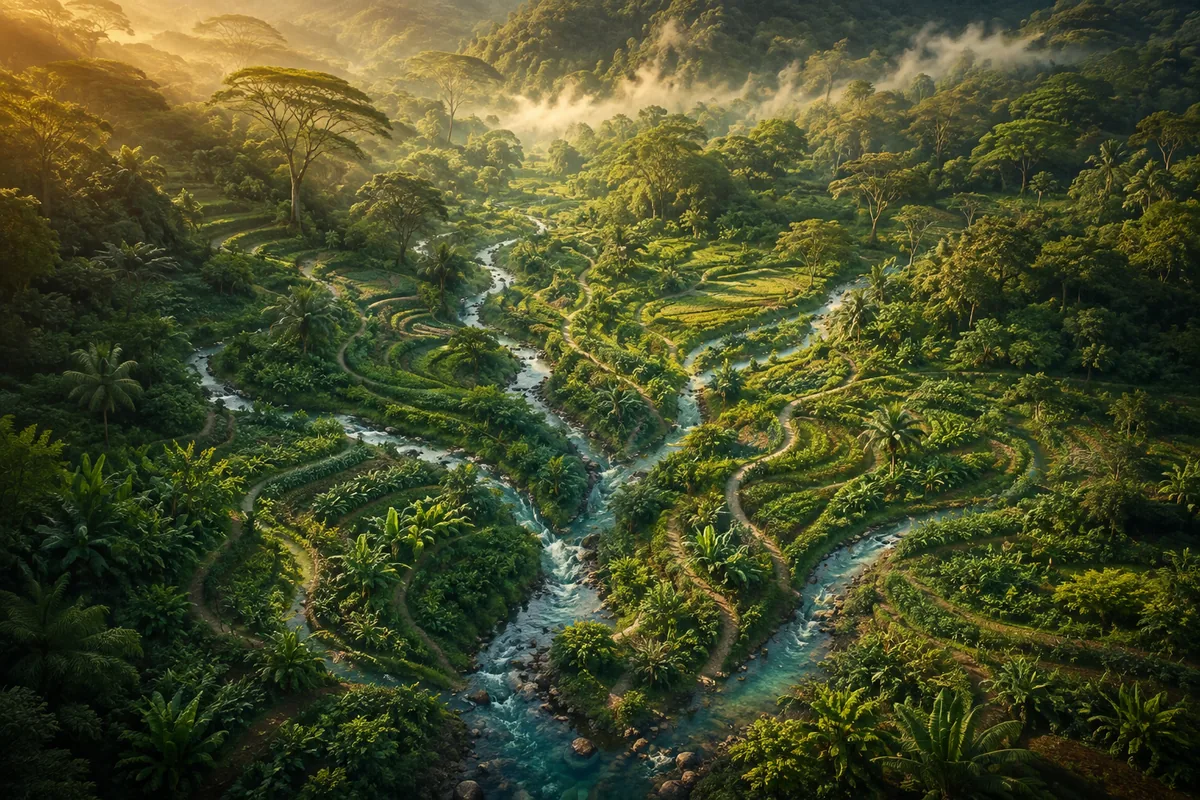 07Design from Patterns to Details
Understand the larger relationships before choosing individual parts.
Water, sun, slope, and forest shape the plan before individual spaces take form.
Describe the land zones and the patterns connecting them before recording smaller design choices.
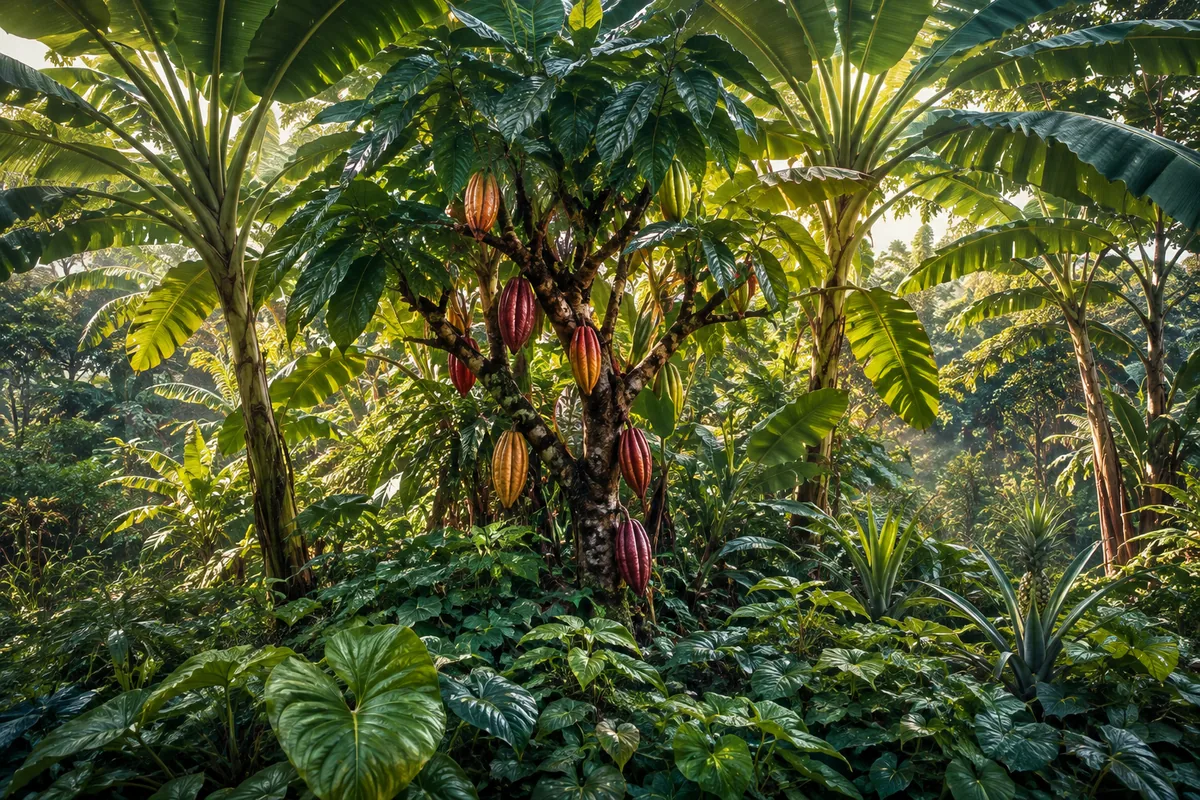 08Integrate Rather than Segregate
Place elements so that each can support another.
Gardens, animals, compost, and the shared kitchen are planned to support each other.
Link crops, belongings, tasks, and observations to their land zones so the relationships stay visible.
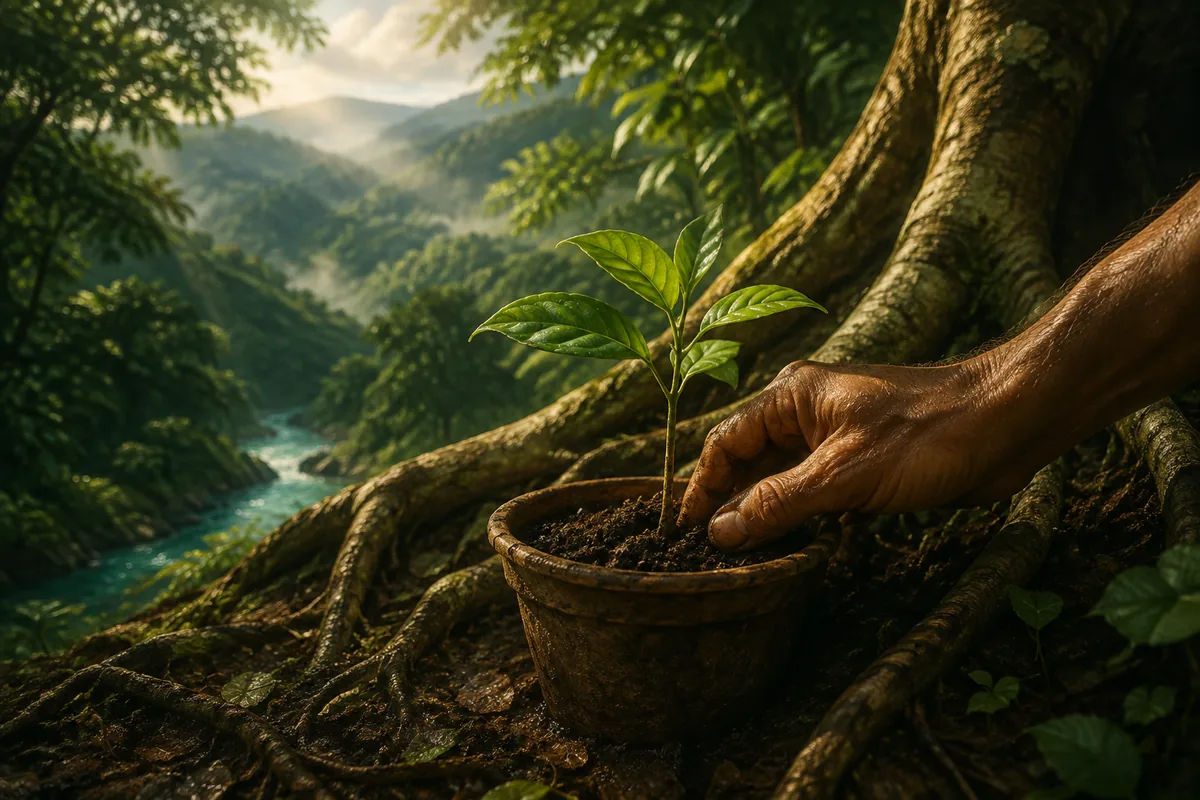 09Use Small and Slow Solutions
Choose a scale that people can care for and learn from.
We are building in stages, beginning with the home and everyday essentials.
Choose a manageable task, give it a review date, and record what it teaches before repeating it at a larger scale.
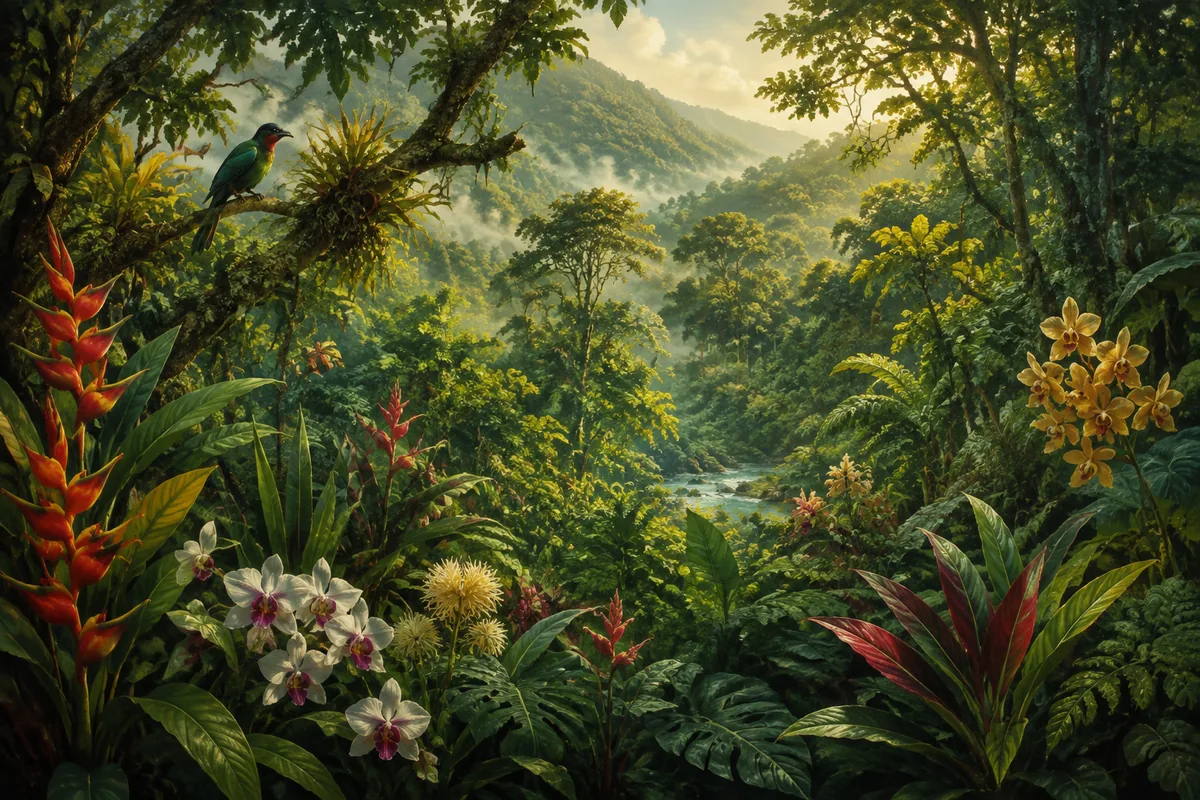 10Use and Value Diversity
Build resilience through different species, skills, and ways of contributing.
A layered food forest and a community of different skills bring variety to the project.
Keep crop varieties and seasonal observations visible. Notice gaps in the planting plan and in the skills available to care for it.
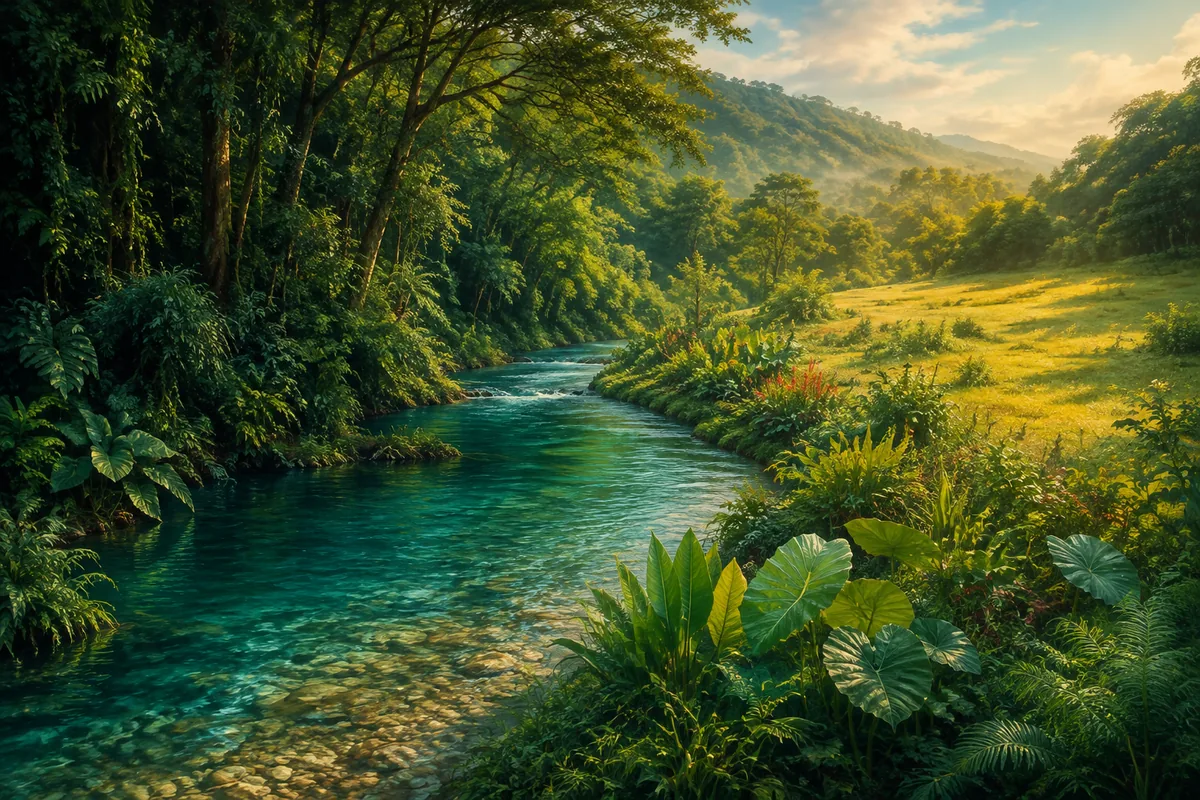 11Use Edges and Value the Marginal
Pay attention to the places where different systems meet.
We are making room for the life along forest edges and the river.
Return to the same edges and note changes in light, moisture, plant growth, and wildlife activity.
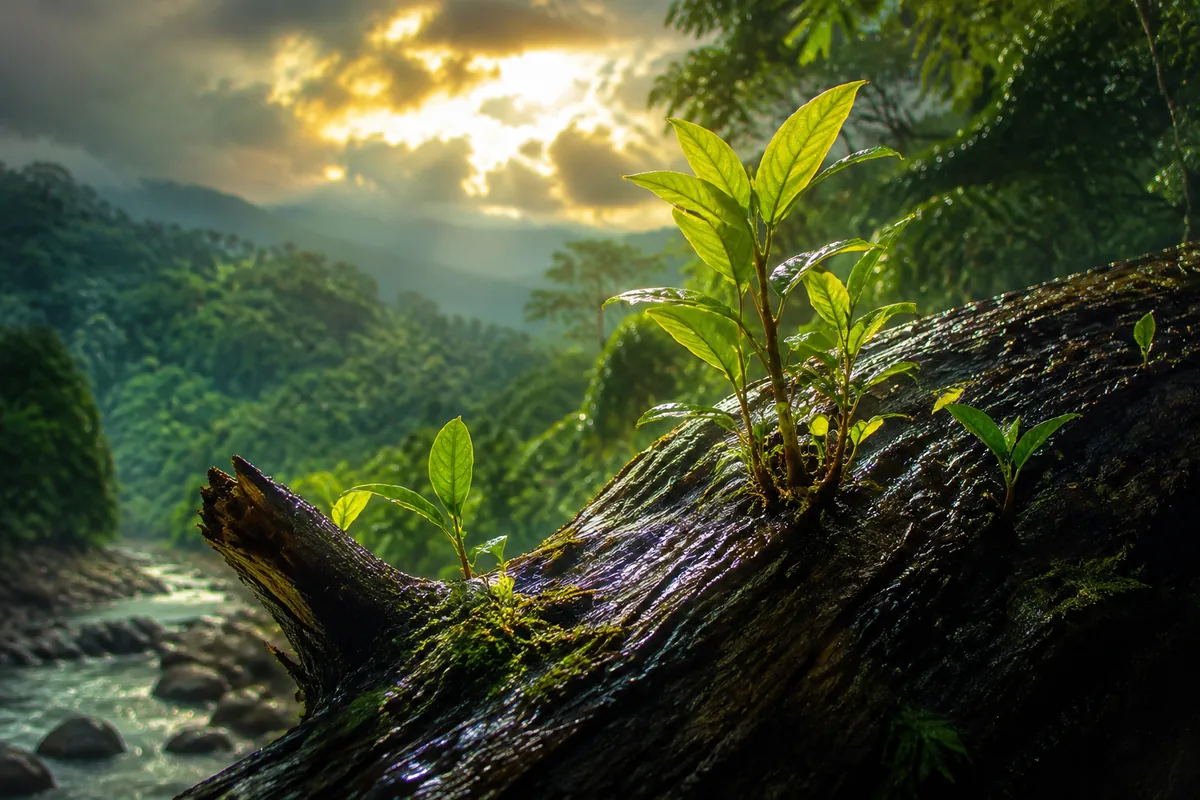 12Creatively Use and Respond to Change
Treat change as information for the next useful move.
Flexible spaces and a living journal help us learn through the seasons.
Keep a history of changes and follow-up tasks so each new decision builds on what happened before.
Design principles by David Holmgren. Applied here at BuenaVida.