You know the feeling: the post-hole digger is not in the shed where your hands expect it. The spare strainer basket lived in a coffee can—until someone used the can for nails. The carriage bolts that saved last year’s fence are “somewhere in the workshop,” which is how a ten-minute repair becomes a forty-minute hunt.
A homestead belongings log is the antidote. Not a spreadsheet of SKUs. Not an accounting inventory. A journal of where tools live, what shelf or bin holds the homestead spare parts you actually use, and which repair trail last touched them—so next season’s you, or a helper who has never opened that drawer, can find the thing without calling you at dusk.
Practice first. Soil Journal is one ops-journal example for notes, photographs, tasks, named places, and repair trails—belongings as memory, not warehouse accounting.

What a homestead belongings log is
A homestead belongings log answers operator questions:
- Where does this tool live when it is put away?
- Which place holds the spare that fits this pump, fence, or manifold?
- What did we last use it on—and did we put it back?
- If a helper opens the workshop alone, can they find the brace stakes without guessing?
It is not a parts-cost CMMS. Not a SKU ERP. Not a pantry inventory with barcodes and reorder points. Those tools solve fleets, stores, and audits. At homestead scale you need a living address book for the things that keep systems running.
The memory unit is simple:
thing (or bin) + named place + photograph + last use or linked repair + optional restock task
Date is free. A short line beats a catalog. Skip valuation columns. Write what a muddy hand can capture in twenty seconds.
Notebook plus labeled shelf photographs works the same way. The habit is the product.
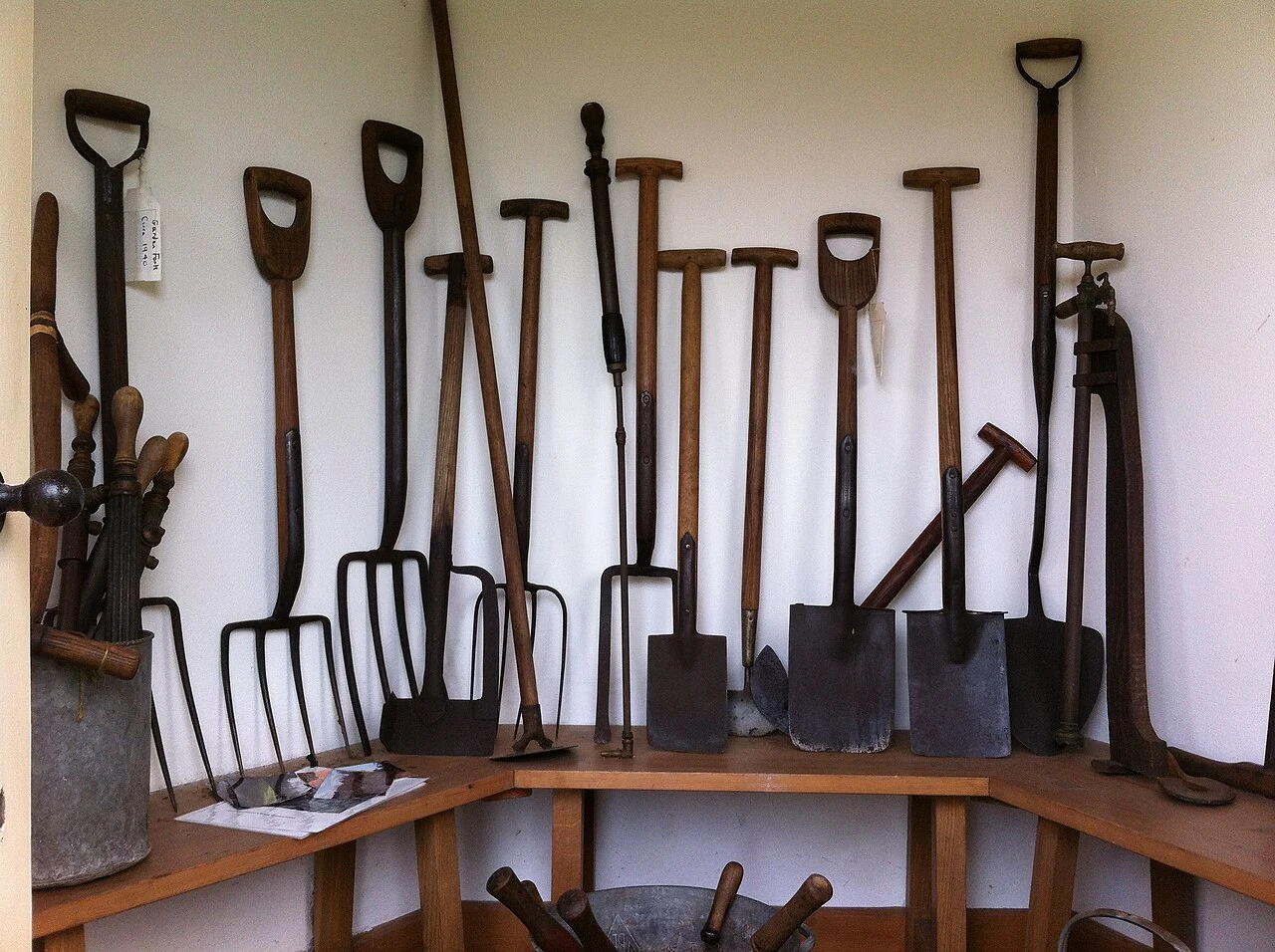
Workshop photo inventory that stays findable
A workshop photo inventory is not a gallery of tools for social media. It is evidence of layout: what lives where, labeled enough that search—or a glance—finds it later.
Do this once for each structure you actually open:
- Stand where you stand to work. Shoot the shelf, the pegboard, the open drawer—not a beauty angle from the door.
- Caption with place and what is on it.
Workshop — top shelf: digger, two braces, coil of fence wire. - Reshoot when the layout changes. Moved the seal kits to the pump shed? New photograph on that place. The old one can remain as history; the current one is the map.
- Skip SKU chrome. No serial lists unless a tool already has a name you say out loud (“blue impact,” “grandpa’s digger”).
The goal is findability, not completeness. Photograph the shelves you curse. Leave the junk drawer until it hurts.
When the digger is missing, you open Workshop and see the last honest photograph. That is the belongings half of place memory—and it pairs with how you name structures in homestead place memory.

Homestead spare parts linked to repair trails
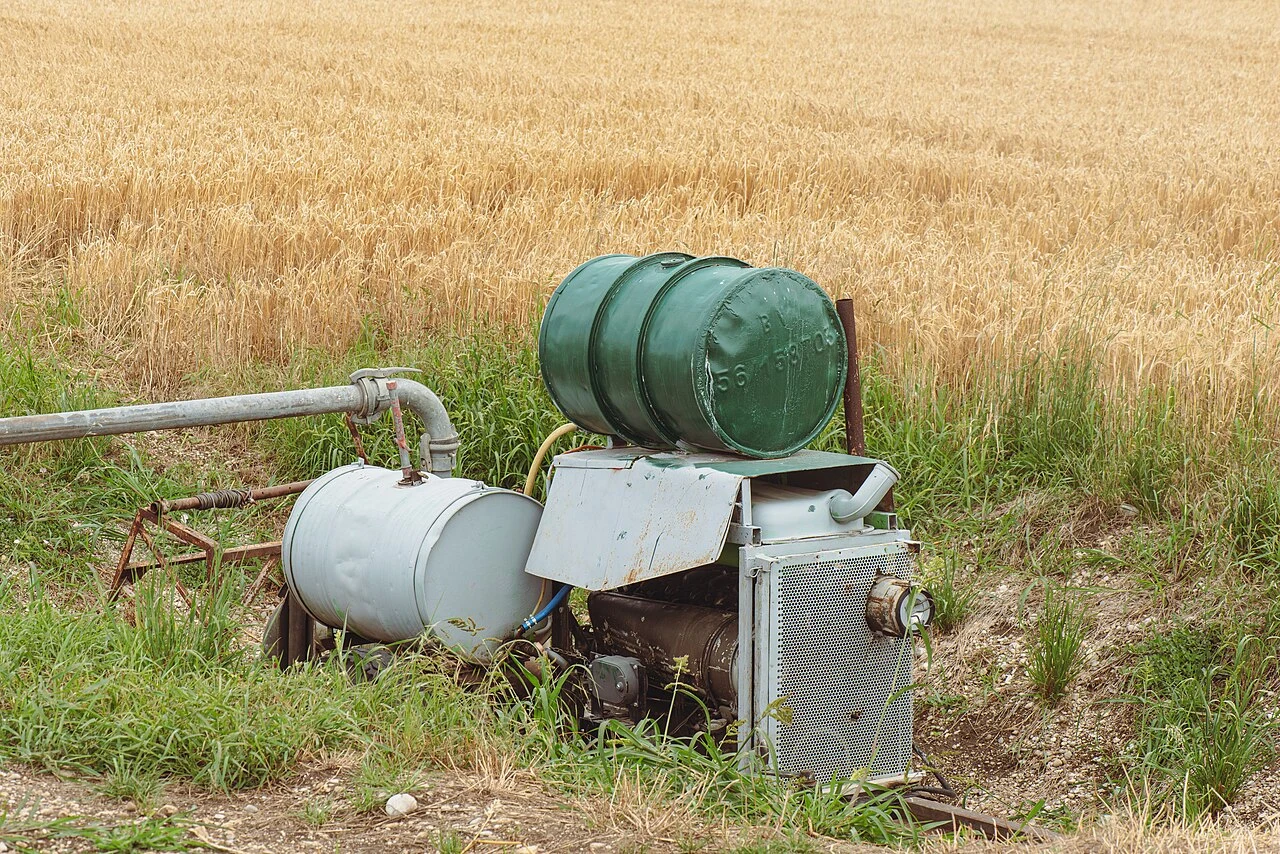
Homestead spare parts earn their keep when they are tied to the systems they serve—not when they sit as anonymous “hardware” in a coffee can.
Link the bin to the trail:
- Place the bin lives: Pump shed, Workshop east wall, Irrigation tote.
- What is in it: Seal kit for a known pump footprint; carriage bolts of a stated size; barbs and clamps; spare strainer basket.
- Last repair that drew from it: Point at the trail—post brace, pump seal swap, lateral tee—so the next failure starts from evidence, not folklore.
- Restock task when thin: Verb plus done definition. “Buy two barbs and hose clamps—done when both are in the irrigation tote.”
That link is why a belongings log and a repair log belong together. The homestead repair log already asks for parts you grabbed. The belongings log answers where those parts live when the trail is closed—and whether the bin is empty before the next soft-pressure day.
Demo · 9 August · Pump shed seal-kit bin. Contents: one seal kit labeled for the 0.75 HP centrifugal footprint. Last linked trail: “North pump seal swap, July.” Restock task created when the kit is used: “Replace seal kit in Pump shed—done when a sealed kit is on the marked shelf.” Teaching example only; not a BuenaVida inventory claim.

Name the place: shed, workshop, pump house
Belongings without places dissolve into “out back.” Name the structures the way you name beds and paddocks.
Good belongings places:
- Workshop
- Tool shed
- Pump shed or pump house
- Irrigation tote (if it is a real home, not a moving pile)
- North fence kit box (only if it stays there)
Weak names: Garage stuff. Hardware. Misc. That shelf.
Keep the list short—usually three to six structure places cover tools and parts. Pin the photo inventory and the spare-parts notes on those names so search works next wet season. Renaming kills findability the same way it kills repair trails.
When a note implies work—“only one spare barb left,” “digger left at north fence overnight”—turn it into a thin task on that place, with one verb and a done definition, as in turn notes into tasks. Restock and put-away are belongings tasks; they are not a project board.
Helpers later — leave a map, not a promise
Someday a neighbor, a seasonal hand, or family will open the workshop without you. The belongings log is for that future: a shelf photograph, a named place, a line that says the seal kit is in the pump shed—not in your head.
Shared seats and synced multi-user crew boards may arrive later in a product. Do not wait on them to start. Leave the map now so a helper can follow it when the time comes. A clear photograph caption beats a verbal “it’s in the shed somewhere.”

.jpg)
What not to inventory
A belongings log fails when it becomes a second job. Do not count every screw, nail, or seed packet unless that count will change what you buy or do this month.
Skip valuation. Skip barcode projects. Skip photographing every drawer “for completeness.” Completeness is how the habit dies. Prefer three shelves you actually search over a catalog you never update.
If a tool is shared between places—digger used at the north fence and stored in the workshop—give it one home place and mention the temporary location in the open task. “Left at north fence overnight” is a put-away task, not a second belonging record.
When you buy a replacement, update the caption or add a dated note on the same place. Quietly overwriting last year’s shelf photograph removes the history of what you thought you had. Prefer a new entry that says the layout changed.
Start this week
Do not catalog every nail. Start with the three things that cost you the most search time.
Day 1 — Name three belongings places. Workshop, pump shed, one kit box or tote. Write them once.
Day 2 — Workshop photo inventory. One honest shelf shot per place. Caption what lives there.
Day 3 — One spare-parts bin. Label sizes that matter for your pump, fence, or drip. Photograph the open bin.
Day 4 — Link one tool or part to a past repair. “Brace stakes—last used north fence post 12.” If you have no trail yet, start the next break with parts named.
Day 5 — One restock or put-away task. Thin bin or tool left in the field—verb plus done definition on the place.
Weekend — Open Workshop and search “seal” or “barb.” If nothing surfaces, the photographs are still in the camera roll, not on the place.
By Sunday you know whether “where tools live” is still folklore—and what one shelf photograph would fix.
Where tools live should not be a mystery. Leave the shelf a trail. ## Connect belongings to the week’s work
Belongings records stay alive when they touch real jobs. After a fence afternoon, spend two minutes noting which stakes, digger, and bolts left the workshop—and whether they returned. After a pump service, note which seal kit or gasket size was used and whether the bin still holds a spare.
This is not a timesheet. It is a bridge between the repair trail and the shelf photograph. When next season’s soft pressure day arrives, you should be able to answer “do we still have the footprint that fits?” without emptying every drawer.
If two people share the workshop, agree on the home place for each high-friction tool. Disagreement about “where it lives” is itself worth a note. Update the shelf photograph when the agreement changes.
Explore Soil Journal at soiljournal.com, or record a planting when you want to try the current entry flow.