Homestead place memory is the history you can retrieve for one recognizable part of your land: what was planted, what changed, what broke, and what you want to check next. It starts with named farm places. “Orchard Row A” gives a note a durable home; “over there by the trees” depends on a memory that will fade.
You can begin with a short place list and a dated journal. A map may help you navigate, but the real work is connecting events to places consistently. When you return to the pump pad or the lower bed, you should be able to see its history without remembering the dates of every visit.
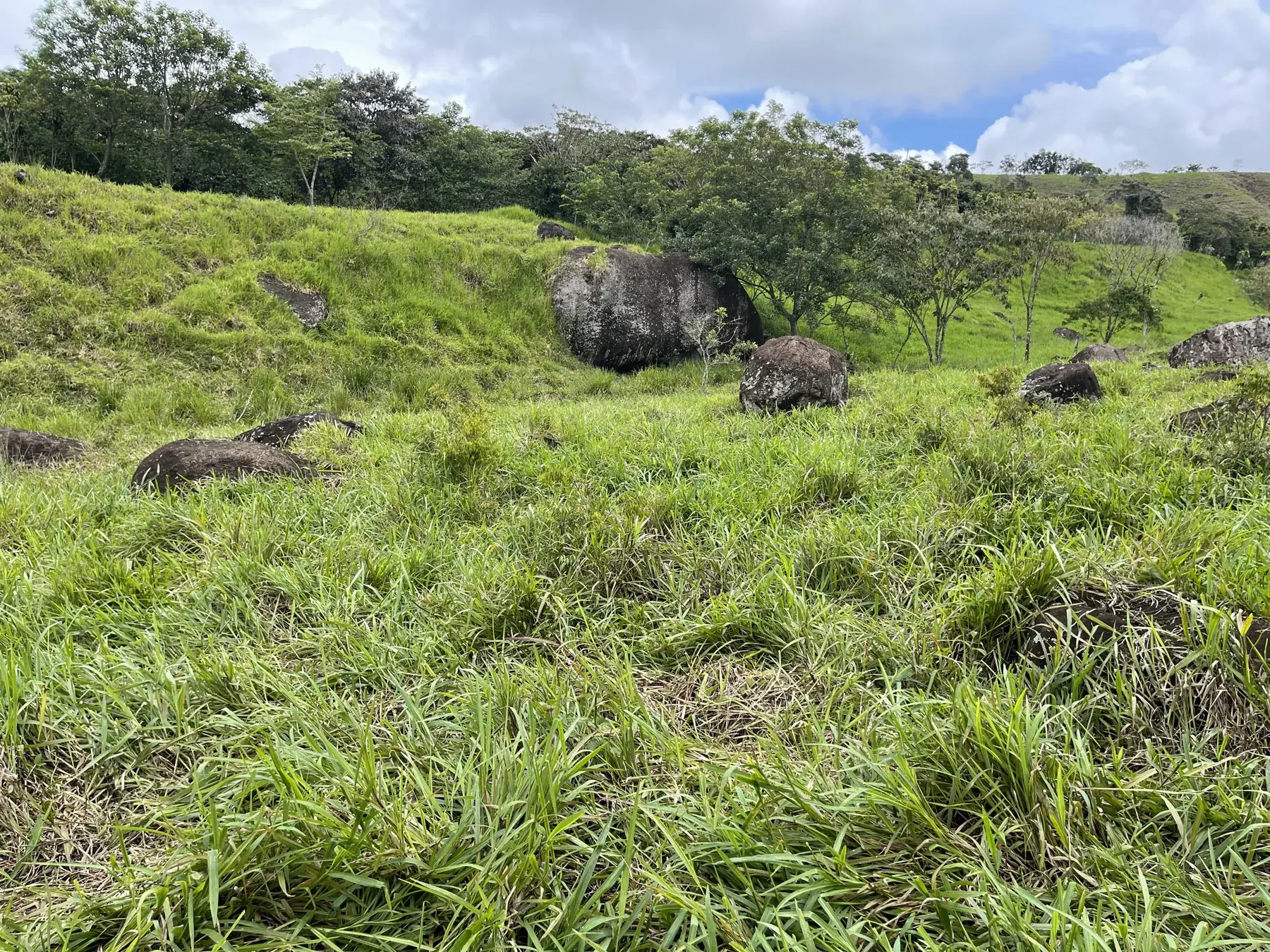
What makes a place useful in a journal?
A useful place is somewhere you recognize, work on, and ask questions about repeatedly. It may be a whole paddock, an individual growing bed, a structure, or a water-system location. Its size matters less than whether one history makes sense for the work you do there.
“Vegetable Garden” can be enough when you have two small plots managed together. If different beds receive different varieties and amendments, separate names become useful. The reason to divide a place is a recurring information need, not a desire to make the map more detailed.
Use stable physical references where possible. “Bed 3” can remain useful when tomatoes are replaced by beans. “Tomato Bed” may become misleading next season. If an established name matters to you, keep it, but record changes clearly so that a future reader understands what it meant at the time.
The same principle works for structures and belongings. A workshop is a place; a portable drill is an object whose location may change. Its repair history should travel with the drill, while the workshop record can describe its usual storage position. Keeping that distinction prevents a move from splitting one object’s history in two.
Create your first set of named farm places
Walk the route you normally take to check plants, animals, and water. Write the names you already use. Resist naming areas solely because they appear on an aerial image. Your first list should reflect everyday work, including the unglamorous corner where tools and spare parts accumulate.
An initial list might include Kitchen Bed 1, Kitchen Bed 2, Orchard Row A, Chicken Coop, East Paddock, North Gate, Pump Pad, Pond Edge, Workshop, and Compost Bays. This is a starter example, not a recommended property layout or a required number of places.
Add a short recognition note to each: “North Gate: timber gate opening onto the upper track.” If there are two similar features, explain the difference now. A single overview photograph can provide another cue. Avoid relying on a temporary pile, vehicle, or crop as the only landmark.
Use a broad type only if it helps you browse: growing bed, perennial planting, livestock area, structure, water, or energy. Types let you find related places, but they should not force a complicated classification. A mixed area can have a plain-language description of its uses.
How precise should your place names be?
Make a separate place when you repeatedly need a separate history. A fence may only need one record at first. If repairs keep occurring at different sections, use North Fence, Stream Crossing, and Track Gate so that one repair does not obscure another.
For water systems, pair the place with an identifiable component. “Pump Pad, outlet connector” is usually more useful than naming every fitting as a separate place. If a component moves or is replaced, record that event. You can add a persistent object identifier later if the history becomes difficult to follow.
Use aliases for familiar old names. “East Paddock, also called Lower Meadow” keeps earlier notes discoverable. Choose one preferred name for new entries and preserve the others in the description. Renaming should improve retrieval rather than erase the vocabulary already embedded in your records.
When a place splits, document the date and relationship. “Bed 2 divided into Bed 2A and Bed 2B after the June planting” gives the new histories a starting point. Older records still belong to the original area. Do not copy them as if the separate beds existed when those events occurred.
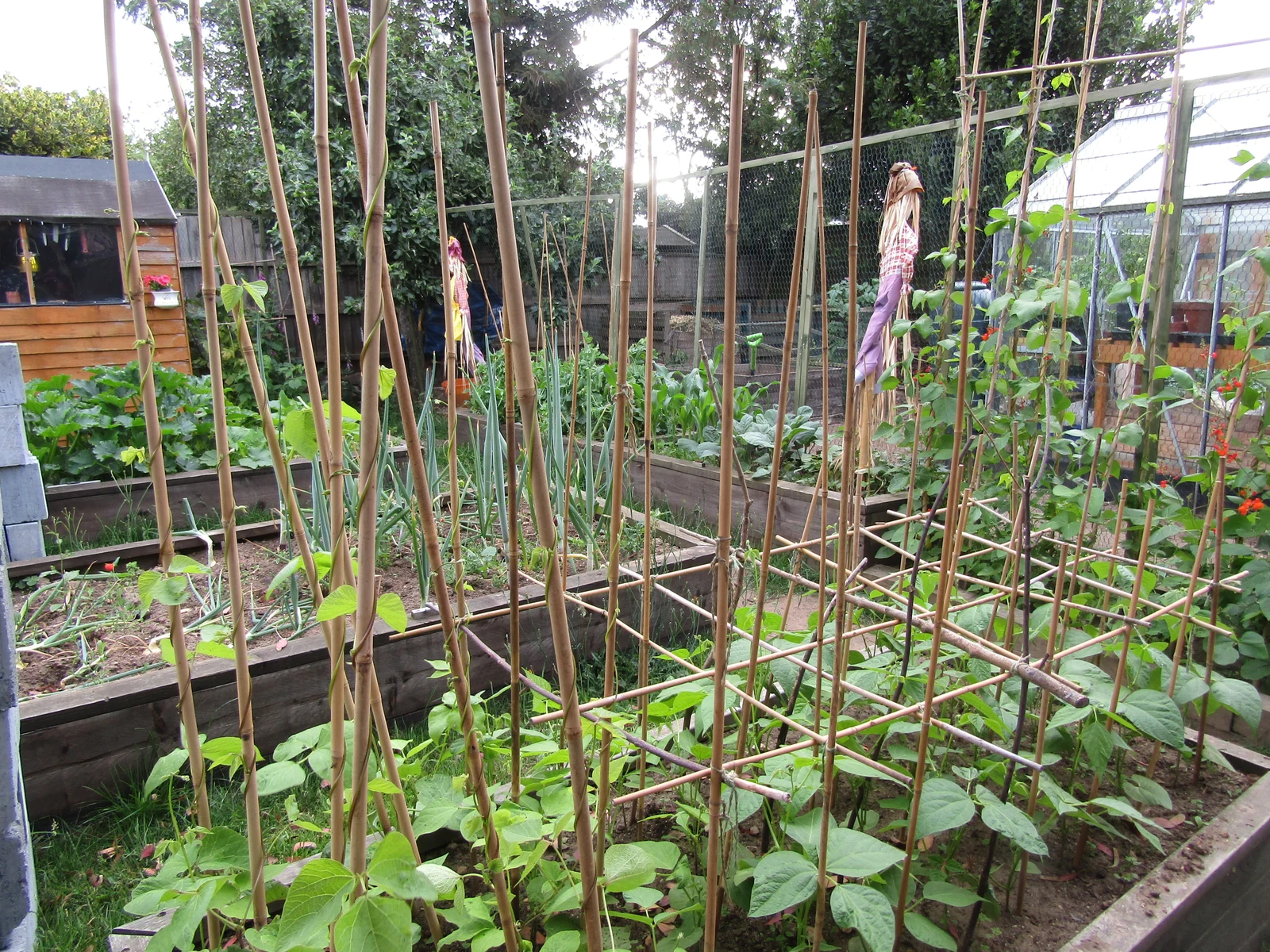

Build a timeline around what happened there
The place description answers where something is. The timeline answers what has happened to it. Keep those two kinds of information connected without continually rewriting the description to contain the full season’s events.
A bed timeline might begin with preparation, continue through planting and observations, and end with harvest and removal. A pump timeline may include an unusual sound, a service visit, a replacement component, and a check during later use. Both are sequences of dated events with an outcome or an open question.
Demo · Pump Pad. 2 July: wet area below outlet during use; close-up saved. 3 July: compatible connector obtained, still uninstalled. 5 July: connector replaced by the person doing the repair; part label photographed. 6 July: no dripping visible during the observed cycle. Follow-up: inspect after the next sustained rain.
The timeline preserves the distinction between buying, fitting, and checking. A single current-status label such as “working” cannot replace that history. It may be convenient for an overview, but the dated entries explain what the status is based on.
For the detail that belongs in these entries, use the homestead repair log method. A recognizable place turns an isolated fix into a trail you can consult when the same system needs attention again.
How does place memory differ from a property map?
A homestead property map helps answer where things are and how areas relate. It can be a sketch, a printed aerial image, or a digital map. Place memory adds the record of work and observation associated with those locations. One supports navigation; the other supports decisions over time.
You do not need to draw precise boundaries before recording that the lower corner stayed wet. A named place and an overview photograph may be enough to revisit it. If boundaries or measurements become important for your actual work, add the appropriate mapping method without forcing every note through that extra step.
Do not use an informal journal map to establish legal boundaries or exact engineering dimensions. Its purpose here is recognition and retrieval. Label sketches as approximate and preserve the relevant survey or technical document separately when a decision depends on measured information.
A useful sketch might show a track, the house, three beds, a pond, and the numbered photo points you revisit. A simple legend keeps the sketch and journal names aligned. The sketch can be untidy and still work well if the names lead to the right records.
Connect observations across neighboring places
Not every event belongs neatly inside one place. A leaking water line may affect both the Pump Pad and Bed 2. Record the observation once, identify the primary location, and link or reference the second place. Copying the entire entry into several histories can create contradictory versions when it changes.
Use a wider event note when appropriate. “Heavy rain across the property” can provide context for several dated observations without pretending that every location behaved the same way. Each place still needs its own evidence if you want to compare effects.
For animals, distinguish the animal or group from its location. The flock can move from the Chicken Coop to a temporary enclosure. Its observation history follows the flock, while a place entry records the move and conditions at the destination. The homestead belongings log develops the same place discipline for tools, sheds, and spare parts.
For soil, identify the observation point within the place. “Bed 2, midpoint beside the western path” gives you a better chance of returning to a comparable location. The soil observation notes guide shows how to keep that spatial context with the conditions of each visit.
Add photographs that help you find the place again
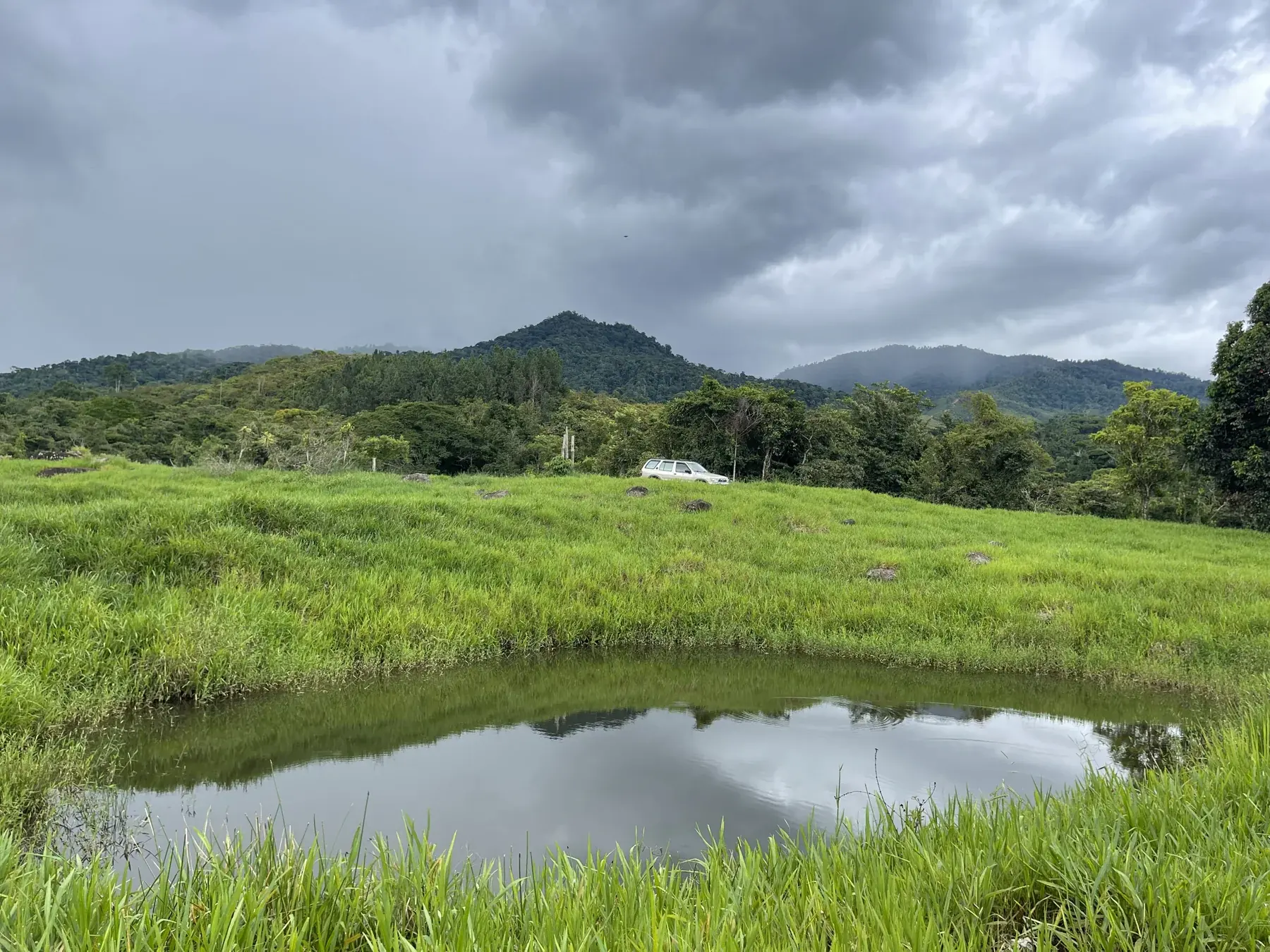
Choose an overview that includes durable landmarks. A close-up of a leaf or pipe can be valuable evidence, but it rarely explains how to find the place. Pair it with a wider view when recognition matters, and give the pair distinct captions.
When setting up a repeat viewpoint, record where you stand and the direction you face. A reference feature in the frame can help you reproduce the view. Record changes such as a removed tree or a moved gate so that the next comparison does not quietly switch location.
The US Forest Service’s photo-point handbook emphasizes locating monitoring points, documenting the method, and repeating the view precisely. The same discipline is useful when a homestead journal needs photographs that remain interpretable across seasons. US Forest Service: Photo Point Monitoring Handbook.
These photographs do not have to become a formal monitoring project. Start with the places where a repeat view answers a real question. The aim is to reduce future uncertainty, not to create a photography obligation at every named corner.
Keep the names useful as the homestead changes
Review the place list when you notice repeated filing friction. If you keep hesitating between two names, clarify their descriptions or combine them. If one place contains several unrelated histories that are difficult to retrieve, divide it from a documented date.
Retire places without deleting their records. An old enclosure may no longer exist, but its history can still explain soil conditions, fencing choices, or animal movements. Mark its active period and link its successor. A record of change is more useful than a map that pretends the current arrangement always existed.
Keep the list portable. You should be able to export, print, or copy the names and descriptions, along with enough reference photographs to recognize them. A simple place index can also help another person understand your notes without a guided tour of every corner.
This week, name the three places you visit most, add one overview photo for each, and file your next observation under those names. Use the homestead field journal routine to make capture consistent. Then try finding one place’s history before you walk out to it again.
Keep your place list in any format that works for you. To explore Soil Journal’s current approach, visit soiljournal.com.