A homestead repair log records where a problem occurred, what you observed, what was tried, which parts were used, and what happened afterward. It gives the next repair a starting point. When the gate rubs again or the pump behaves differently, you can consult a history instead of repeating the same uncertain first steps.
The record can be brief. A useful repair trail often consists of an observation, a photograph, an action, and a later check. Keep those events connected to the same place or object, and preserve the difference between a suspected cause, an attempted fix, and a verified result.
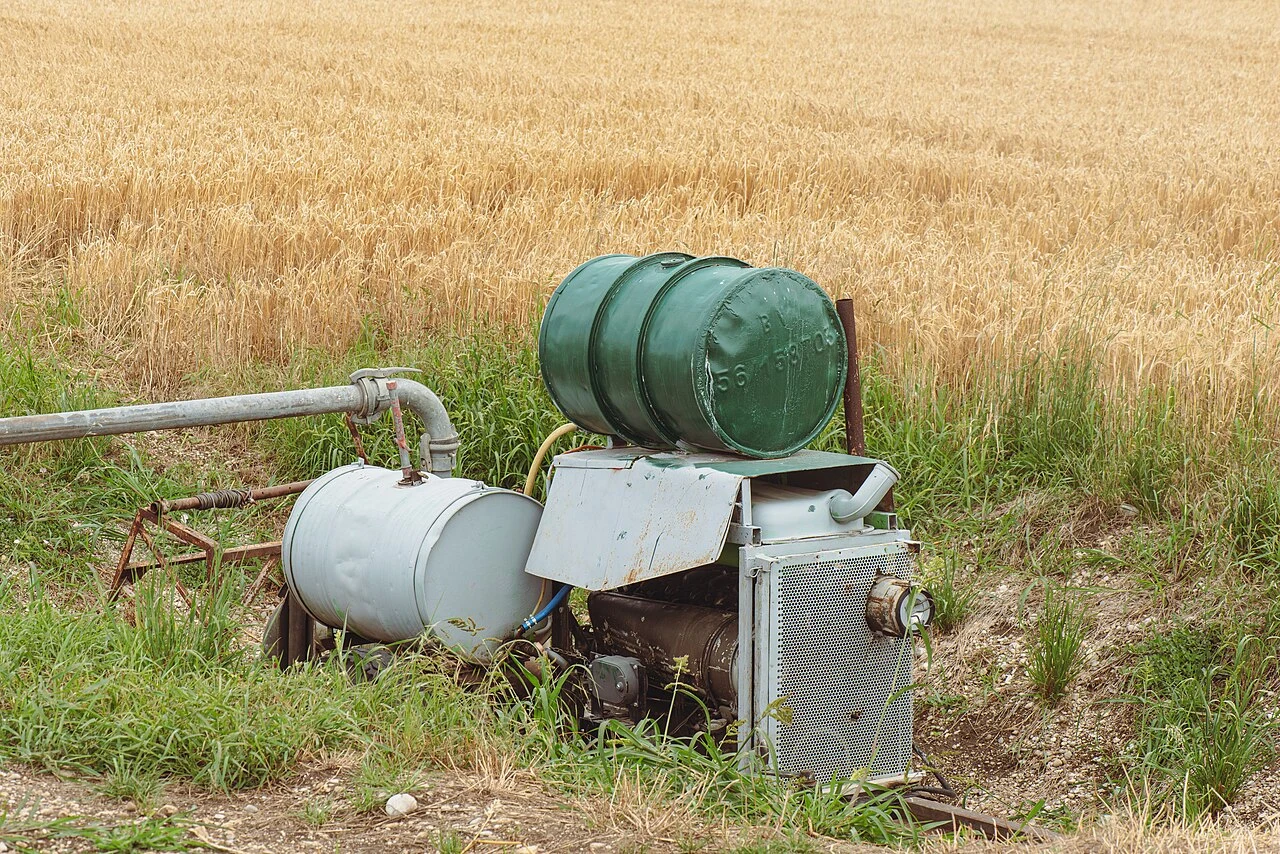

What belongs in a homestead repair log?
Start with the place and the specific part. “North Gate, lower catch” is more useful than “fence problem.” “Pump Pad, outlet connector” is more useful than “water.” Add the date, conditions, and symptom as you observed it.
Then record the action actually taken. You may have inspected the part, obtained a replacement, asked for advice, or carried out a repair. Each is a different event. “Bought connector” should not be recorded as “fixed leak.” The timeline needs to show what remains unresolved.
Keep identifying details when they will help the next visit: model, readable part number, material, measured dimensions, or the supplier’s description. Preserve the source of the information. A label you photographed is different evidence from a fitting size you estimated by eye.
Finish with the result and a next check where appropriate. Describe the conditions under which the result was observed. “No dripping visible during one watering cycle” is a bounded, useful statement. “Permanently fixed” usually goes beyond what a single check can establish.
Begin with the symptom, not a confident diagnosis
Describe what happened in ordinary language. Did the gate scrape, fail to latch, or move against the post? Did a pump stop, make an unfamiliar sound, or deliver less water than usual? Did a hose show a split, or was there simply water nearby?
Keep observations separate from explanations. “Pump stopped after several minutes” does not establish an electrical cause. “Water below connector” does not prove the connector is the source. Record a suspected cause as a hypothesis until someone with appropriate competence has checked it.
This article concerns records, not repair procedures. Around electrical equipment, pressure systems, or unstable structures, follow the equipment guidance and obtain qualified help when needed. Do not operate a faulty system or approach a hazard simply to improve a photograph or complete a journal entry.
The best note for a technician may be a precise account of timing, conditions, and previous work. Record only what you safely observed. If someone else diagnosed the issue, attribute that finding and keep any report or invoice with the repair trail.
A fence repair log should identify the same point every time
Fences stretch across places, so name the location narrowly enough to return to it. A gate, corner, crossing, or numbered post can provide a durable reference. Add a wider photograph showing nearby landmarks, then a closer image of the relevant part.
Record the state in which you observed the problem: open or closed, dry or after rain, with or without the usual load where relevant and safely observable. Those details may explain why a problem appeared on one visit and not another.
Demo · 6 April, North Gate. Lower edge contacts the catch when the gate closes after overnight rain. Wide photo and catch detail saved. No adjustment made. 8 April: competent repairer adjusted the catch position; original and new positions documented. 10 April: closes during dry-weather check. Wet-weather result still unverified.
That last sentence matters. It prevents a dry-day check from quietly closing a problem noticed under wet conditions. The next action is specific: observe the same gate under comparable circumstances, without assuming in advance that the first adjustment succeeded.
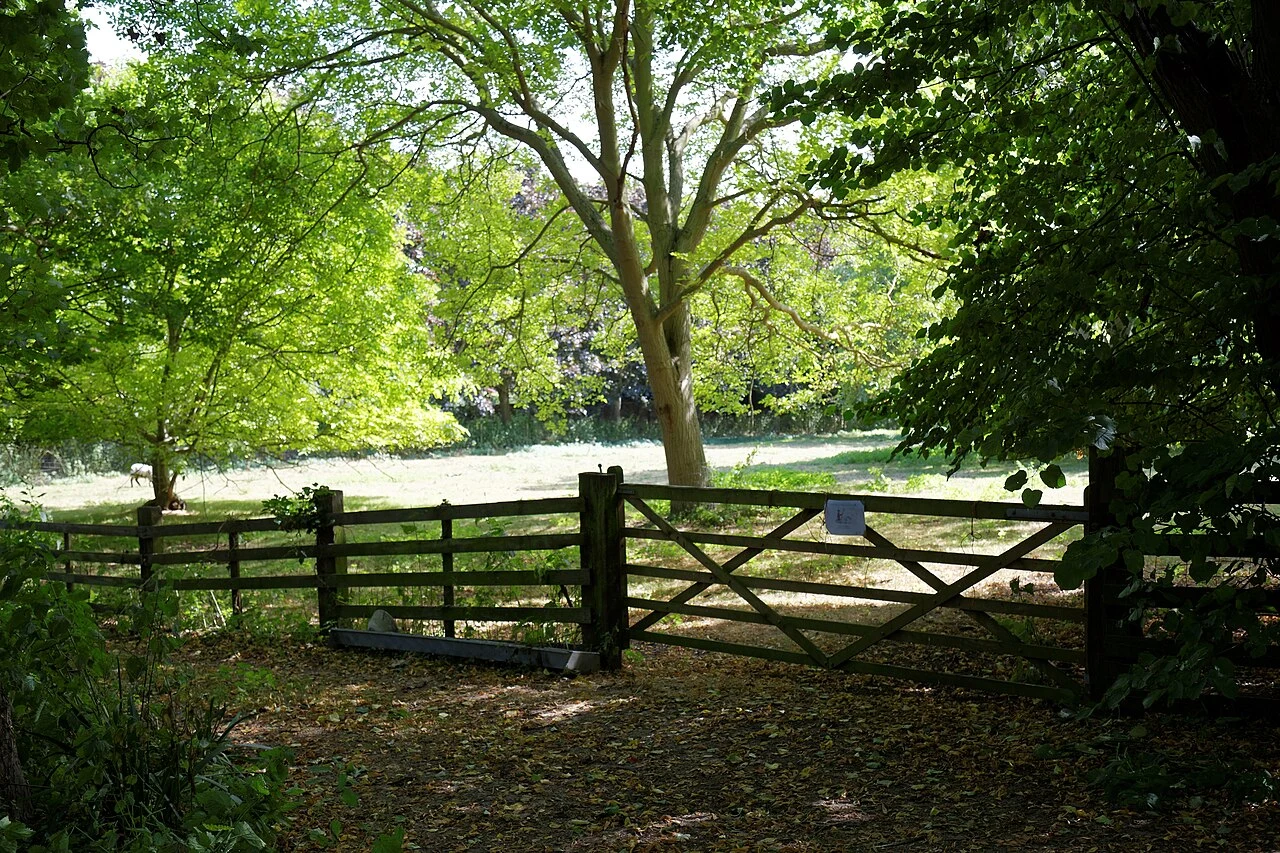

Pump repair notes should preserve the operating context
A useful pump entry identifies the unit and the part of the system involved. Record the model or label only if you can read it accurately and safely. If the label is inaccessible, state that rather than approaching equipment unnecessarily.
Describe what was in use when the event occurred and what you actually noticed. Keep measured information separate from impressions. “Flow seemed lower than on the previous visit” is different from a timed volume measurement performed with a consistent method.
Preserve the sequence of service and replacement work. If a technician changed a component, retain the description supplied and link the paperwork. If the cause was not established, leave it unresolved. A paid visit or a new part does not itself prove which fault caused the symptom.
Demo · Pump Pad. Unfamiliar stop during an observed cycle; unit left out of use pending appropriate inspection. Service report later identifies the action taken. Report and part label filed. Subsequent check records whether the same symptom was seen under the observed conditions. No electrical troubleshooting instructions or diagnosis are implied by this example.
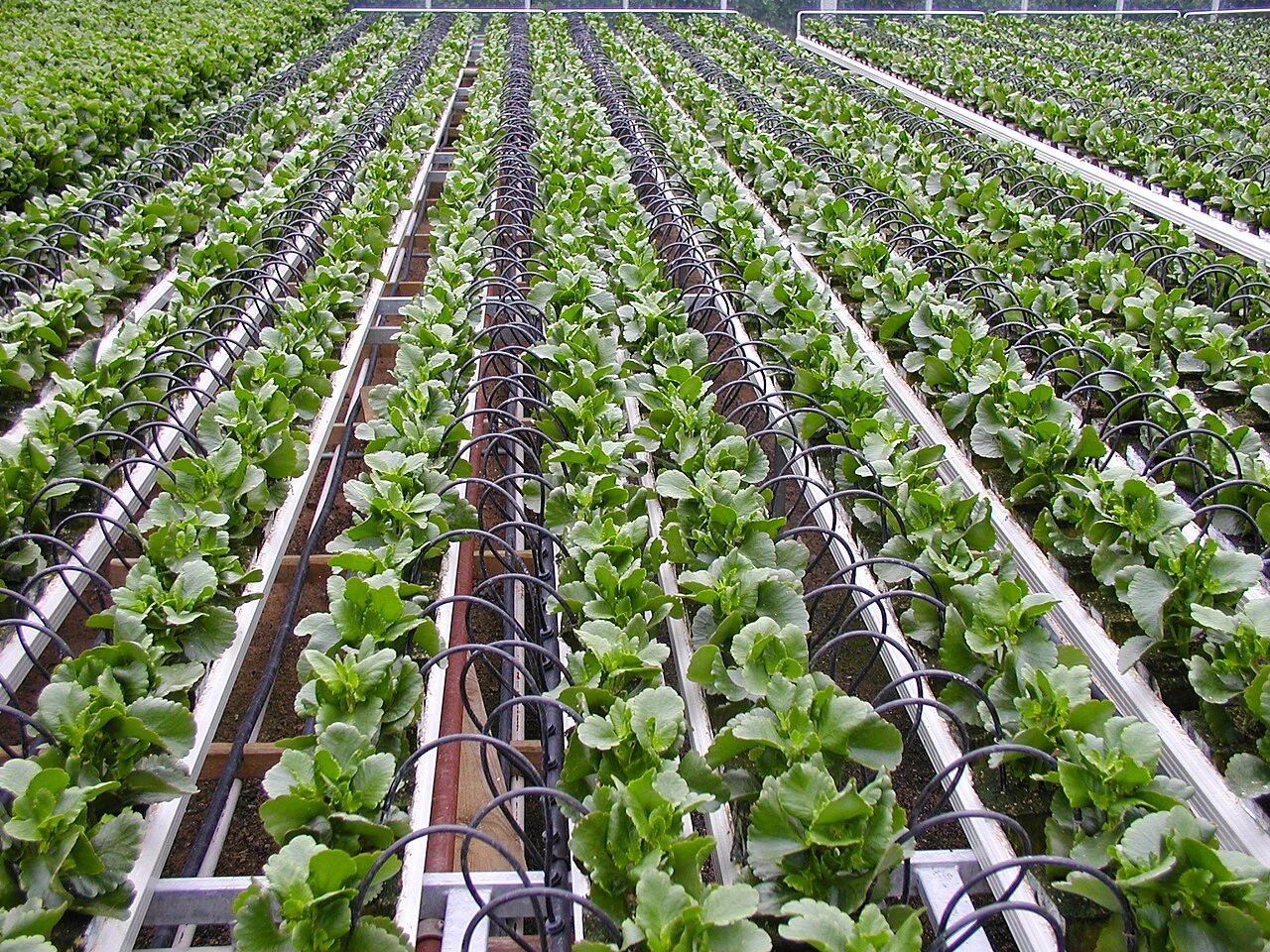
Record irrigation repairs with compatible-part evidence
For a small irrigation problem, include a wide view of the branch and a detail of the relevant connection. Identify the line consistently: “Orchard Row A, second connector from tank.” That description is more useful than “the little black connector,” especially after the layout changes.
Keep the specification used to select a replacement. Nominal sizes, measured dimensions, and different connection types should not be treated as interchangeable. If you asked a supplier or installer to identify the part, record their recommendation and the evidence they used.
Write down what did not fit. A failed purchase is useful information when it prevents the same mistake next season. Keep the rejected item distinguishable from the installed one, and record whether it was returned or stored for another purpose.
After a repair, record the check performed by the person responsible for the work. A photograph can support the note, but it should not replace the written observation. “Joint dry during observed use” tells the next reader more than a picture of a clean connector on a bench.

Keep parts and tools connected to the repair
A repair often leaves behind useful belongings information: which spanner fit, where the spare seal lives, or which connector should be kept for reference. Record those details while the tools are still out. A photograph of the shelf can help if its location is clearly named.
Use a simple storage description such as “Workshop, left cabinet, upper parts bin.” If the item moves, add a dated location update. Do not rely on the repair entry alone to imply that a tool is still where it was months ago.
If you use the last spare, make that visible. You do not need a full stock-accounting system to record “last compatible connector used; no replacement spare confirmed.” That statement creates a clear purchasing question without pretending to know the contents of every container.
The named places guide can help establish storage locations, while the notes-to-tasks guide shows how to turn a missing spare into an explicit next action. Keep the purchase and the installation as separate events.
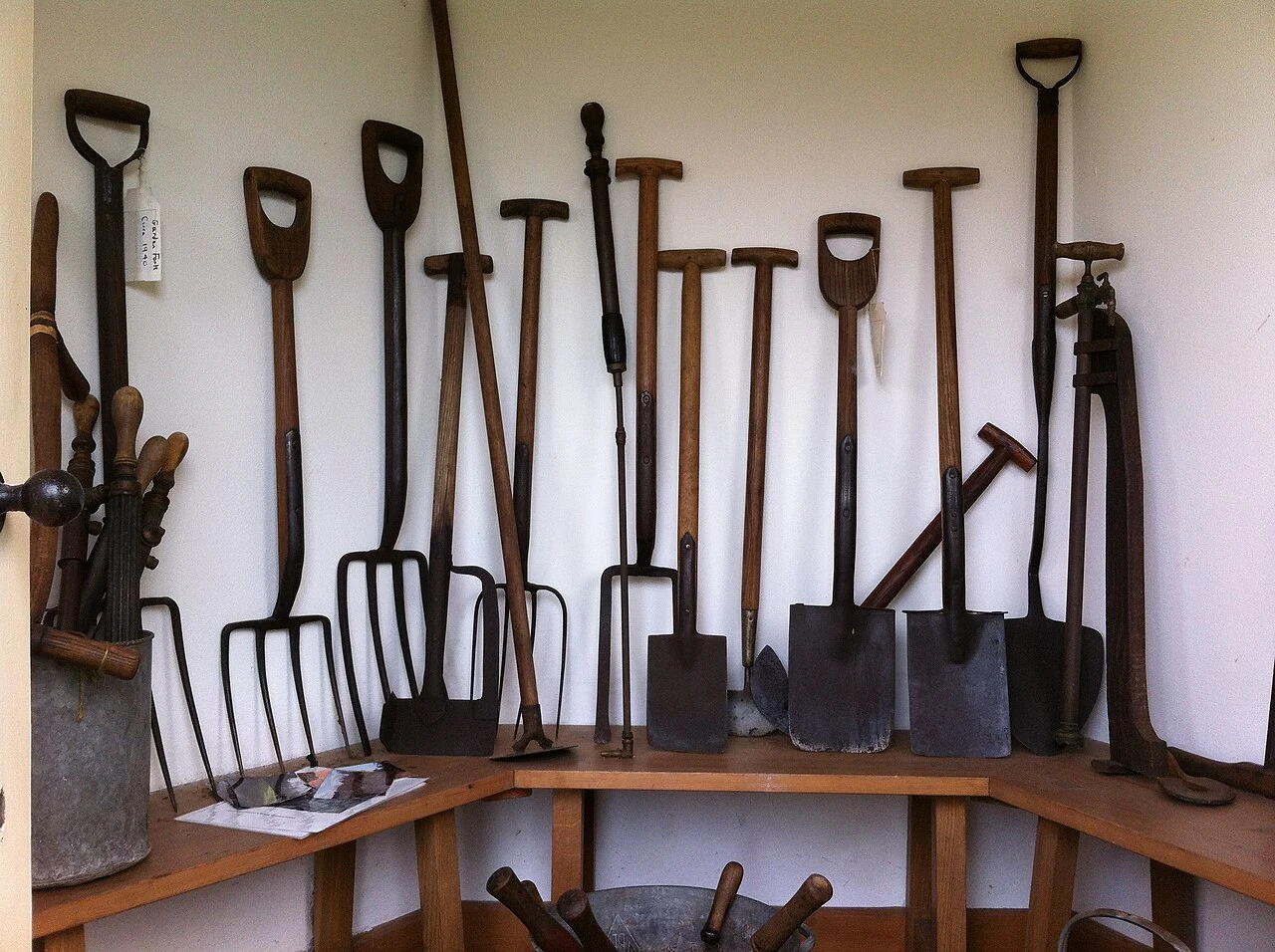

Photograph a sequence without inventing a result
Use “before,” “during,” and “after” only when the images actually document those stages of the same work. If the first photo was taken after the repair began, say so. Archive and licensed photographs can illustrate this method, but they cannot prove that a fictional example occurred.
Retain originals when you add arrows or labels for communication. A close-up may need an annotation to explain the feature, but the unaltered photograph preserves the broader evidence. Keep important part numbers in text so that they remain searchable.
Check that attachments are available at a useful size after filing. A thumbnail may conceal an unreadable label, and a saved note may still have pending media. The photo journal guide covers this check in more detail.
Connect the repair to where tools and spare parts live. The homestead belongings log shows how a workshop photograph and a linked bin keep the next repair from starting with a hunt.
Close the repair without erasing uncertainty
At completion, write what changed, who performed or reported the work, and what was checked. Include an unresolved question if the relevant condition has not returned. You can close an installation task while leaving a verification task open.
Keep failed attempts in the trail. They explain why the eventual approach was chosen and prevent repeated purchases or adjustments. A record that contains only the final success may look tidy but omit the information most useful during the next failure.
When a problem recurs, link the new incident to the earlier one. Compare symptoms and conditions before assuming it is the same cause. A familiar location does not guarantee a familiar fault, but its history gives the inspection a better starting point.
Retire replaced equipment without deleting its past. Record when the old unit left service and which unit replaced it. That distinction prevents a part number or service instruction from being mistakenly carried forward to a different model.
Start with the next thing you are already fixing
Choose one current repair and gather its essential fragments: place, symptom, photos, parts, actions, and result. Record unknowns honestly. You do not need to reconstruct every repair the property has ever had before making the next one easier to understand.
Before the following visit, read the trail. Can you identify the part, distinguish attempted work from checked results, and see the next action? If so, the log is doing its job. If not, add the missing information while the repair is still recent.
Keep your repair history in any format you can retrieve at the place where it matters. Explore the current Soil Journal experience at soiljournal.com.