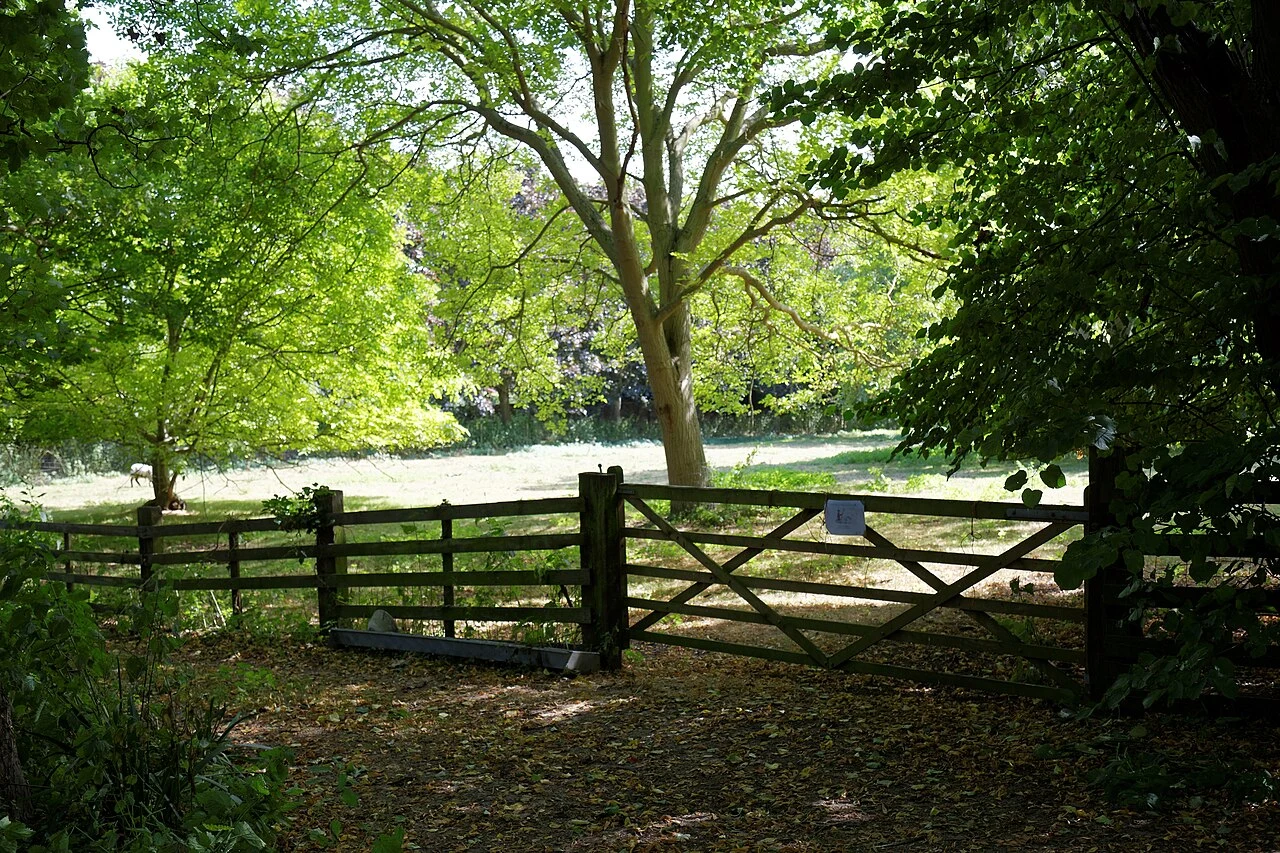
To turn notes into tasks, preserve the observation and write a separate next action that explains what you will do, where you will do it, and what will count as finished. “Gate sticking” is an observation. “Inspect North Gate’s lower catch after the next rain and record whether it rubs” is an action you can recognize and complete.
This small distinction prevents useful field notes from becoming a quiet archive of unresolved work. You do not need a complicated project system. You need a short list of actions connected to the records that explain why those actions matter.

Which notes should become tasks?
A note needs a task when it creates a specific commitment. You noticed something that requires inspection, intend to repeat a measurement, need to obtain information, or decided to carry out a job. A record of completed work does not automatically need another task.
Leave ordinary observations as observations unless you have a reason to return. If every photograph becomes a reminder, your action list will become as difficult to review as the original journal. The question is “What have I decided needs to happen?” rather than “Could I possibly do something about this?”
Separate curiosity from responsibility. “Would beans grow better here?” can remain a question for seasonal planning. “Check whether Bed 2’s irrigation branch is delivering water” concerns a current problem. Both deserve a place in the journal, but they do not need the same urgency or review rhythm.
When a situation needs immediate attention, respond to it first. Recording an urgent animal concern or a hazardous condition must not become a reason to postpone appropriate help. A task supports follow-through; it does not make a situation safe by putting it on a list.
Write actions that can be finished
Begin with a concrete verb: inspect, photograph, measure, call, obtain, compare, or replace where appropriate. Add the place and the part or subject. Then define the evidence that will let you close the task.
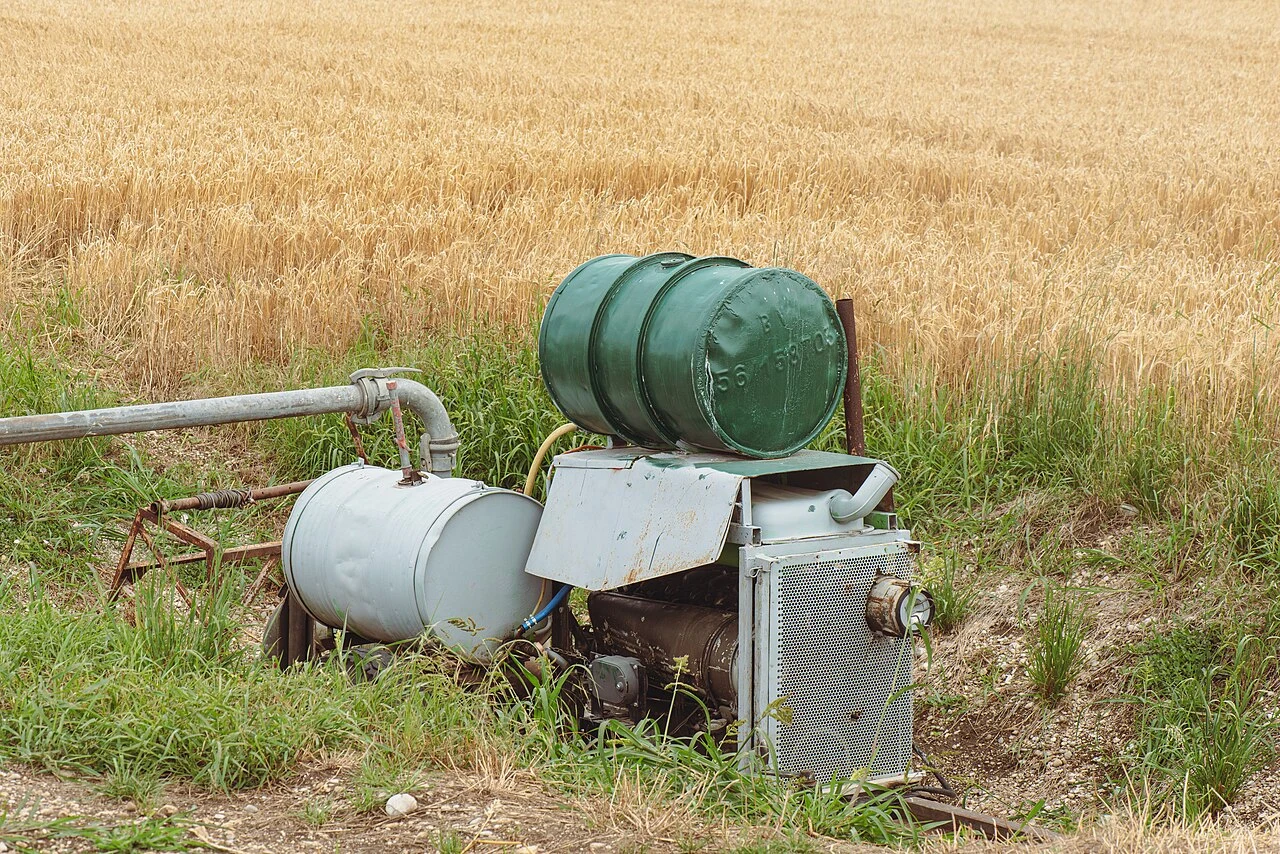
“Sort irrigation” is too broad. “Identify the outlet fitting at Pump Pad and save its readable label” is manageable. It finishes when the identification is recorded, even if a separate purchase or repair is still needed. Splitting those steps prevents a half-finished job from appearing either untouched or fully completed.
Use the smallest next step that moves the issue forward. If you do not know which replacement part is compatible, the next task is to establish that information. Ordering a guessed part only creates more activity. Good homestead follow-up tasks make uncertainty visible rather than disguising it as a large project.
Keep the wording understandable away from the original moment. “Check it tomorrow” requires you to remember what “it” means. “Check Bed 2’s three wilted seedlings tomorrow morning; compare with the 14 May photo” carries the necessary context.
Keep homestead task notes connected to their source
The source note contains the observation, photograph, conditions, and reasoning. The task contains the commitment. Connect them with a link, record identifier, page reference, or clear shared title. Do not copy the entire history into the task if you can refer to it reliably.
When the task changes, preserve the reason in the record. You might move a check because the relevant rain has not arrived, or change a repair plan after seeing the part label. A short update explains why the action you eventually took differs from your first intention.
Demo · Source note: North Gate rubs against lower catch after rain; closes freely in dry weather. Task: inspect the catch during the next wet-weather check, photograph contact point, and record whether alignment changes. Completion evidence: dated observation and photo added to North Gate history. Next decision: adjust only after the cause is understood.
This task does not assume that adjustment is the right repair. It identifies the information needed before making that choice. The homestead repair log guide shows how an inspection, an attempt, and a later check can become one understandable trail.

Choose a useful trigger or due date
Some actions have a genuine calendar deadline. Others depend on a condition: after the next irrigation cycle, when the part arrives, or before animals return to a particular area. Record the trigger that actually matters.
If your tool only supports dates, choose a review date and describe the condition in the task. “Review Friday; inspect after next sustained rain” is more honest than implying that Friday itself makes the observation meaningful. At review, you can tell whether the condition occurred.
Avoid giving every idea an arbitrary tomorrow deadline. When the whole list is overdue, the dates stop conveying useful information. Reserve deadlines for actual commitments and use a separate “consider later” list for ideas you have not chosen to act on.
State dependencies in plain language. “Waiting for compatible fitting” is enough when one person manages the work. Keep the next action explicit: check delivery, ask the supplier, or identify another source. Waiting is a status, but it should not become a place where unfinished work disappears.
Distinguish recurring care from one-off follow-up
Recurring care describes work you expect to repeat, such as a regular water check. A one-off follow-up responds to an exception, such as an unusual change at one trough. They can share a place, but they answer different questions.
Do not let a recurring check close the exception automatically. “Water checked” may mean the routine walk happened. It does not prove that the specific issue was resolved. The exception needs a result tied to its original observation.
Likewise, a completed repair may create a later verification task. Record the installation as done, then keep the outcome check visible. This is especially useful when the relevant conditions will only occur later, such as a full cycle of use or the return of wet weather.
If the same one-off problem returns repeatedly, review the history. Perhaps the repair did not address the cause, the inspection was too vague, or the system needs a different approach. The record should help you recognize recurrence instead of treating each incident as unrelated.
Keep a list sized to the decisions you can make
During a weekly review, separate actions you can do now, actions waiting on something, and ideas you have not committed to. You can implement those distinctions with headings on paper. The exact labels matter less than being able to see why a task is still open.
Choose the next few actions according to consequence, timing, and available resources. A short visit to the workshop might resolve several identification or storage questions. Grouping work by place can reduce repeated trips, provided it does not delay something more urgent elsewhere.
Keep shopping linked to the job it supports. “Connector for Pump Pad outlet; specification in repair note” is more useful than “plumbing bits.” Once bought, record where you put it. The named places method can give a spare-parts shelf a recognizable home as well as the broken component.
Do not mistake a shorter list for a healthier system if you achieved it by hiding difficult tasks. Cancel work you no longer intend to do and record why. Defer work deliberately with a review point. Finish work by recording the result. Each action leaves a different, useful history.

What should a completion note say?
A completion note should answer what you did, when you did it, and what you observed afterward. Include parts, quantities, or measurements only where they matter to a future decision. If someone else carried out the work, identify the source of the information rather than writing as if you observed every step.
“Checked three seedlings; two upright, one still wilted” is a result. “Done” is mainly a status. The fuller note may lead to another action, but it also closes the original promise to inspect those particular plants.
Record unsuccessful attempts clearly. “Replacement connector did not fit; original part retained; no repair completed” prevents someone from assuming that the purchased item is now installed. Failure to solve the problem is still useful information when it narrows the next step.
If no action was taken because the observation could not be repeated, say that. “No rubbing visible during dry-weather visit; wet-weather check still open” is better than closing the whole issue. A task is complete when its stated purpose is met, not merely when you have spent time thinking about it.
Run a weekly review that clears ambiguity
Open the last week’s notes and look for phrases such as “check later,” “need to,” and “might be worth.” Decide which represent commitments. Create or clarify their next actions, leaving ordinary observations in the history.
Review overdue and waiting work. Has the relevant condition occurred? Is the next step still appropriate? Did you actually finish the job but fail to record the result? Often the most useful review action is a short clarification, rather than adding more tasks.
Then inspect completed actions that required a later check. Make sure those checks exist and refer back to the correct place. Finally, choose the small set of actions you intend to move forward before the next review. The homestead belongings log turns restock and put-away notes into the same thin follow-up pattern.
If you have no recent journal habit, begin with the field journal starter. A clear observation makes a better task than a reminder created from a vague recollection.
Try the method on one unfinished job
Find one note that still leaves you wondering what happened. Write the next action in a sentence, give it a real trigger or review date, and connect it to the source. When you act, add the result to the same history.
The benefit is not simply checking a box. It is being able to return to a place and understand why work began, what you attempted, and what the evidence now supports. A modest list of clear commitments can do that without turning the homestead into an administrative project.
Use the method on paper or in your preferred digital record. To explore Soil Journal’s current experience, visit soiljournal.com.