Soil observation notes record what you can see, feel, and measure at a known place, along with the conditions that shaped the observation. They help you remember where water lingered, when compost was applied, how the surface changed, and what the next crop did. A useful soil rebuild diary connects those details without pretending that one photograph proves healthier soil.
Begin with a question small enough to revisit: Is this bed’s surface becoming less crusted? Does water keep collecting near the path? Are roots following the same shallow layer? Choose a repeatable observation point and record the starting conditions before you decide what improvement would look like.
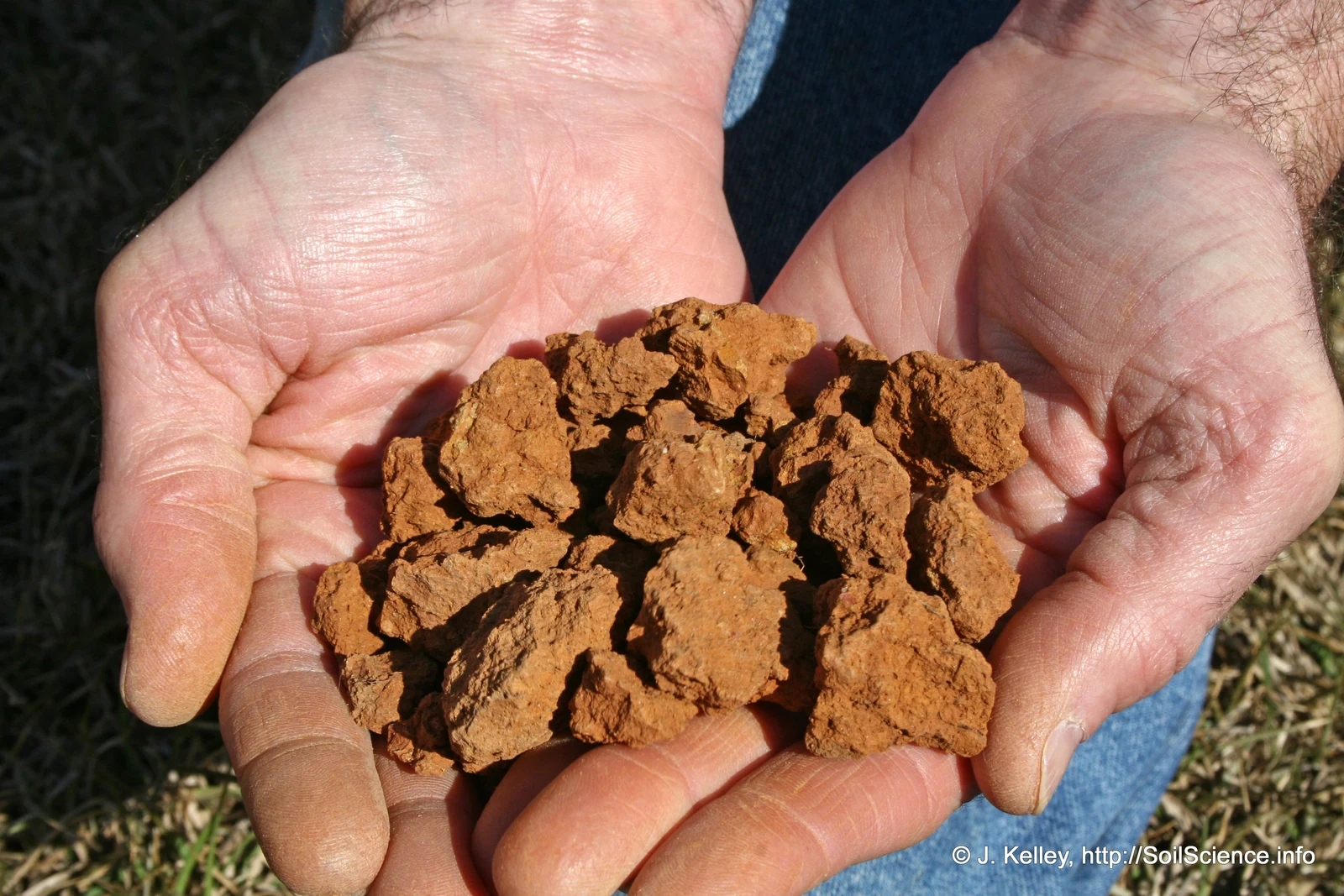

What can soil observation notes tell you?
They can document change, identify recurring conditions, and help you ask better questions. They can also show where your evidence is incomplete. An entry saying “surface damp after overnight rain; deeper layer not examined” is a limited observation, but a reliable one.
They cannot establish every aspect of soil health by appearance. NRCS describes soil health assessment through multiple indicators, including physical, chemical, and biological properties. No single outcome captures the whole picture. A journal should therefore preserve observations as clues, with appropriate measurements or testing when a decision needs more evidence. NRCS: Soil Health Assessment.
Keep observation and explanation separate. “Water remained in the wheel track an hour after rain” describes an event. “Compaction caused the ponding” is an interpretation that may need investigation. Recording both is useful if you label the second as a possibility rather than a conclusion.
Avoid a single invented score that hides the underlying detail. A bed rated “7 out of 10” is hard to compare if your personal scale changes. The record is stronger when it says what was observed, where, under which conditions, and by which method.
Choose places you can return to
Start with one or two locations tied to real decisions. A regularly worked bed and an area with a recurring problem make useful candidates. Record a recognizable position within each place, such as the midpoint beside the western path, rather than only the bed name.
Take an overview photograph showing how to find the point. Add a ground-level view if it helps document cover or surface condition. Record the direction and framing so that the next image is comparable. The homestead photo journal guide explains the repeat-view method.
Keep the observation position consistent, but recognize that digging changes the sampled spot. For repeated small excavations, describe a consistent nearby sampling approach rather than repeatedly disturbing exactly the same hole and treating it as untouched soil. Record where each sample came from.
Do not select only the best-looking area. If your concern is variability, choose clearly identified locations that represent the difference you are investigating. Keep their records separate so that a wet corner does not disappear inside an average description of the whole bed.
Record the conditions before describing the soil
Write the date, recent weather, surface moisture, and relevant recent activity. Rain, irrigation, digging, traffic, and fresh mulch can affect what you see. If the weather information is remembered rather than measured, say so. “Several wet days” is acceptable when you did not record rainfall totals.
Record how deep you looked and what tool or method you used. A surface photograph and a shallow shovel sample observe different things. If you compare them later, you need to know that difference. Use consistent units for any dimensions or quantities.
Describe recent management without assuming its effect. “Compost spread three weeks ago” is context. “Compost fixed the structure” is a conclusion that the date alone cannot support. A journal preserves the sequence so that you can look for a pattern across multiple observations.
Demo · 11 March · Bed 2, midpoint beside western path. Light rain overnight, amount unmeasured. Surface damp; no digging here since the previous crop was removed. Small sample examined to about 15 cm. Roots visible mainly in upper portion. Several firm clods remain when handled gently. No cause assigned; repeat under comparable moisture conditions.
The exact dimensions in this example are part of the fictional record, not a universal sampling prescription. Choose an appropriate method for your question and keep enough detail to repeat it meaningfully.
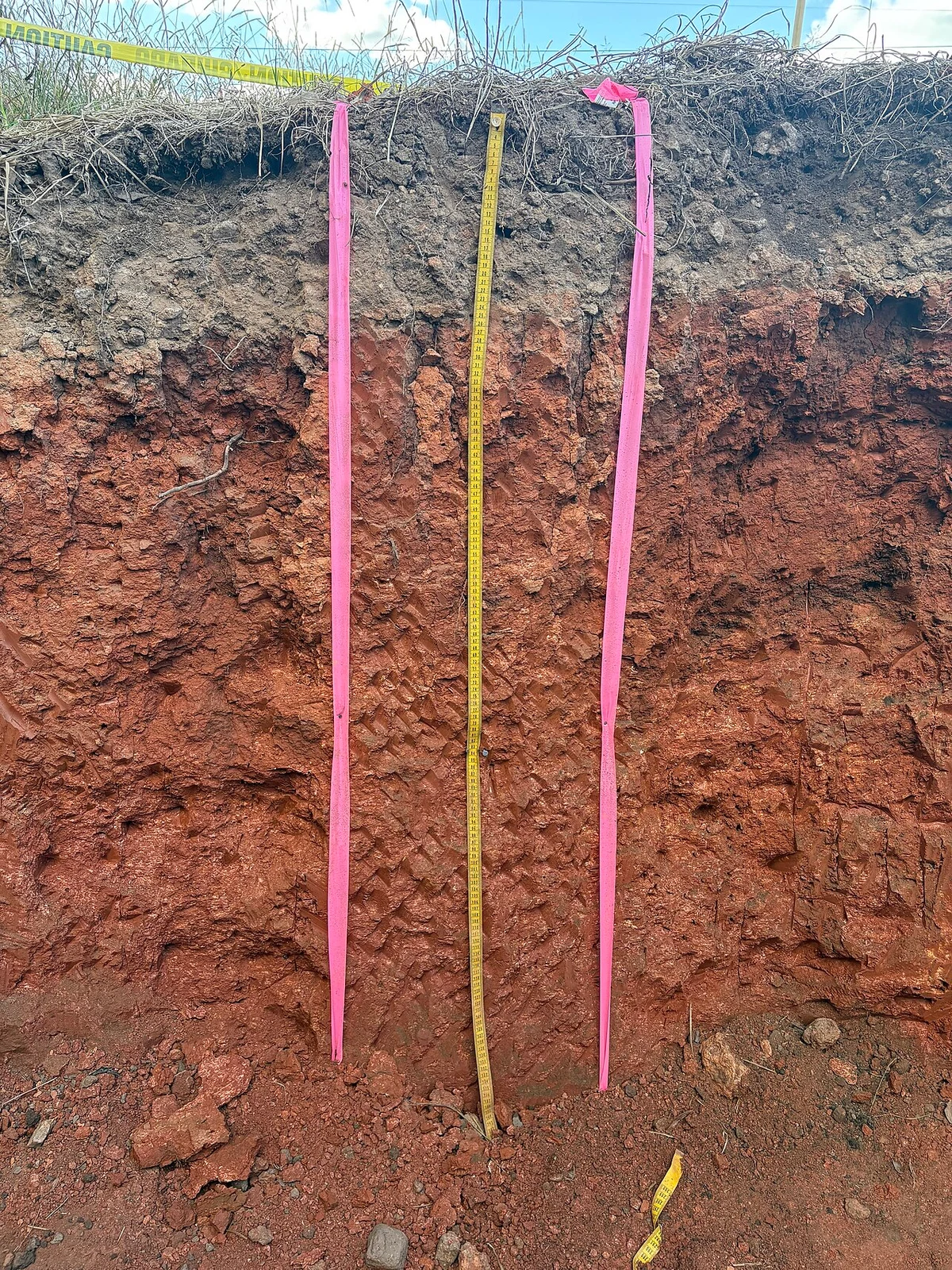

Use a short observation checklist
Record surface cover first: living plants, mulch, litter, and exposed soil. Describe the distribution as well as the amount. “Bare strip beside path” may be more useful than a guessed whole-bed percentage. If you estimate a proportion, label it as an estimate and use a consistent method.
Describe structure and visible roots in the material you actually examined. Note whether soil separates into small aggregates, holds in larger clods, or shows a distinct layer. Soil type and moisture influence these observations, so avoid applying a universal “good soil” appearance to every site.
Record visible organisms without treating their presence or absence as a complete verdict. If you count earthworms, record the sampled area or volume, depth, and conditions. “No worms seen in this small sample” is more defensible than “no soil life.”
Finally, note water behavior. Was the surface dry, moist, saturated, crusted, or visibly ponded? If you use an infiltration test, follow a documented protocol and retain its details. Casual timing with different containers, starting moisture, or water volumes does not produce a fair numerical comparison.
This checklist is an observation aid. It does not replace a soil test, local agronomic advice, or a site-specific assessment when you are making a consequential amendment or drainage decision.
Keep a compost application log with useful quantities
Record what was applied, its source or batch if known, the date, the receiving place, and the quantity with units. Describe the area covered. “Two buckets of compost” becomes more interpretable when you specify the bucket size and whether the material went across the whole bed or around a few plants.
If you do not know the weight, do not invent it from a guessed bucket conversion. A consistent volume measure may be useful for your own record if its limits are clear. If the amount was estimated, mark it as estimated. Distinguish a plan to apply material from an actual application.
Record other changes made at the same time. If you added compost, changed irrigation, and planted a different crop, a later difference cannot simply be assigned to the compost. Preserving those simultaneous changes makes the seasonal review more honest.
Demo · 16 March · Bed 2. Applied three level 10-litre buckets of finished compost from Bay A across the marked central section; quantity by volume, not weight. Surface application only. Section dimensions recorded separately. No recommendation implied by this example; follow-up is to observe the next crop and repeat photographs.
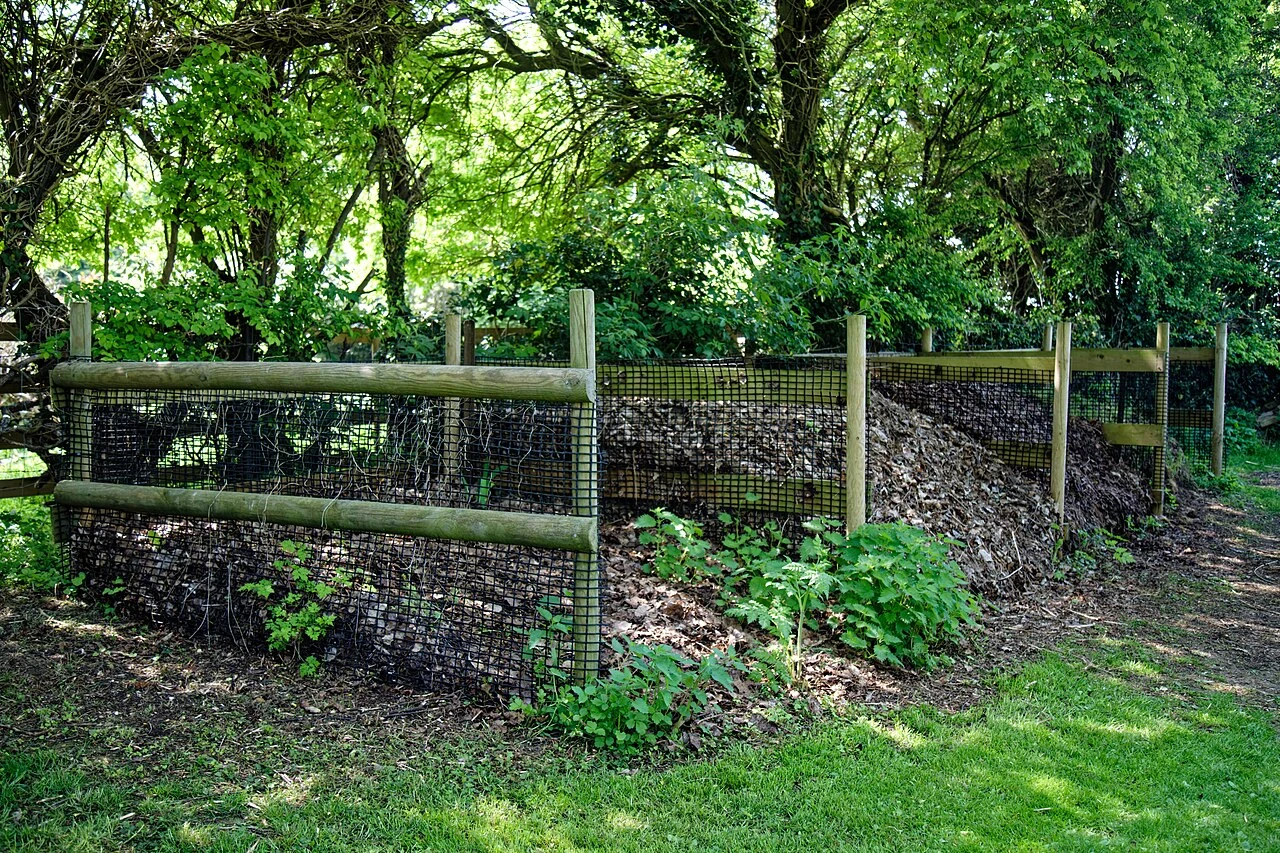

Connect crop response without claiming a controlled trial
Link the next planting to the place’s soil history. Record variety, planting date, meaningful establishment observations, and any changes in watering or management. If growth differs across the bed, identify where the difference occurs rather than averaging it away in a general “doing well” note.
The plant observation journal guide provides a way to record emergence, leaf changes, harvest, and failures. Linking that history to soil entries gives you a fuller sequence: conditions, intervention, crop, and observed result.
Treat informal comparisons carefully. Two beds may differ in shade, past use, crop variety, or water supply. Comparing them can generate a useful question, but it does not automatically isolate the effect of a single amendment. Record the differences you know and the ones you did not measure.
A valuable result may be “uncertain.” Perhaps the crop grew well, but the season was wetter and the variety changed. The next decision might be to improve the records or change only one manageable factor, rather than declaring a treatment successful on weak evidence.
Keep laboratory reports with their sampling context
Save the original report and a short note explaining where, when, and how the sample was collected. Preserve the laboratory’s units, method names where supplied, and sample identifiers. A number copied without its unit or depth may be difficult to interpret later.
Use the laboratory’s sampling instructions for the purpose of the test. If a sample combines material from several locations, record those locations. Do not attach the resulting value to each individual bed as though each was tested separately.
When comparing reports, check that sampling approach, depth, timing, and analytical methods are sufficiently comparable. If you do not know, retain the question rather than forcing a trend line. Ask the laboratory or an appropriate adviser when the interpretation affects what you will apply.
The journal’s job is to preserve the evidence and your decisions. It does not need to reproduce a laboratory system, assign a certification, or turn qualitative observations into a carbon claim.
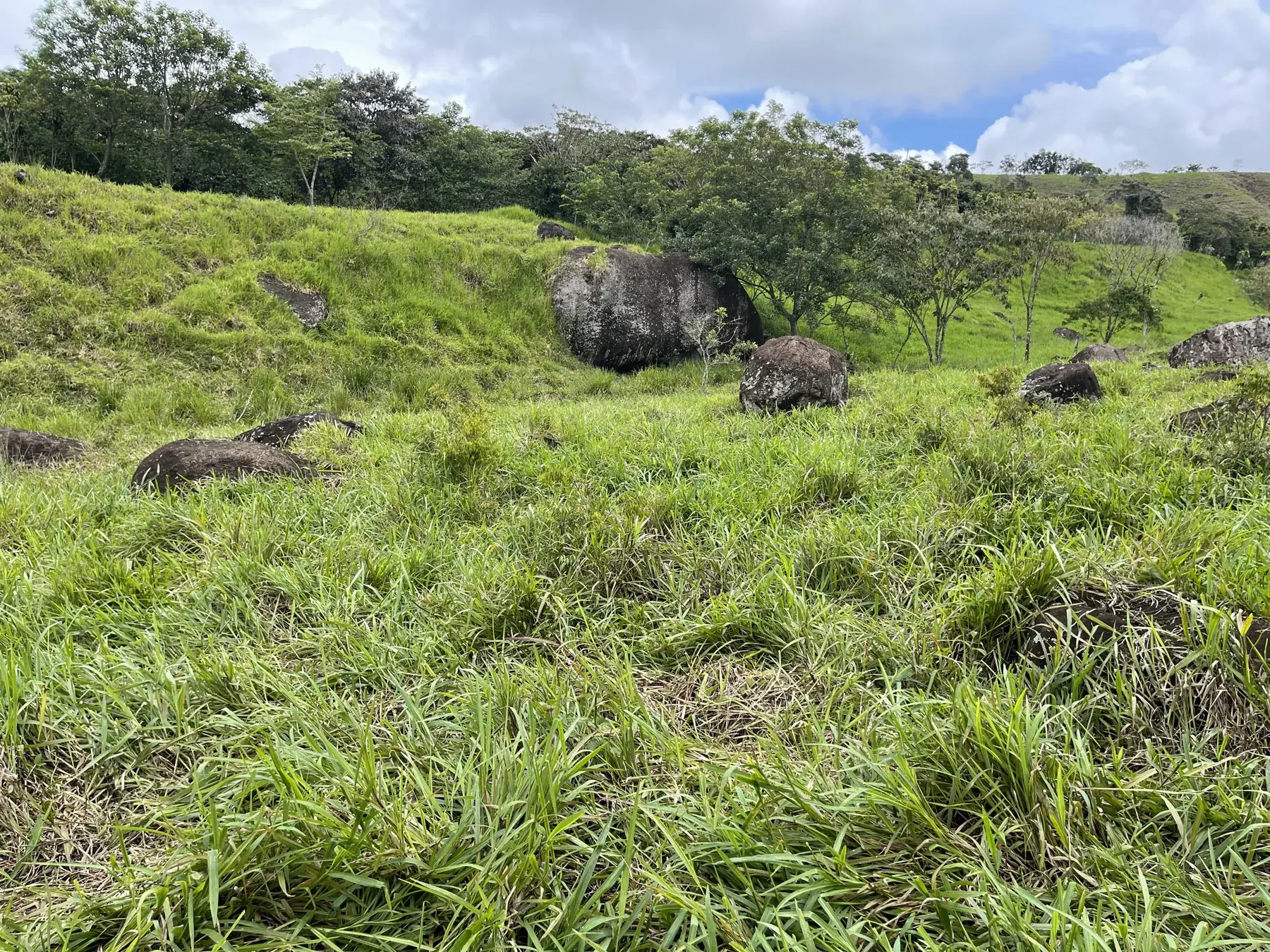
Review a season as a sequence of evidence
Open the place timeline and read the observation, intervention, crop, and follow-up entries in order. Compare photographs with their captions visible. Note where conditions match and where they differ. Ask whether your original question can now be answered more clearly.
Write three short statements: what you observed, what you think it might mean, and what you will do next. For example, repeated surface ponding may justify a more careful assessment. It does not require you to label the whole property’s soil as degraded or recovered.
Carry unanswered questions into the next season with a specific observation plan. The seasonal review guide helps turn a broad intention to “improve the soil” into a manageable next comparison. A regenerative farm journal can connect the same work with livestock movement, cover, and water records.
Begin this week with one place, one question, and one well-described starting observation. Keep the record wherever you can maintain it; explore the current Soil Journal experience at soiljournal.com.