A regenerative farm journal connects management actions with observations of the land over time. It can bring together paddock grazing notes, water conditions, soil observations, photographs, and the reasons animals moved. Its purpose is to help you understand the sequence of events and make the next decision with better evidence.
Start with one place and one question. You might want to understand how cover changes near a gate, whether a wet area is used differently, or what the paddock looks like after different periods without grazing. Record the conditions and the limits of your observations. A journal can support learning without claiming that every change proves regeneration.
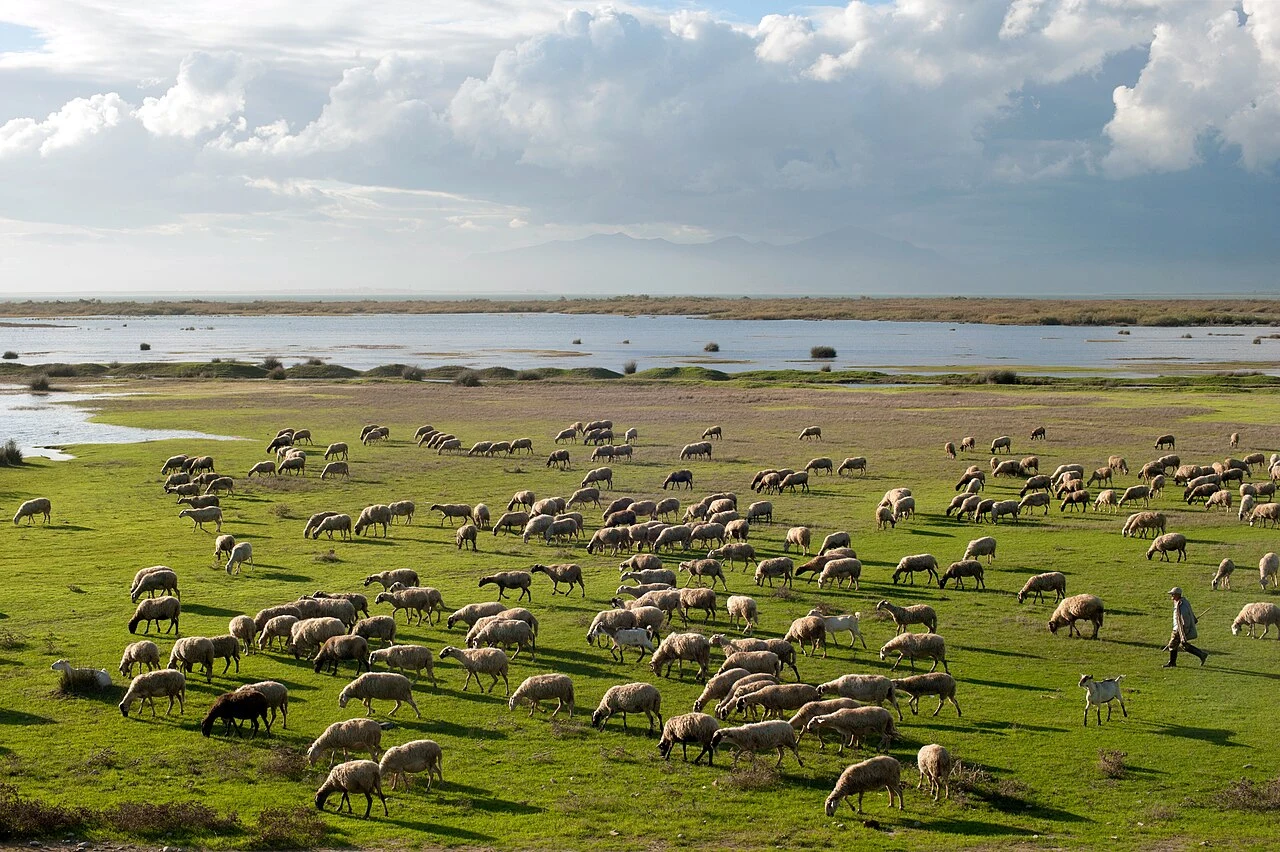

What should a regenerative farm journal connect?
Keep four histories close enough to read together: the land’s condition, management actions, animal presence, and weather or water context. A photograph of greener vegetation may look encouraging, but it becomes more interpretable when you know whether rain arrived, animals left, or the area was mown between visits.
The land record describes what you observed at a recognizable point. The action record describes what you did. The animal record identifies the group and where it was. The context record includes relevant rain, irrigation, disturbance, or changes in water access.
Do not require an entry in every category at every visit. Record what changes the interpretation. A quiet week can be documented briefly, while a move, a storm, or a new bare patch may deserve a fuller sequence.
Avoid treating the word “regenerative” as a measured result. Describe the practical objective: improve ground cover, understand water movement, preserve a resting area, or compare establishment after a management change. Clear questions create better records than a general promise to make the farm healthier.
Name the paddock and the observation point
Choose a stable place name, such as East Paddock. Within it, identify a few points that answer your question: inside the gate, near the water point, or a representative interior area. Keep problem areas separate from areas you use as general reference points.
Use an overview photograph and a short location description so you can return to the point. If you draw a sketch, align its names with your journal. The homestead place memory guide explains how to manage aliases, splits, and changing uses.
Record any boundary change that affects comparison. A paddock made smaller partway through a season is not the same management unit as before. Keep its earlier history and document the change rather than rewriting old records to fit the new arrangement.
For small properties, a few clearly named areas can be enough. Add mapping detail when it serves a real decision. You do not need an elaborate digital boundary system to preserve when a group entered, when it left, and what you saw afterward.
Keep paddock grazing notes with actual dates and times
Record the group, count if known, entry time, exit time, and relevant observations on arrival and departure. Use actual events rather than the planned schedule. If animals moved later than intended, preserve the reason if it matters to interpreting the result.
Include other uses of the area during the interval. Grazing by another group, mowing, vehicle traffic, or supplemental feeding can affect the history. A period without the main flock is not necessarily a period without disturbance.
| Record | Why it helps later |
|---|---|
| Group and count | Identifies which animals were present without treating all groups as equivalent |
| Actual entry and exit | Establishes the period of use and the start of the next interval |
| Arrival and departure observations | Connects animal use with the condition you actually saw |
| Other activity | Preserves mowing, traffic, feeding, or intervening grazing |
| Reason for moving | Records the decision and any constraint affecting it |
These fields support a record of management. They do not calculate a universally appropriate stocking rate or return date. Species, forage, soil conditions, weather, and local management goals all affect those decisions.
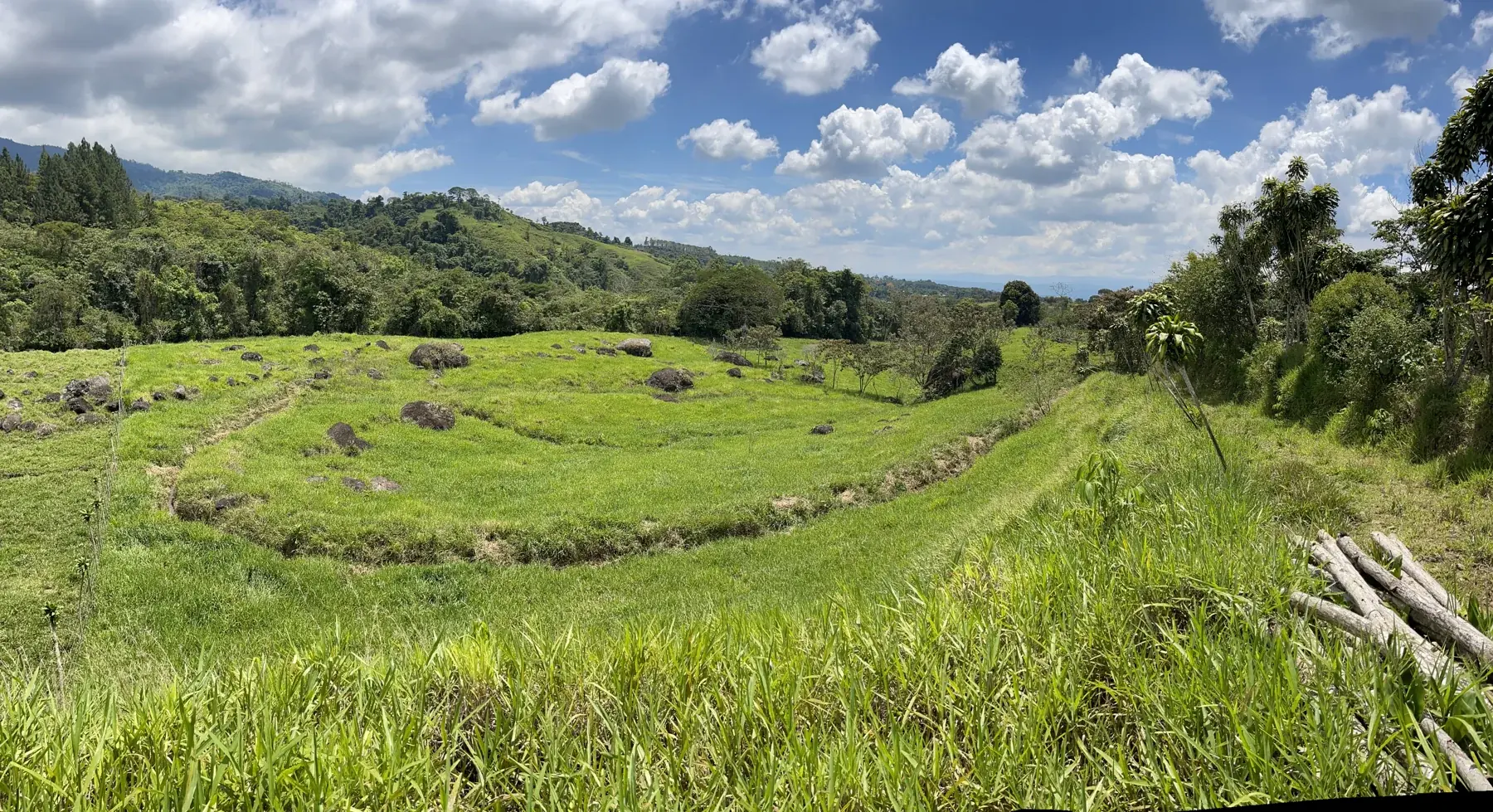
Record rest as an interval, then observe recovery
Elapsed time since animals left is useful information. It is not, by itself, proof that vegetation is ready for another grazing period. Keep the interval beside observations of the place rather than allowing a calendar count to replace them.
Demo · East Paddock: group left 2 May at 09:00 and returned 30 May at 09:00. Elapsed interval: 28 days. No intervening grazing recorded; mowing and other activity checked separately. Pre-return photograph and vegetation observations filed on 29 May. The 28-day interval describes this fictional history and is not a grazing recommendation.
Be consistent about how you count. If exact times matter, record them. If you only know dates, say the interval is based on dates. Do not count the exit day twice or silently include an unrecorded visit by another group.
At the return decision, record what you looked at and why you chose to proceed or wait. A future review can then compare the decision with later observations. Without that note, you may remember the interval but lose the reasoning that made it seem appropriate at the time.
Use pasture photo monitoring to preserve visible change
Choose repeat viewpoints that can answer your question. A gate view may reveal concentrated traffic. An interior view may help document broader vegetation appearance. Neither should automatically be treated as representative of the entire paddock.
Record the point, direction, date, season, and relevant conditions. Keep framing and scale comparable where practical. If the second view differs in light, moisture, or camera position, note that difference. Do not use unrelated archive images as a before-and-after sequence.
Texas A&M AgriLife describes photo points as a practical way for land managers to monitor rangeland over time. For a homestead journal, their value is a repeatable visual record connected to dated management notes. Texas A&M AgriLife: Range Monitoring with Photo Points.
Photographs can show visible patterns, but a top-down image does not directly measure everything happening in the soil or quantify forage availability. If you use a measurement method, record the protocol and its units. Keep qualitative notes clearly identified as qualitative.
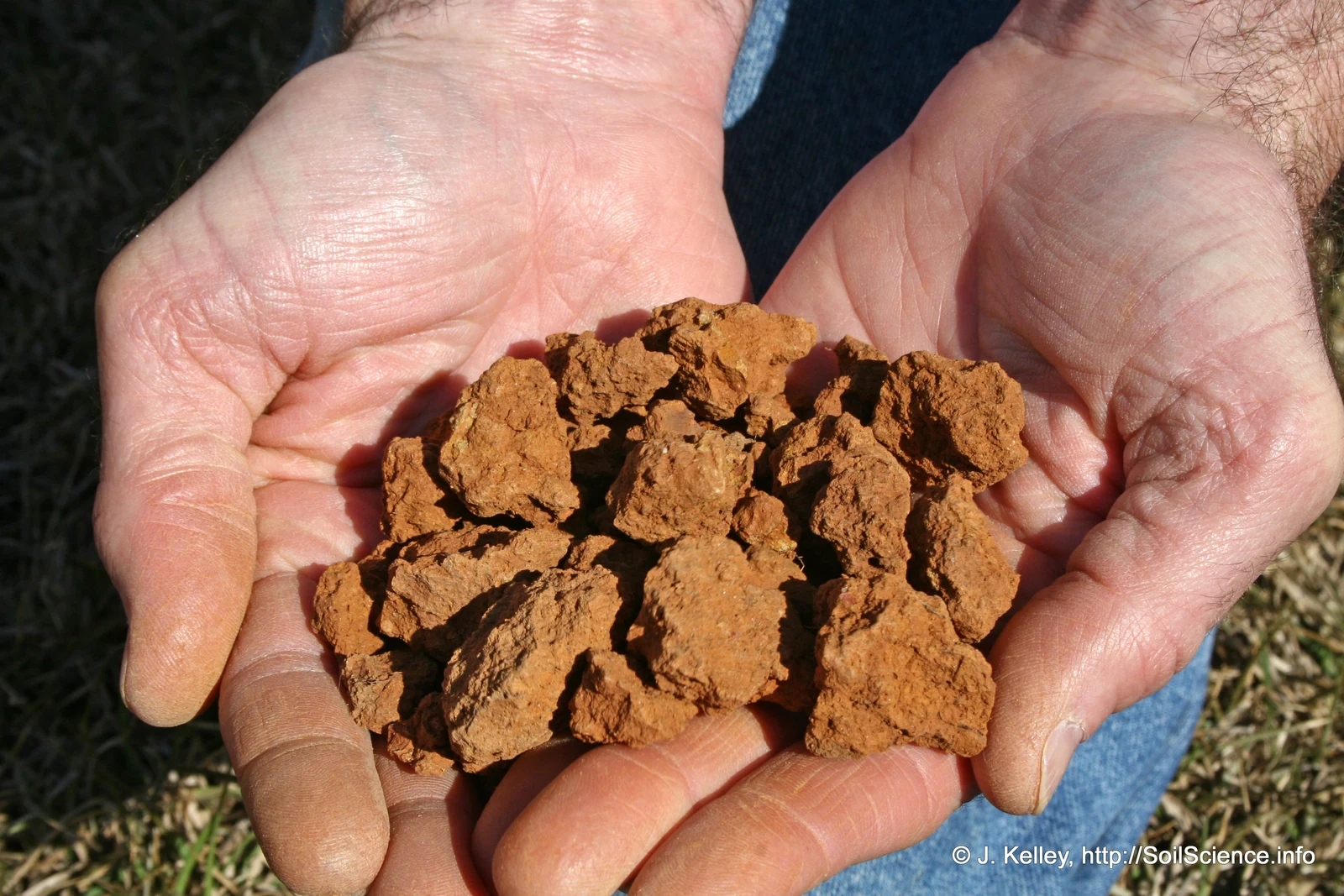

Connect cover, soil, and water observations
Describe where bare ground, litter, living cover, ponding, or visible erosion occurs. State whether the observation concerns a small point, a walked route, or a broader area. A striking patch near a gate should not become a description of the whole field without further observation.
Add relevant soil entries from the same place. The soil observation notes guide explains how to preserve sampling position, moisture conditions, visible structure, and amendment dates. These details make later comparisons more useful than a general “soil improving” label.
Record water access and water-related changes as events. A moved trough, a leak, or a persistently wet approach may coincide with different animal distribution. Document the sequence without assuming that the coincidence proves a cause.
When an observation suggests a consequential drainage, fertility, or grazing decision, use appropriate local expertise and a suitable assessment method. The journal can organize your question and evidence; it should not turn limited field observations into a universal prescription.
Keep animal observations attached to the movement history
Record the group’s location and any meaningful exception noticed during visits. If an individual requires a separate record, connect its identifier to the group and place. The livestock field notes guide explains how to keep those observations factual and useful for follow-up.
Distinguish an animal-care decision from a land-management interpretation. You may move animals for a care need, a water problem, or a practical constraint. Those reasons matter to the land history, but they should not be rewritten later as if every move followed an ideal grazing plan.
Preserve interruptions. A broken gate, delayed water repair, or changed group can alter the sequence. Recording them makes your review more honest and often reveals where the system needs practical attention before you change the grazing approach itself.
A journal that records constraints can be more useful than one that records only intended management. It shows what the land actually experienced and what you were able to do under the conditions of that season.
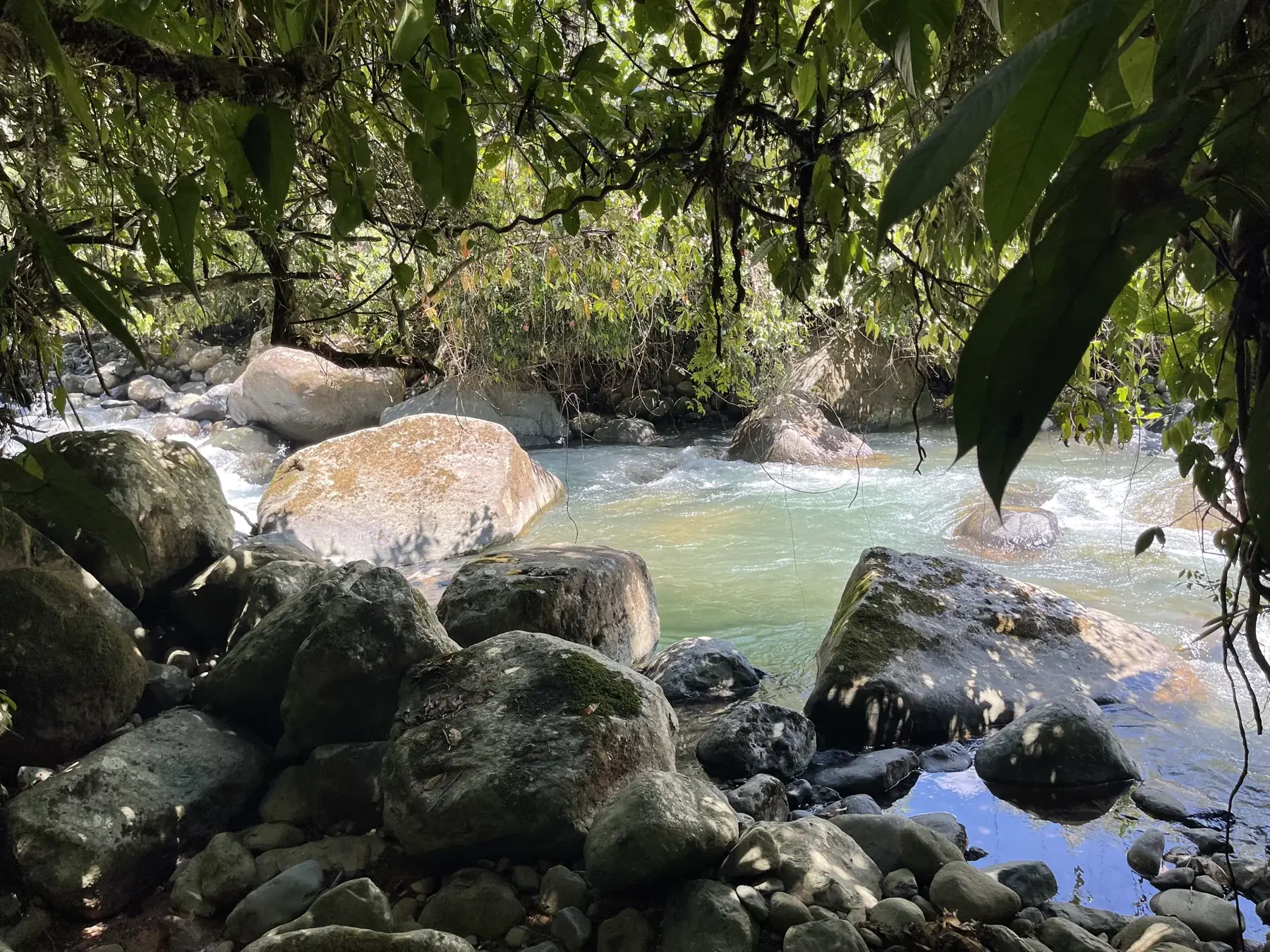
Compare seasons without claiming a controlled experiment
Read a place’s entries in order: starting condition, animal presence, management action, intervening weather, and later observation. Look for repeated patterns and for missing information. A single encouraging photograph may generate a question; several comparable observations can provide a stronger basis for discussion.
Separate three statements in your review: what changed visibly, what you think may explain it, and what evidence would help distinguish that explanation from others. You might see better cover after a longer interval, while also noting that rainfall and season differed.
Keep uncertain conclusions explicit. “Cover appeared greater at Point 2; cause unresolved” is a useful outcome. It can guide the next observation. Claiming that a particular interval restored the soil would require evidence beyond the journal sequence described here.
The seasonal review method helps convert these observations into a small set of next actions. Choose one comparison you can repeat well, rather than promising to measure every aspect of the property at once.
Start with one paddock, actual movement dates, and a recognizable photo point. Keep the record in any tool that suits your work; explore the current Soil Journal experience at soiljournal.com.