Livestock field notes preserve what you noticed about an animal or group, where they were, and what happened next. They can record a change in usual behavior, a water check, a move between enclosures, or information shared with a veterinarian. Their purpose is to make an observation understandable later, especially when its timing and context matter.
You do not need a detailed narrative about every animal at every visit. Establish a recognizable baseline, record meaningful exceptions, and keep follow-up visible. Write what you actually observed, including the limits of the check. A useful livestock observation log supports care without pretending that a note or photograph is a diagnosis.
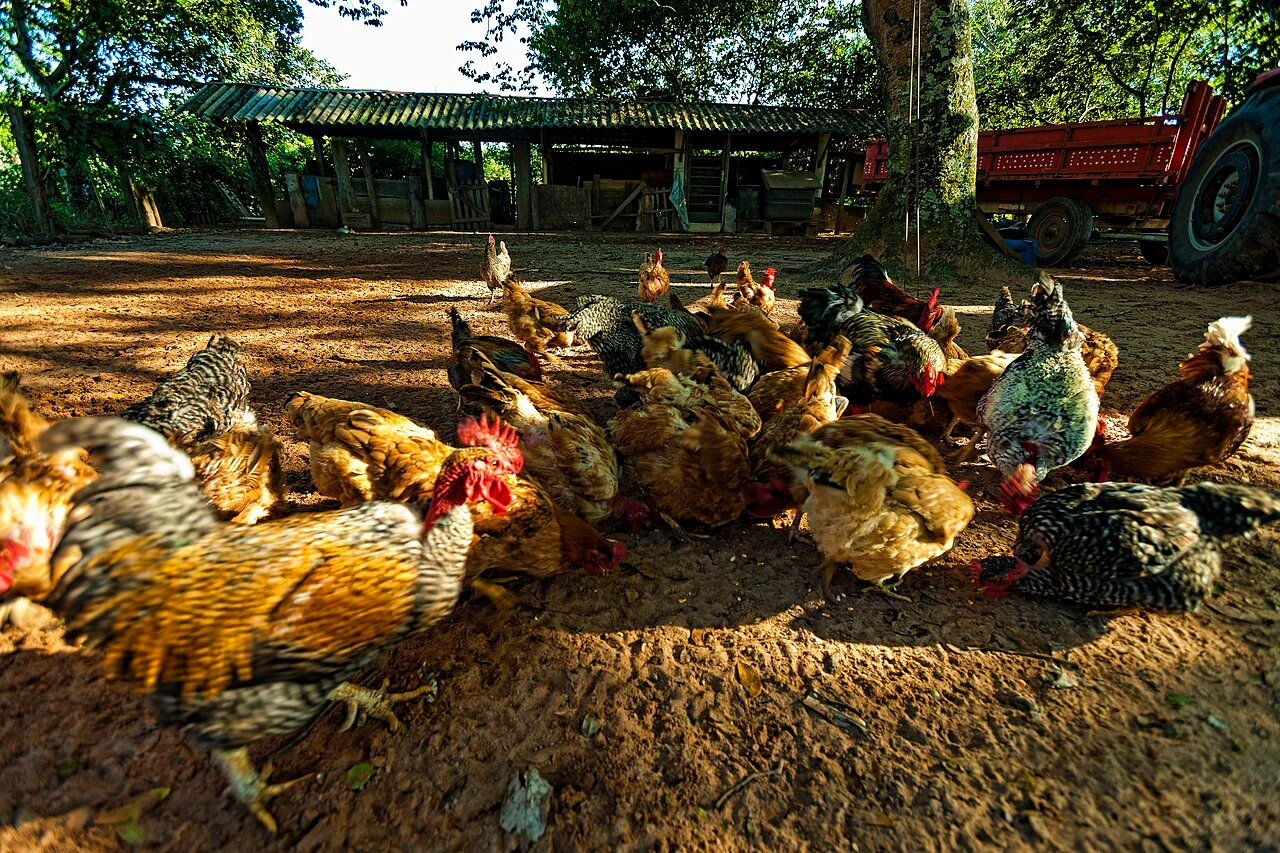

What should you notice during a livestock walk?
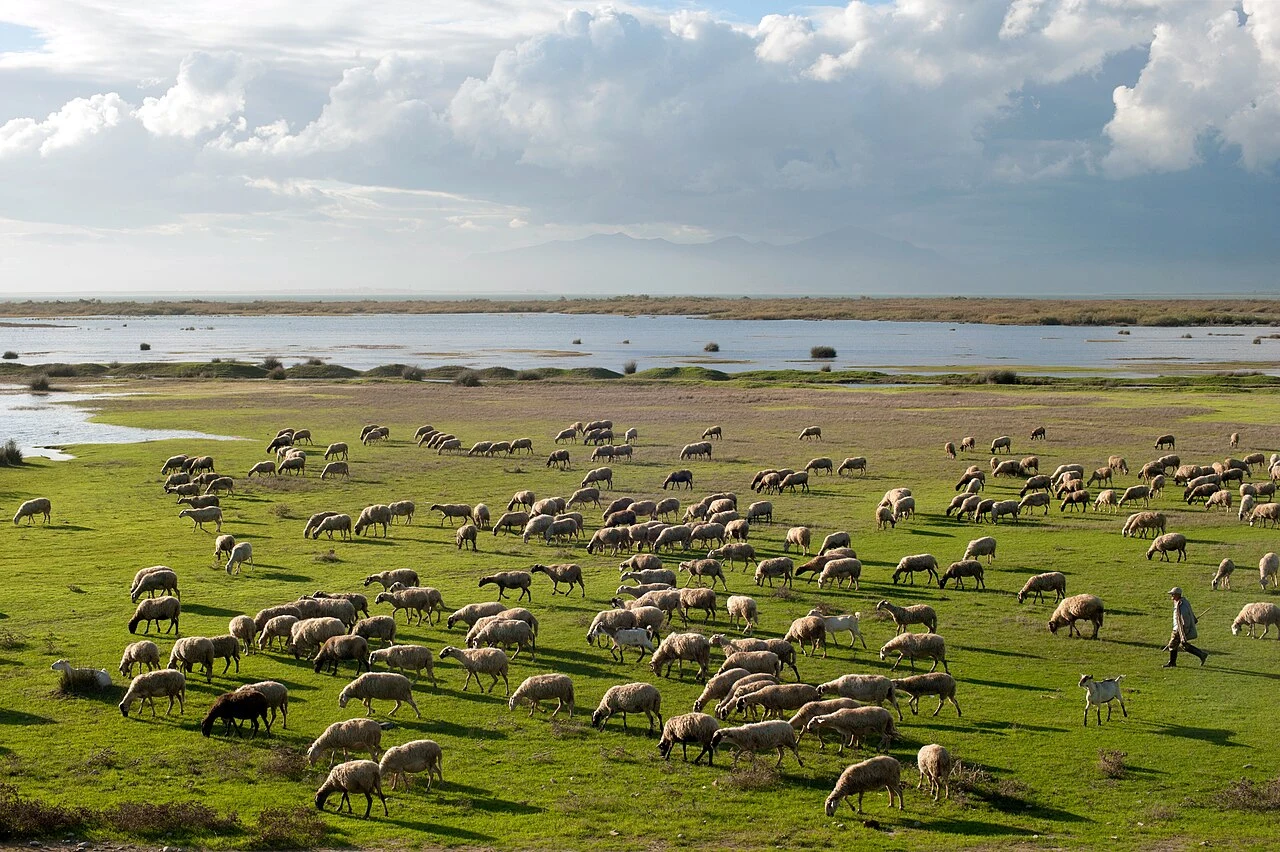
Look at the group before focusing on individuals. Record the context of the visit: place, time, feeding or other activity underway, and anything unusual about the surroundings. A flock gathering at feed time looks different from the same flock resting later in the day.
Describe visible behavior in plain language. Did an animal approach with the group? Was it standing apart? Did you observe it eating or drinking during the visit? Was there a noticeable change in movement? Avoid turning a brief observation into an unsupported conclusion about the entire day.
“Did not approach during the observed feeding” is more precise than “has stopped eating.” The second statement may require evidence you do not have. Similarly, “water present in drinker at 08:00” records that check; it does not establish that every animal drank enough or that water remained available afterward.
When you suspect illness, contact an appropriate veterinarian rather than relying on a journal to interpret it. University of Minnesota Extension advises veterinary consultation for suspected disease in a flock and urgent contact for sudden high mortality or multiple birds with concerning signs. Follow the relevant local veterinary and reporting guidance for your location. UMN Extension: Poultry Health.
Decide when to record the group and when to identify an individual
Use a group entry for observations that genuinely describe the group: location, a move, a shared water-system issue, or the number present during a count. Record how the count was made if uncertainty matters. “All visible animals counted” differs from a confirmed total when some may be inside shelter.
Use an individual entry when a specific animal needs attention or a separate history. Include a reliable identifier, such as an established tag or your existing identification system. A color description alone may be ambiguous when several animals look similar.
Connect the individual to its group and place at the time of observation. Animals move; the history should follow the animal while preserving where each event occurred. The place memory guide explains how stable location names keep those relationships understandable.
If identification is uncertain, state that and improve it appropriately. Do not attach a concerning observation to a guessed animal identity simply to complete a field. Uncertainty about which animal was seen can be crucial information for the person following up.
Use a record with enough context to hand over
A practical entry has six parts. You can keep them in prose or use a compact table when a particular case needs closer attention.
| Field | What to capture |
|---|---|
| Time and place | When the observation happened and the enclosure or paddock |
| Animal or group | Established identifier, group name, and count if relevant |
| Observation | Visible behavior or condition, with its extent and limits |
| Context | Feeding, recent move, weather, or other relevant change |
| Action | What was done, by whom, or whose advice was obtained |
| Follow-up | Next agreed check or instruction, with its timing |
Keep measured values separate from impressions. If a value was measured, record the method, unit, and person taking it where relevant. Do not add medical measurements merely because a table has an empty cell. Only collect information you can obtain safely and appropriately.
Demo · 9 October, 07:40 · Chicken Coop · Hen with established ID H-07 remained near the doorway while the visible group approached feed. No food intake observed during this brief visit. Prior observation last evening recorded with the group. Veterinary advice requested; time and instructions to be added to this record. No diagnosis assigned.
This fictional entry preserves the difference between what happened during one visit and what may have happened between visits. It also makes the next communication visible without suggesting that observation should delay care.
Keep animal health notes factual and attributable
Record advice with its source, date, and the animal or group it concerns. If the veterinarian provides written instructions, preserve the original and reference it from the journal. If you transcribe an instruction, check it against the source rather than relying on memory.
Keep treatment records in the form required for your animals, products, and location. A general observation journal is not a substitute for the necessary veterinary or treatment documentation. Do not use an informal note to improvise doses, intervals, or withdrawal information.
If the understanding changes, add the update. An initial symptom description, a later professional assessment, and the eventual outcome are separate events. Preserving the sequence helps explain why actions were taken before the final interpretation was available.
When another person reports an observation, identify it as reported. “Reported by the person doing the evening check” differs from your own direct observation. This is useful even on a small homestead where records are kept mainly by one person.

Photograph context without interfering with care
A wider view can show location and posture; a closer view may record a visible feature. Take only photographs you can obtain safely, without stressing the animal or delaying necessary help. The relevant professional may ask for particular views, but follow their guidance rather than assuming more images are always better.
Write a caption identifying the subject, time, and what the image shows. A photograph of an animal standing apart does not explain why it is there. Keep interpretations out of the caption unless they are clearly attributed and supported.
Preserve the original file when you send a copy. Check the actual sending options if detail matters, because transfer services handle images differently. Make sure the filed image belongs to the correct animal and event, particularly when several similar animals were photographed.
The homestead photo journal guide explains overview, subject, and detail photographs. For animal records, the priority remains appropriate care and a clear account of what was observed.
Record place changes alongside animal observations
When animals move, record the departure place, arrival place, date, and group or individual involved. Include the reason if it will help later interpretation. A movement history can make an otherwise confusing observation easier to understand.
For example, a change in the group’s distribution may coincide with a new water location or shelter arrangement. Record those changes as context without assigning causation. The animal note and the place note should be linked so you can inspect both histories.
Keep the destination’s condition in its own record. A water-supply issue at one enclosure may matter for several groups over time, while an individual animal’s observation history follows that animal. Copying all details into every record can create conflicting versions of the same event.
The regenerative farm journal article connects movements with pasture observations and rest intervals. It focuses on recording the land and animal sequence, without prescribing a universal grazing schedule.
Close the follow-up with an observation, not just a checkbox
Write the outcome of the agreed check. If the purpose was to observe whether H-07 approached feed, say what happened during the follow-up visit. “Checked” alone does not answer the original question.
Keep improvement, persistence, and uncertainty distinct. “Observed approaching with the group” is a useful result. It should not automatically become “fully recovered” unless the evidence and appropriate professional advice support that conclusion.
If instructions change, preserve the new source and timing. If a planned check could not be completed, state that and keep the next action visible. A missed observation is a gap in the record, not evidence that the concern disappeared.
Use the notes-to-tasks method to connect observations with commitments. Keep time-sensitive care and professional instructions clear enough to act on without digging through unrelated entries.
Learn the baseline without inventing a perfect history
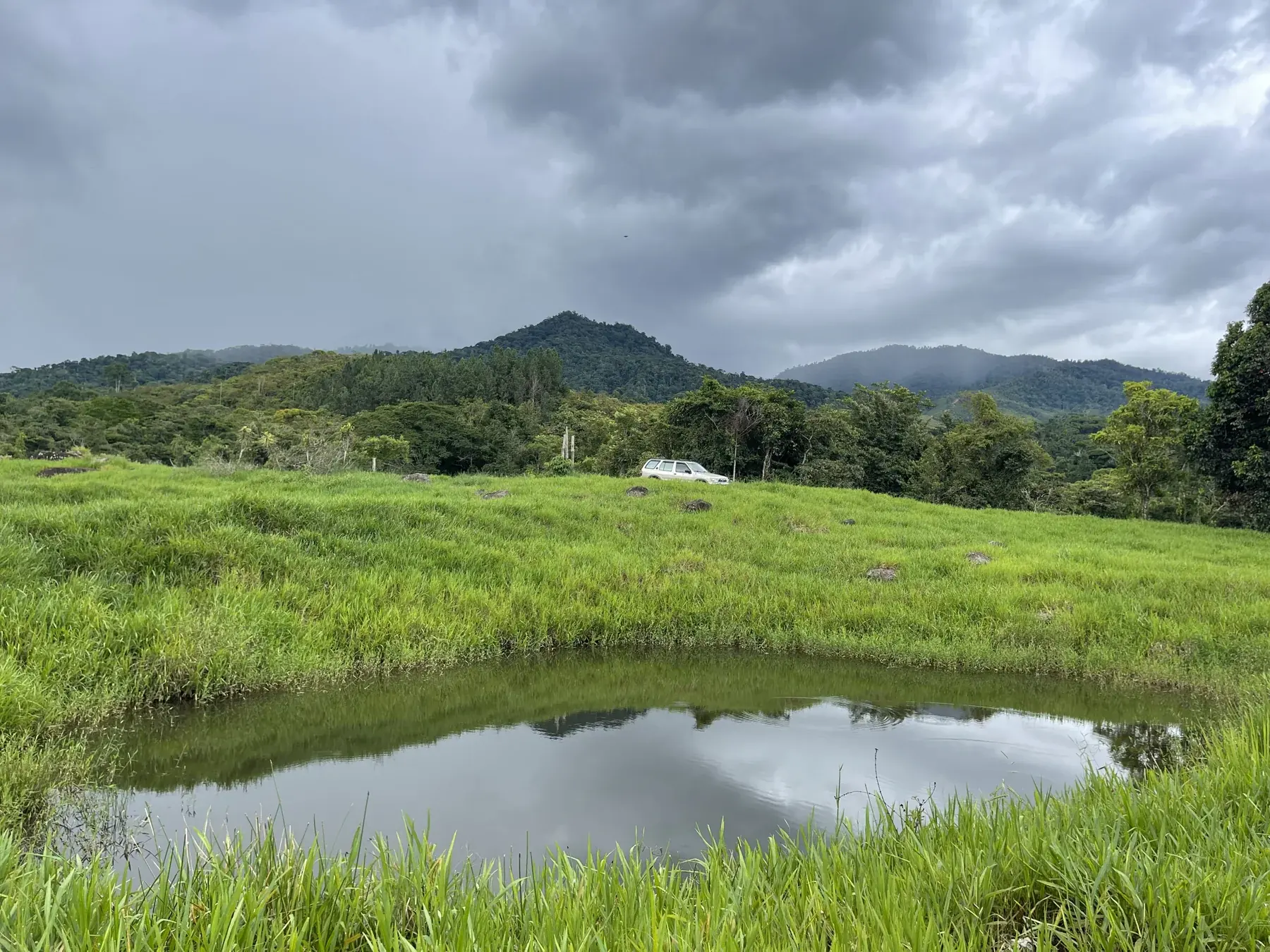
Occasional routine notes can help establish what “usual” looks like for your animals under ordinary conditions. Record the context of those visits too. A baseline based only on photographs taken at feeding time may not represent behavior across the day.
Keep gaps visible. If checks occurred but were not documented during a busy period, say that. If checks themselves were incomplete, record that separately. An empty timeline should not be interpreted as proof of normality.
During review, look for repeated observations, changes of place, and unresolved instructions. Use the record to prepare a clearer conversation with a veterinarian or adviser. Avoid diagnosing patterns solely from a few entries that may differ in timing or completeness.
Begin with one clear group name, reliable individual identifiers where needed, and a short observation format. The value of livestock field notes lies in the accuracy of what they preserve, not in the number of boxes you fill.
Keep the record in a format that fits your care routine. To explore Soil Journal’s current experience, visit soiljournal.com.