A plant observation journal records a planting’s real history: what went into the ground, when and where it was planted, how it developed, what changed, and what you learned by the end. It gives you something more reliable than a memory that one variety “did well” or that a problem appeared “around the wet season.”
Begin with a planting you can identify on your next walk. Record its name, variety if known, date, quantity with units, and place. Add observations when they change your understanding or create a follow-up. The journal’s job is to help you decide what to repeat, investigate, or change next time.
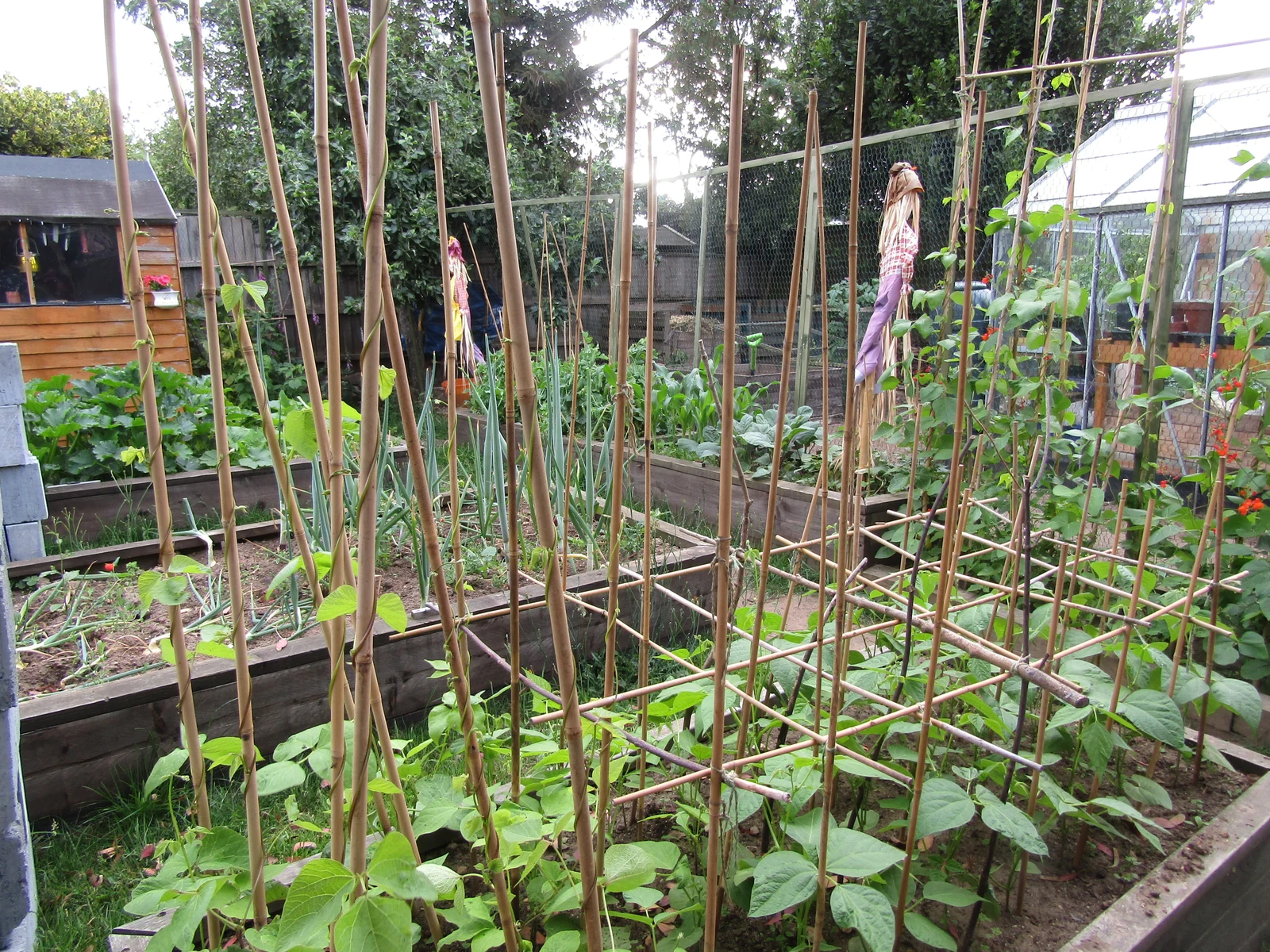

What belongs in a plant observation journal?
Keep the facts that describe the planting and the events that affect its interpretation. The starting record should distinguish seeds from transplants, planned dates from actual dates, and estimated quantities from counted ones. Save a seed packet or label photograph if it provides reliable identification.
During growth, use crop field notes to record meaningful stages and exceptions. Emergence, establishment, flowering, first harvest, visible damage, irrigation changes, and removal can all matter. You do not need a daily description if nothing relevant changes. A focused sequence is easier to use than a long run of “looks fine.”
Preserve the reason for actions. If you changed watering, moved a container, or removed a plant, write what prompted the decision. Later, that explanation helps distinguish a planned experiment from a response to an unexpected problem.
End with a result. What was actually harvested? What failed? Would you repeat the variety under similar conditions? A planting date without a closing note leaves the story incomplete. The closing note does not need to be positive to be useful.
Start with a planting record you can recognize
Use the name you would search for, then add the specific variety when known. “Tomato, variety unknown” is better than guessing from appearance. If you later find the packet or supplier record, add a dated identification update and its source.
Describe the place precisely enough to distinguish neighboring plantings. “Bed 2, upper half” may be enough, provided the bed name stays consistent. A container can have its own identifier if it moves. The plant’s history should remain connected when its location changes.
| Starting field | Useful example of detail |
|---|---|
| Plant and variety | Crop name; variety from packet or label, or explicitly unknown |
| Event | Direct sowing, transplanting, division, or another actual action |
| Date | Event date; separate entry date if recorded later |
| Quantity | Plants, seeds, trays, rows, or area, with the unit stated |
| Place | Stable bed, row, tree, or container identifier |
| Context | Relevant preparation, watering, weather, or condition |
The table describes fields, not required observations for every crop. Use what supports your decisions. A home-scale herb planting may need fewer quantities than a variety comparison, while a perennial planting benefits from a location that will still make sense years later.
Keep bed history notes alongside the crop’s story
A bed has a history before and after the current planting. Preserve previous crops, significant amendments, irrigation changes, and recurring conditions under the place. Link the current planting to that history instead of creating a fresh, context-free page every season.
Use stable names such as Bed 2 rather than naming every place after its current crop. If you already call a bed Tomato Bed, record what grew there when the name becomes misleading. The homestead place memory guide explains names and aliases that survive changing uses.
For soil changes, link the actual application or observation rather than copying a vague summary. “Compost applied” is more useful with its date, material, quantity, and covered area. The soil observation notes guide provides a way to preserve those details.
Do not assume the current crop explains everything you observe. A low area, an old traffic route, or a previous irrigation problem may matter. Keeping bed history alongside crop history helps you notice those possibilities without prematurely deciding which one caused the result.
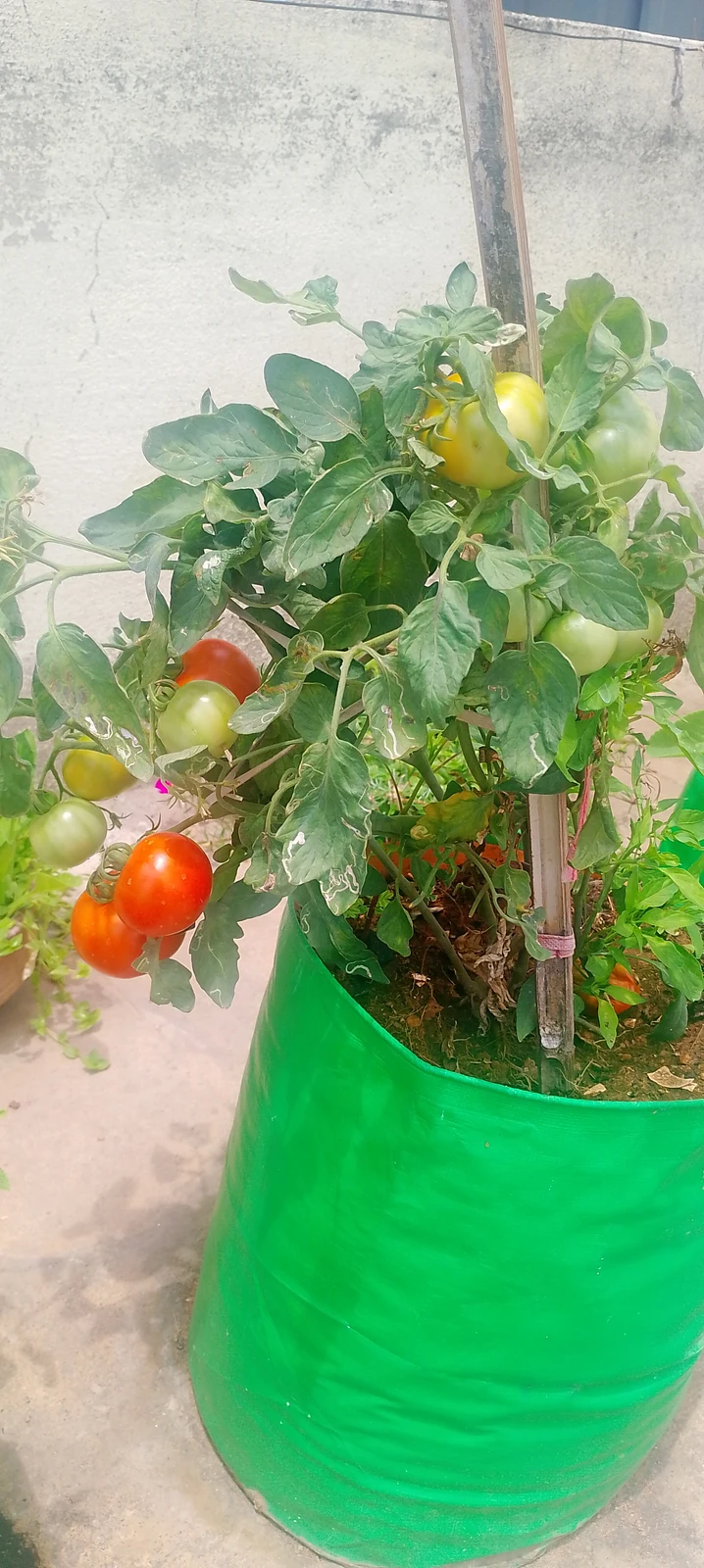

Describe plant problems before naming their cause
Record the pattern: which plants, which parts, how many if counted, and where in the bed. Describe visible color, shape, or damage in plain terms. “Pale marks on lower leaves of three plants near the path” is a better starting record than an unsupported disease name.
Include what you checked and what you did not. If you only examined the upper surface of leaves, do not imply that the underside was clear. If the observation was brief, describe it as brief. The next visit can improve the evidence rather than inherit an exaggerated baseline.
Take an overview, a subject view, and a clear detail if those can be obtained without harming the plant or obscuring the evidence. Keep the original files and record their relation to the note. The homestead photo journal guide explains how to make those images interpretable later.
Different causes can produce similar visible symptoms. University of Minnesota Extension’s plant diagnostic resources distinguish problems involving insects, diseases, and nonliving factors. Use a suitable local diagnostic resource or adviser when identification will guide treatment; do not assign a cause solely from a journal photograph. UMN Extension: What’s Wrong with My Plant?.
A worked example: follow one planting through uncertainty
Demo · 12 April: six tomato transplants placed in Bed 2, upper half; variety recorded from label. 20 April: five upright during morning visit, one smaller; no cause assigned. 3 May: pale marks visible on lower leaves of two plants after several wet days; full bed and leaf-detail photos saved. 4 May: advice requested with planting history and images. Later advice and actions to be recorded with their source.
This sequence leaves room for the explanation to change. It preserves the planting, the timing of visible differences, and the context of the request for advice. It does not make the weather the cause simply because the events occurred together.
When you act, add the exact action and its date. If the action follows professional or local extension advice, retain that source. At follow-up, describe what you observed rather than assuming that an intervention worked because you carried it out.
Keep the unsuccessful outcome if the planting fails. Record when it was removed, what evidence you had, and what remained uncertain. A failed planting with clear notes can save more future effort than a successful crop remembered only as “good year.”
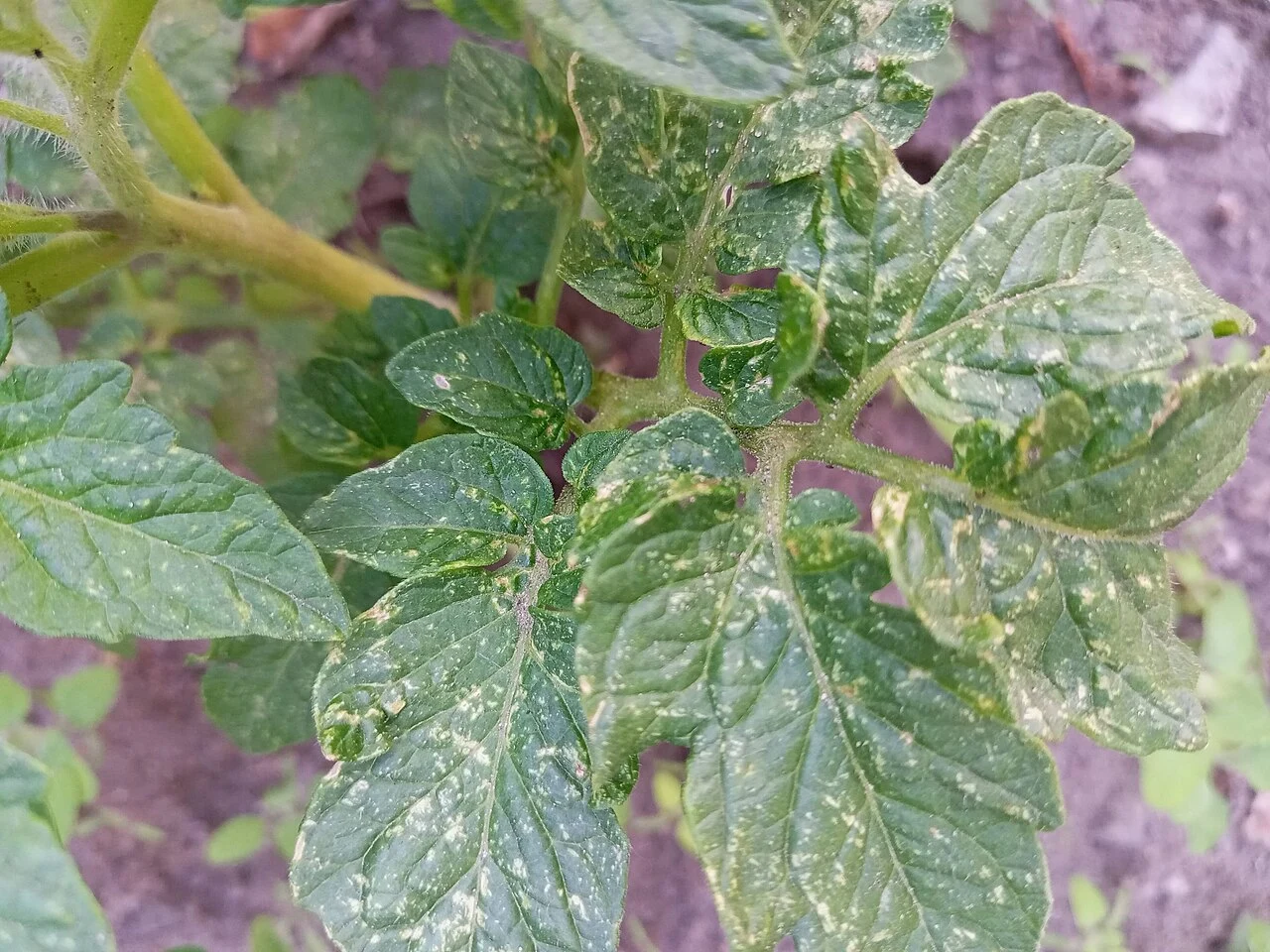

Keep a wet-weather observation useful in any climate
During humid or rainy periods, record the conditions that affect interpretation: recent rain or irrigation, visible leaf wetness, surface water, and which part of the planting was examined. Use measured weather data when you have it, but do not invent rainfall totals from memory.
Try to revisit the same plants and views. A photo of a lower leaf one week and a new upper leaf the next may not represent progression on the same tissue. Identify what changed in the sample as well as what changed in appearance.
Record management changes made between visits, including support, watering, pruning, or removal where relevant. If several things changed together, you may not be able to identify which influenced the result. Preserving the sequence still helps the next discussion or comparison.
Keep the geographical claim modest. The observation method applies broadly, but crop response and suitable management depend on local conditions. A tropical example does not become a universal rule for a cool-season garden, and the reverse is also true.
Record harvests at the level that changes your next choice
If you want to compare quantities, use a consistent unit and define what is included. Weight, count, and container volume answer different questions. “One basket” is not comparable with “three kilograms” unless you measured a relationship for that particular harvest and container.
Distinguish a complete harvest record from occasional samples. If you weighed only the first picking, label it as the first picking. Do not total scattered measurements and present them as the season’s yield. A harvest photo should also say whether it shows the full picking or a selected portion.
Qualitative notes can be useful when your decision is qualitative. Flavor, ease of picking, storage experience, and whether the household used the crop may matter more than a precise total. Describe the observation plainly and identify whose judgment it represents.
Cornell Small Farms recommends production records that inform future decisions, including weather and yield observations. At homestead scale, the useful choice is to record enough to answer your actual question, rather than collect quantities without a plan to use them. Cornell: Record Keeping.
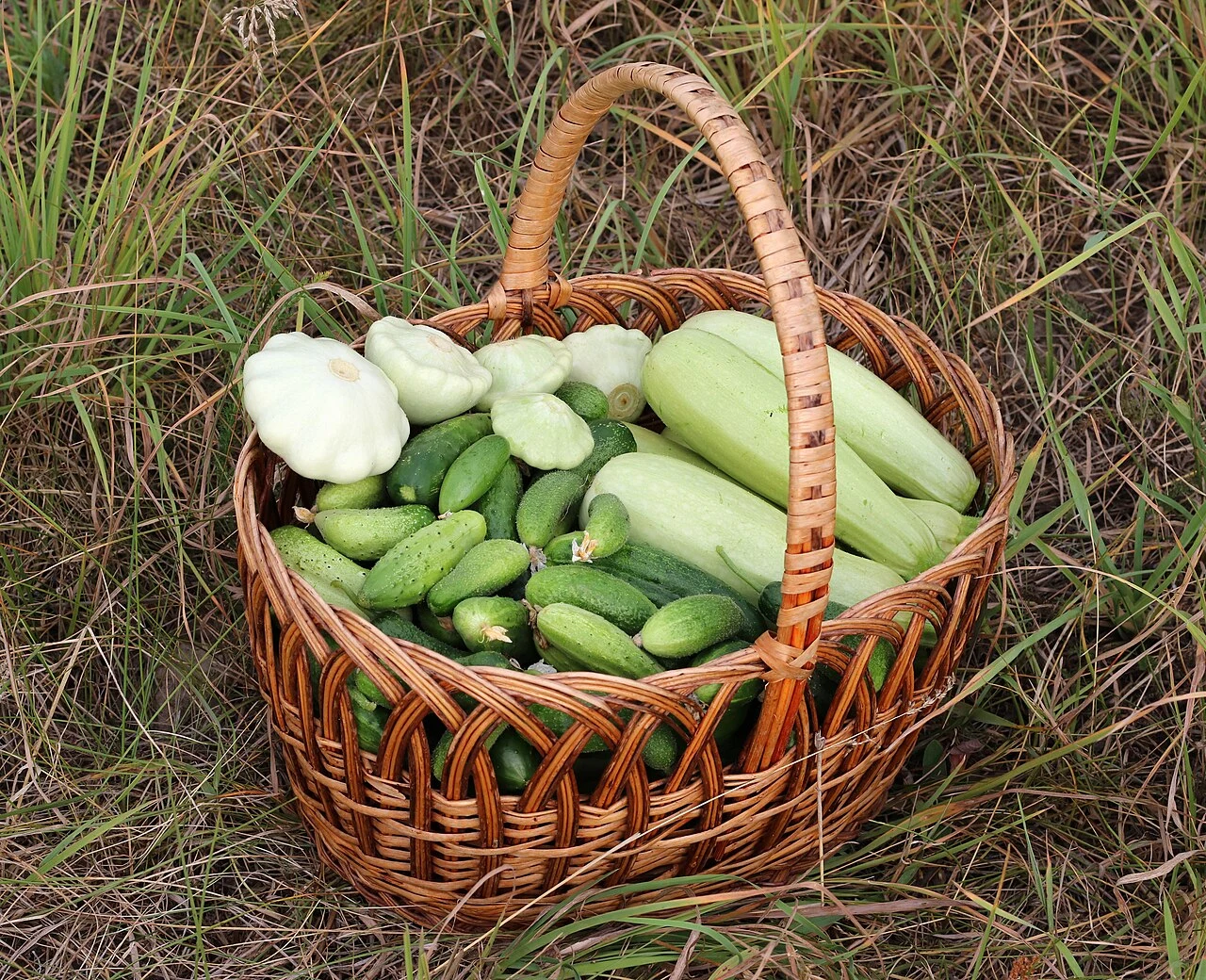


A journal and a garden planner do different jobs
A planner helps organize future planting and layout. A journal records what actually happened. You may use both, but keep the transition clear: a planned variety is not a planted variety until you record the event.
Before repeating a plan, consult the previous crop and bed history. Did planting happen later than intended? Was irrigation reliable? Did the crop meet the purpose you had in mind? The journal can improve the next plan without needing to become a layout tool itself.
When comparing varieties, note differences in planting dates, locations, plant numbers, and management. Informal comparisons are useful for generating questions, but they are not automatically controlled trials. Keep conclusions proportional to the evidence.
Do not rewrite the original plan to match the result. The difference between intention and reality can reveal where timing, resources, or assumptions need to change. Both records become more valuable when the distinction remains visible.
Close the planting with a decision you can revisit
At removal or season end, write a short closing note: outcome, useful evidence, uncertainty, and next choice. Link the photographs and observations that support it. “Repeat this variety in a better-drained position; wet-corner performance remains uncertain” is more actionable than “try again.”
Use the homestead seasonal review to compare completed plantings and select a small number of changes. Keep what worked, name the failures, and carry forward questions that have a realistic observation plan.
Start today by recording one actual planting and returning to it for one meaningful observation. Keep the journal wherever it fits your work; explore Soil Journal at soiljournal.com.